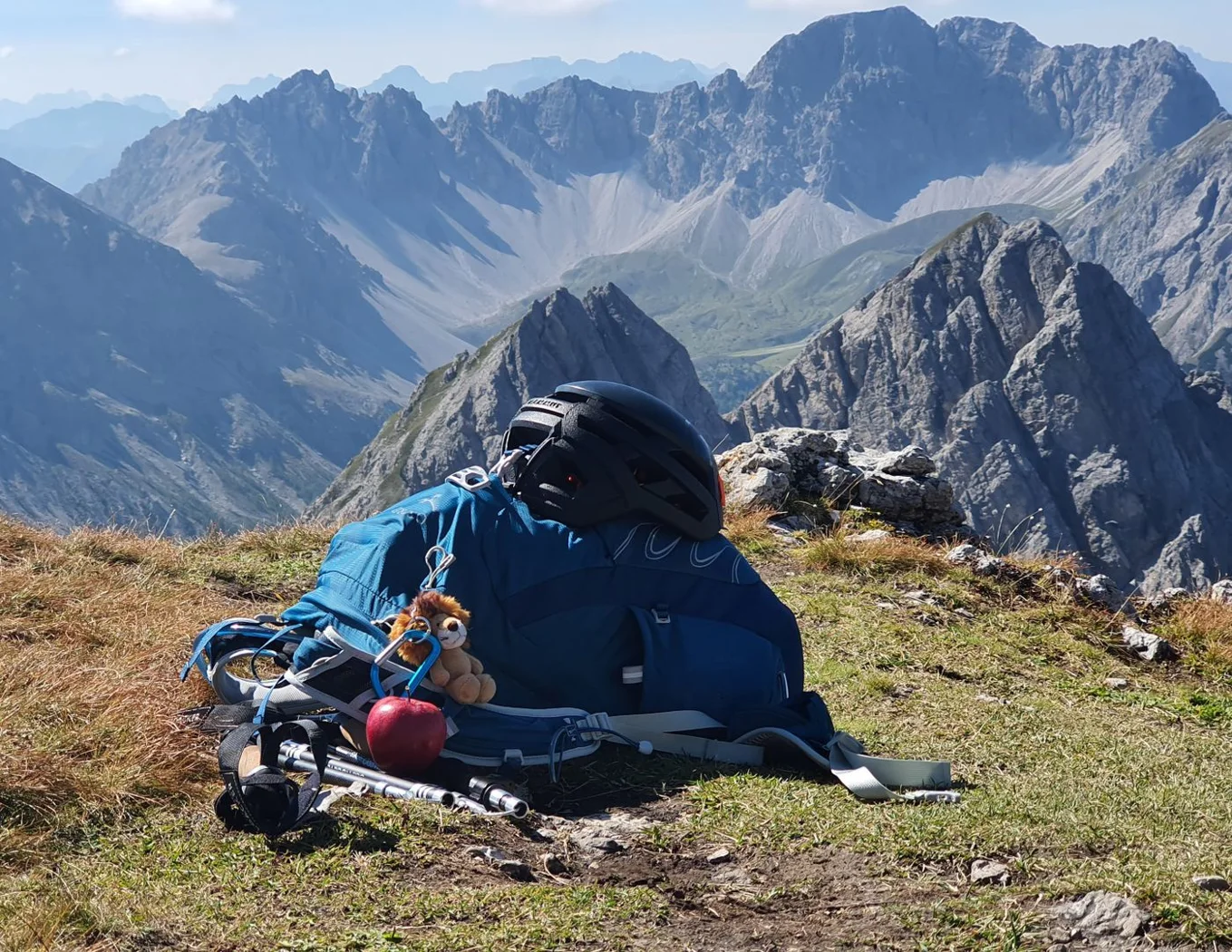
How much space does a daypack need?
A litre figure is only a starting point. Your clothing, food, and the shape of the main compartment determine how much space is useful.
SUBJECT / 03
Carrying systems, packing and equipment for the trail.
24 articlesA litre figure is only a starting point. Your clothing, food, and the shape of the main compartment determine how much space is useful.
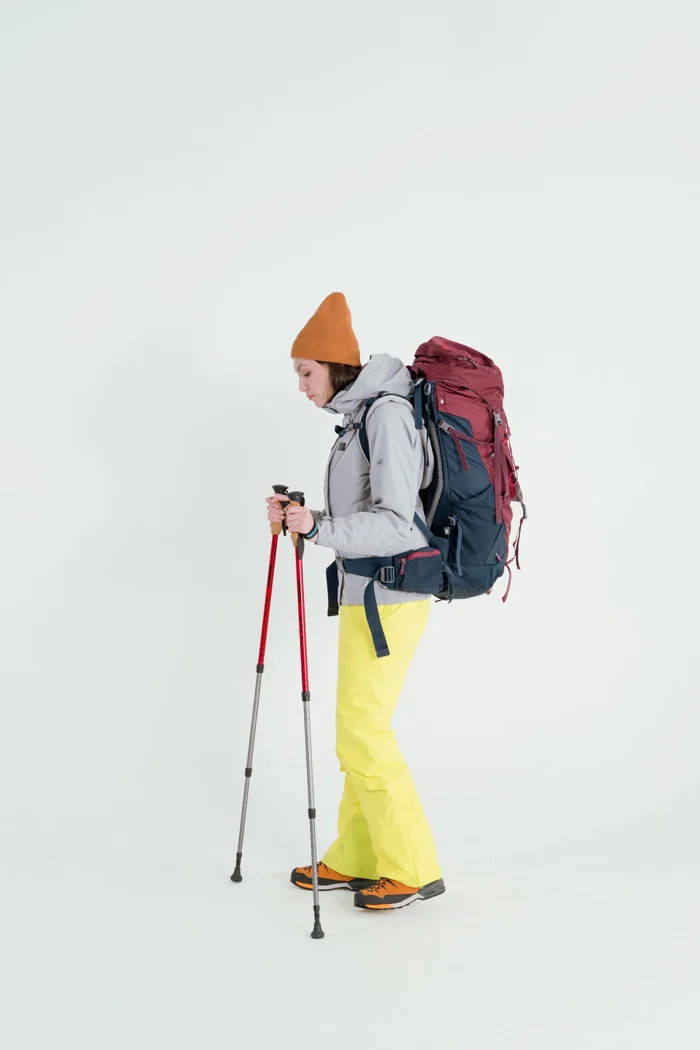
Neither your height nor the pack's volume establishes its back-length fit. Check the loaded model and the range its harness can actually accommodate.
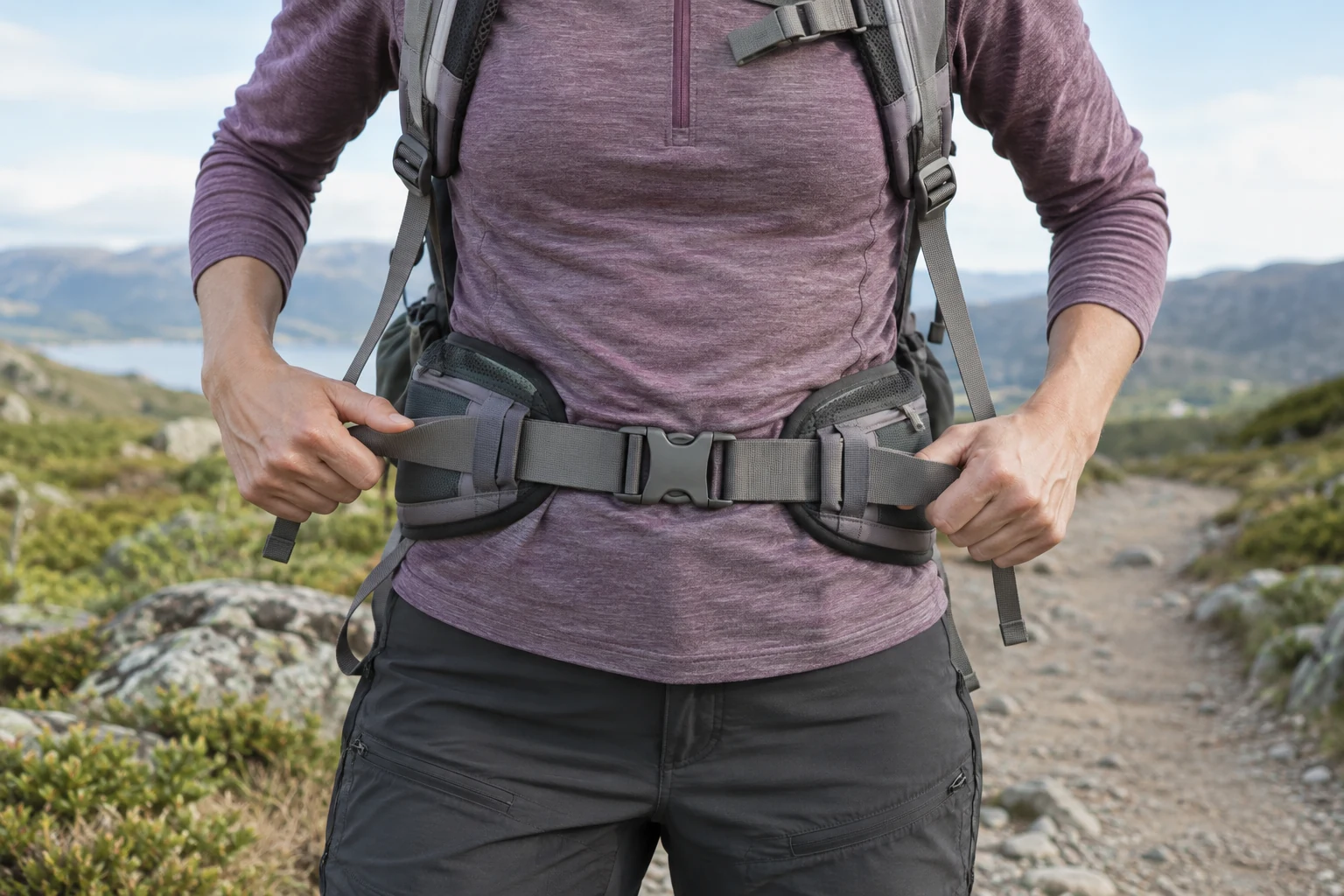
A hipbelt has different jobs on different daypacks. Adjust the actual suspension in a clear order and check what each strap changes.
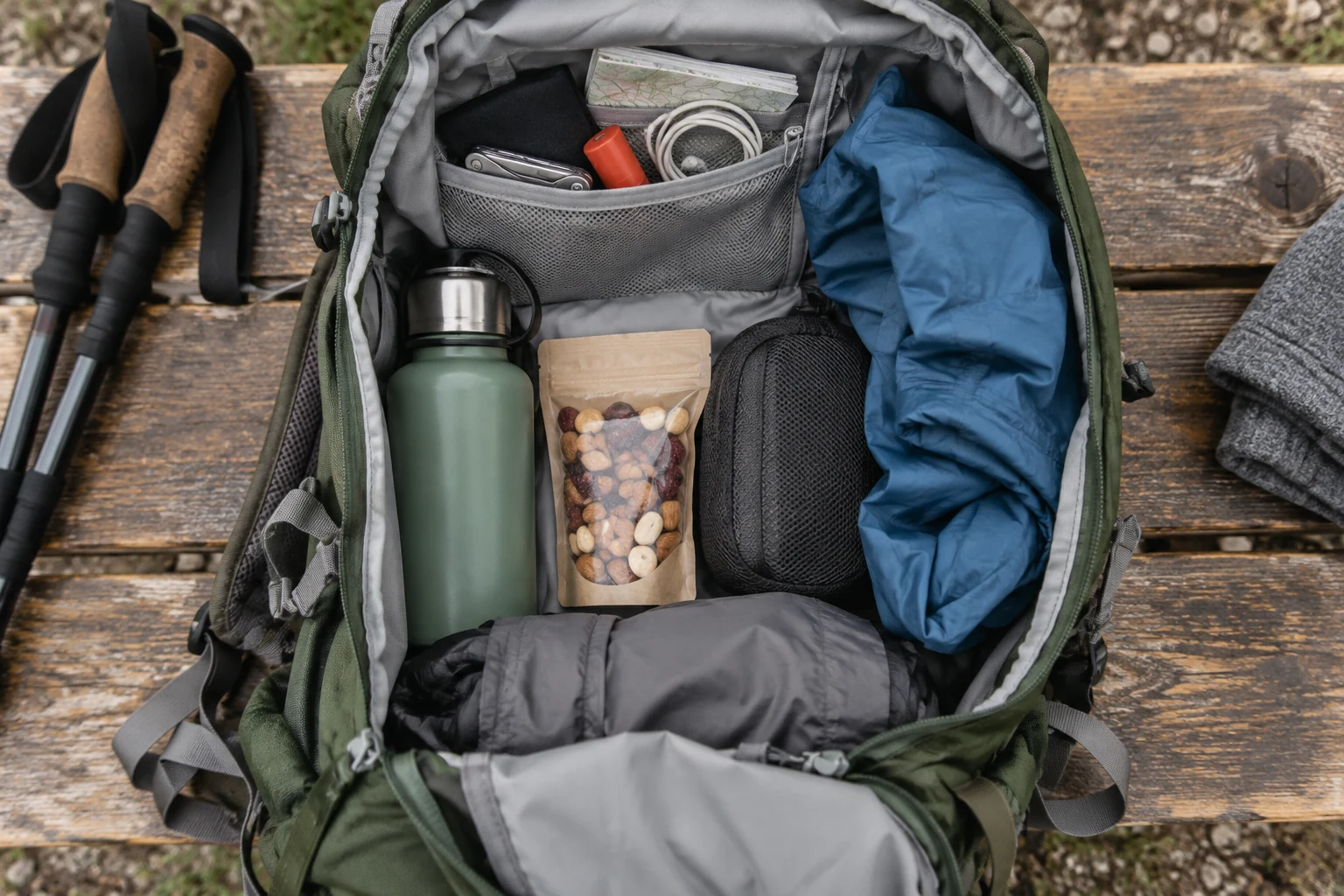
Weight placement and retrieval order work together. A deliberate arrangement makes a daypack easier to manage than simply filling the available space.
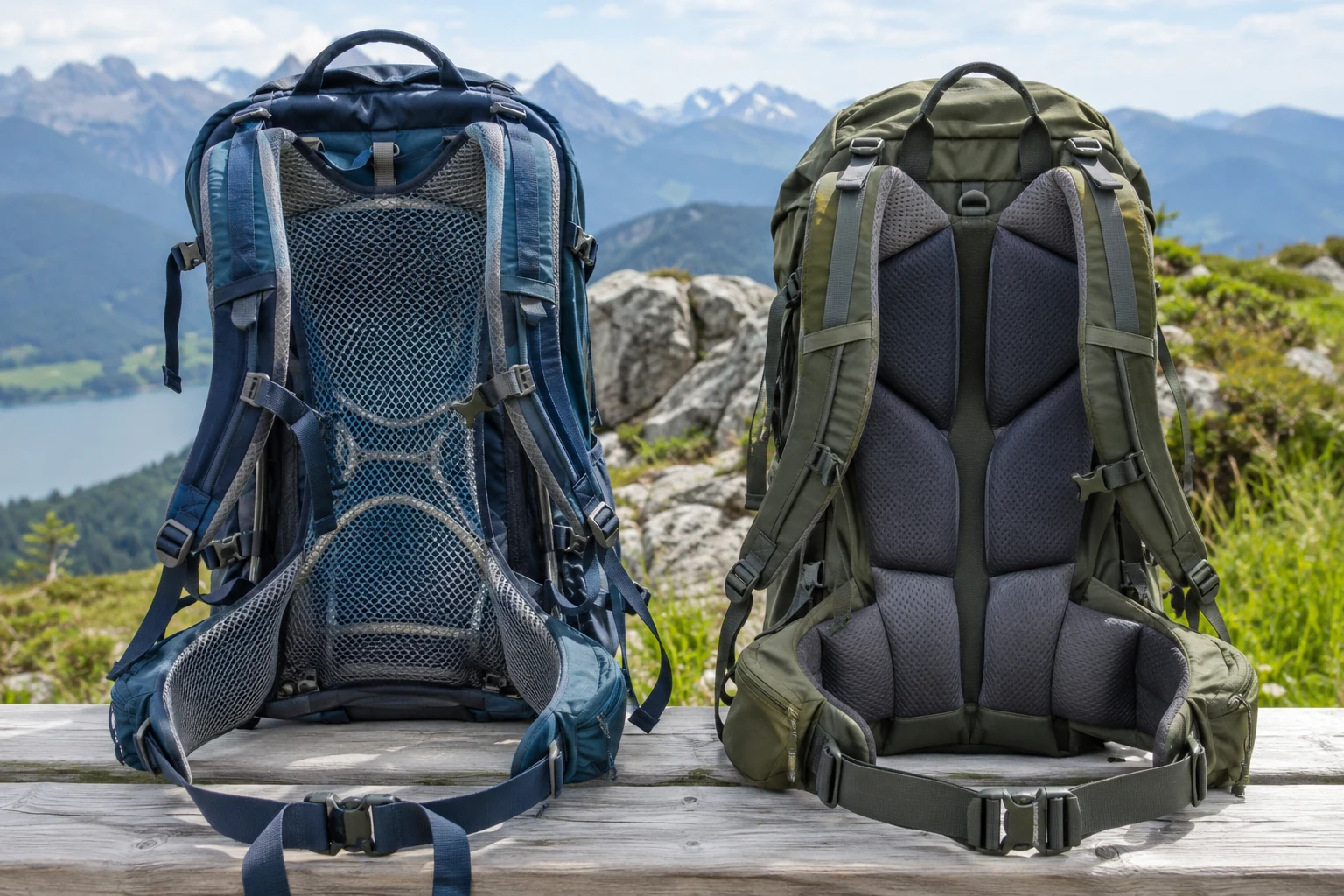
Mesh suspension and contact padding change the pack's shape and spacing. Compare both with your usual contents and clothing, rather than expecting one universal winner.
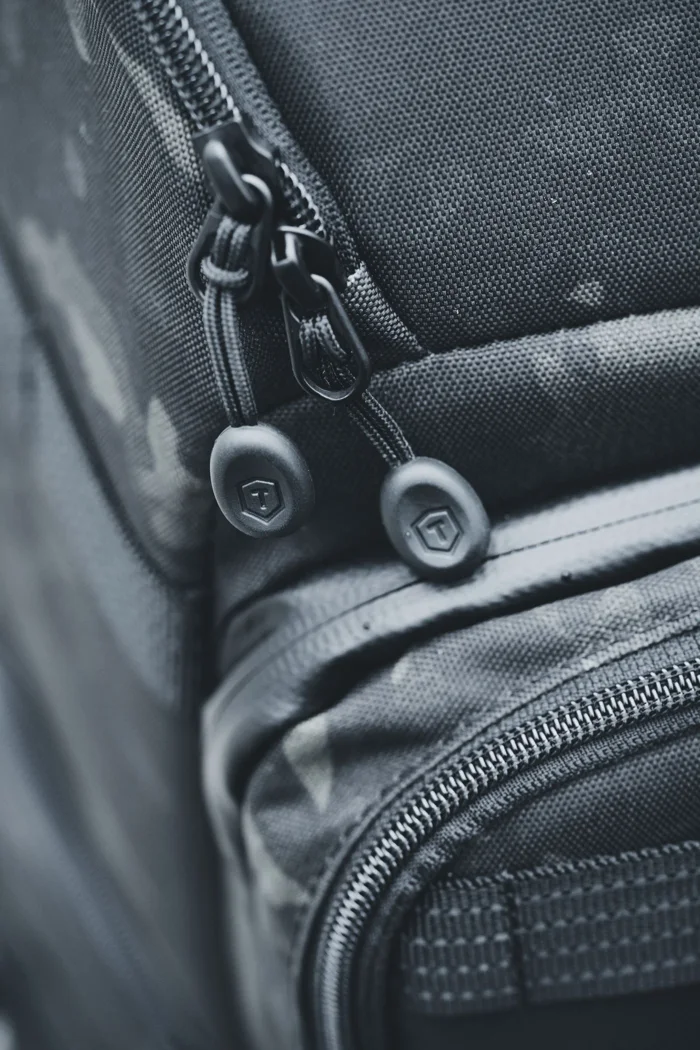
Pockets help when their shape and position match what you carry. Assess them with the pack loaded, rather than counting compartments.
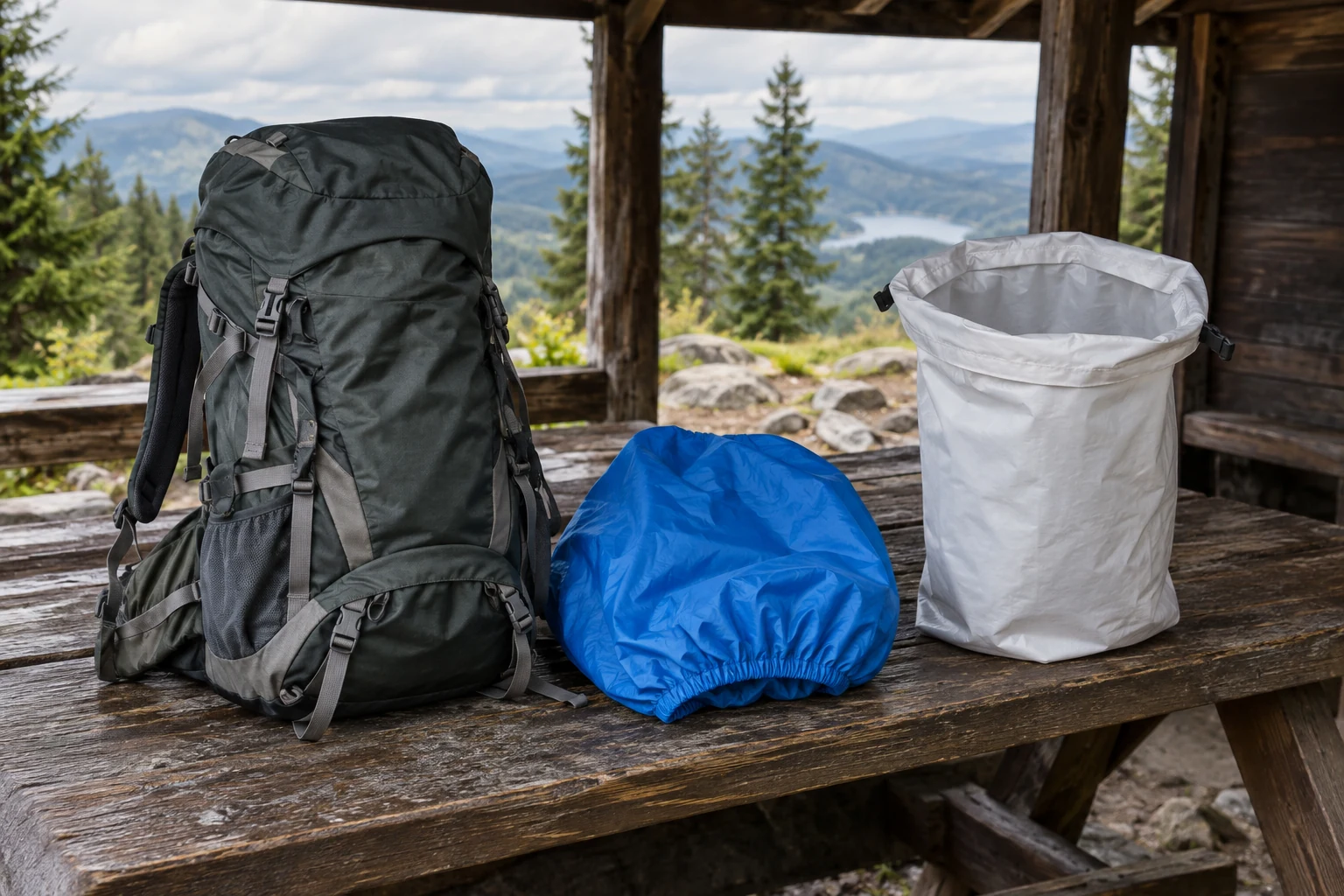
A rain cover protects the exterior while a liner works inside the pack. Both have limits, and their usefulness depends on what needs to stay dry.
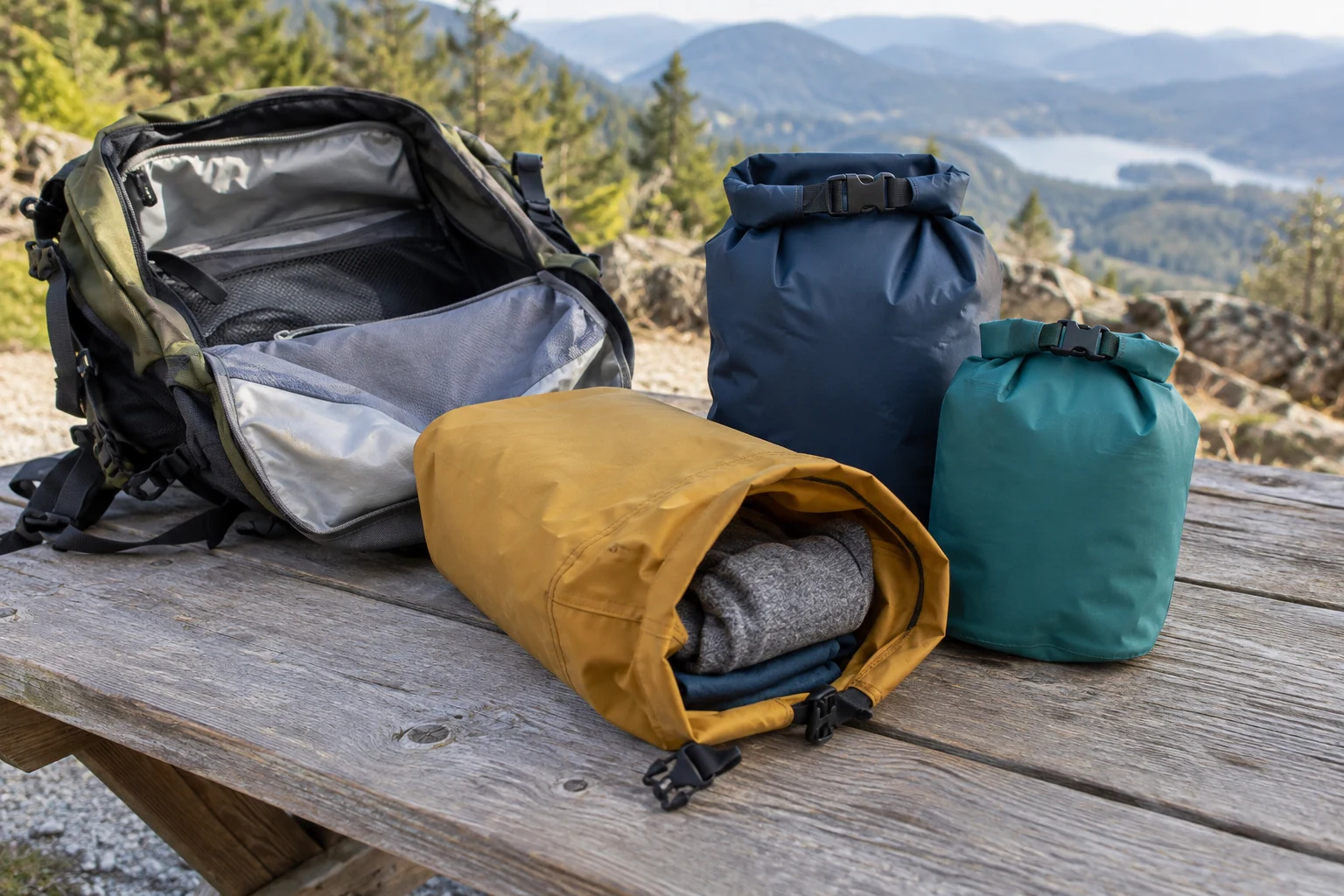
A few clearly assigned dry bags can organize clothing and small belongings. Their closures still need space and deliberate use.
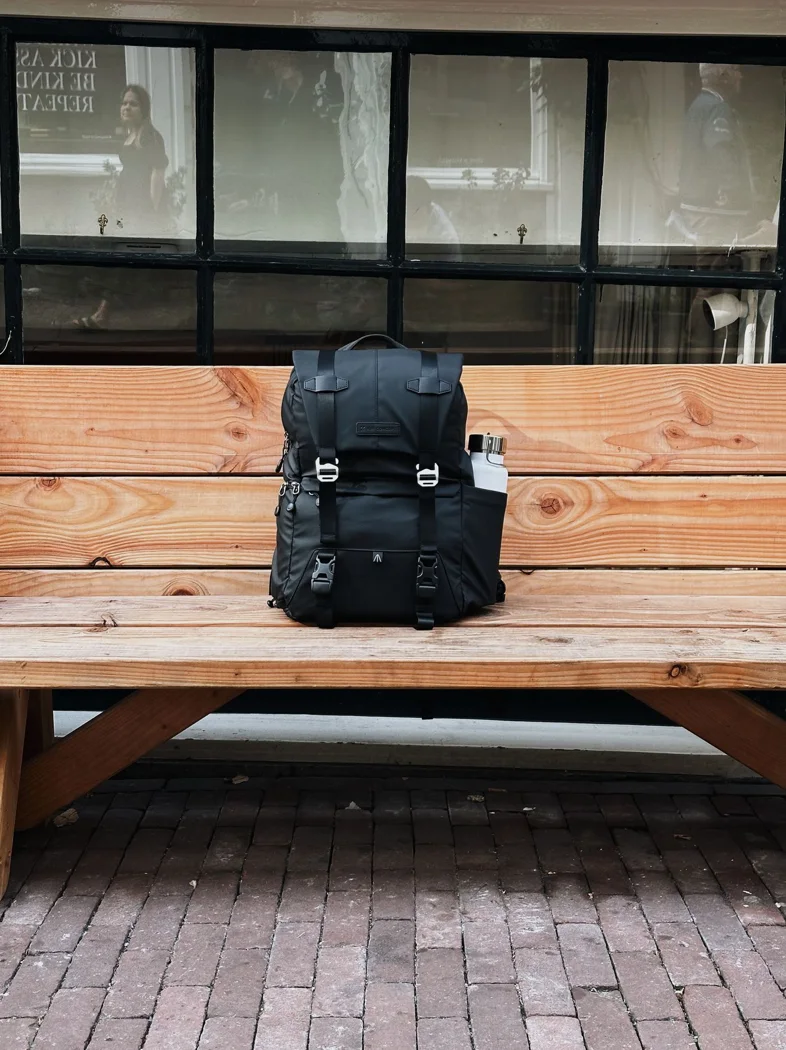
The opening changes access and usable space. It does not, by itself, establish whether a daypack is waterproof.
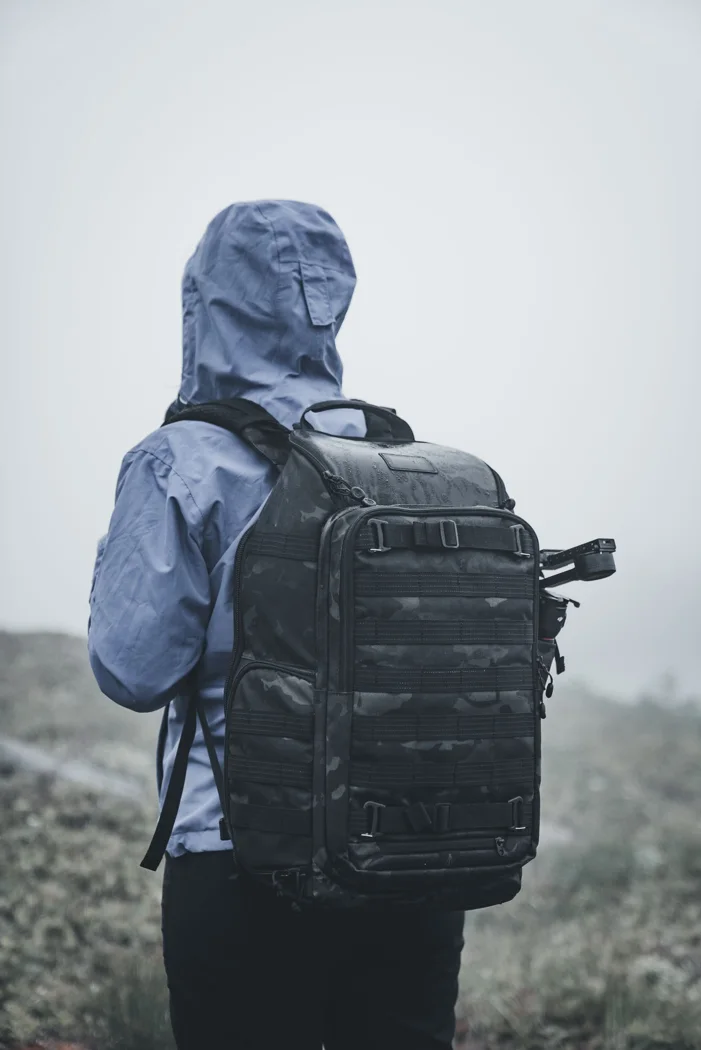
Fit depends on torso length, harness shape, and belt coverage. A size or gender label cannot replace a loaded fitting.

An everyday backpack can work for short hikes. Compare the features you genuinely use in both settings, including what remains empty.
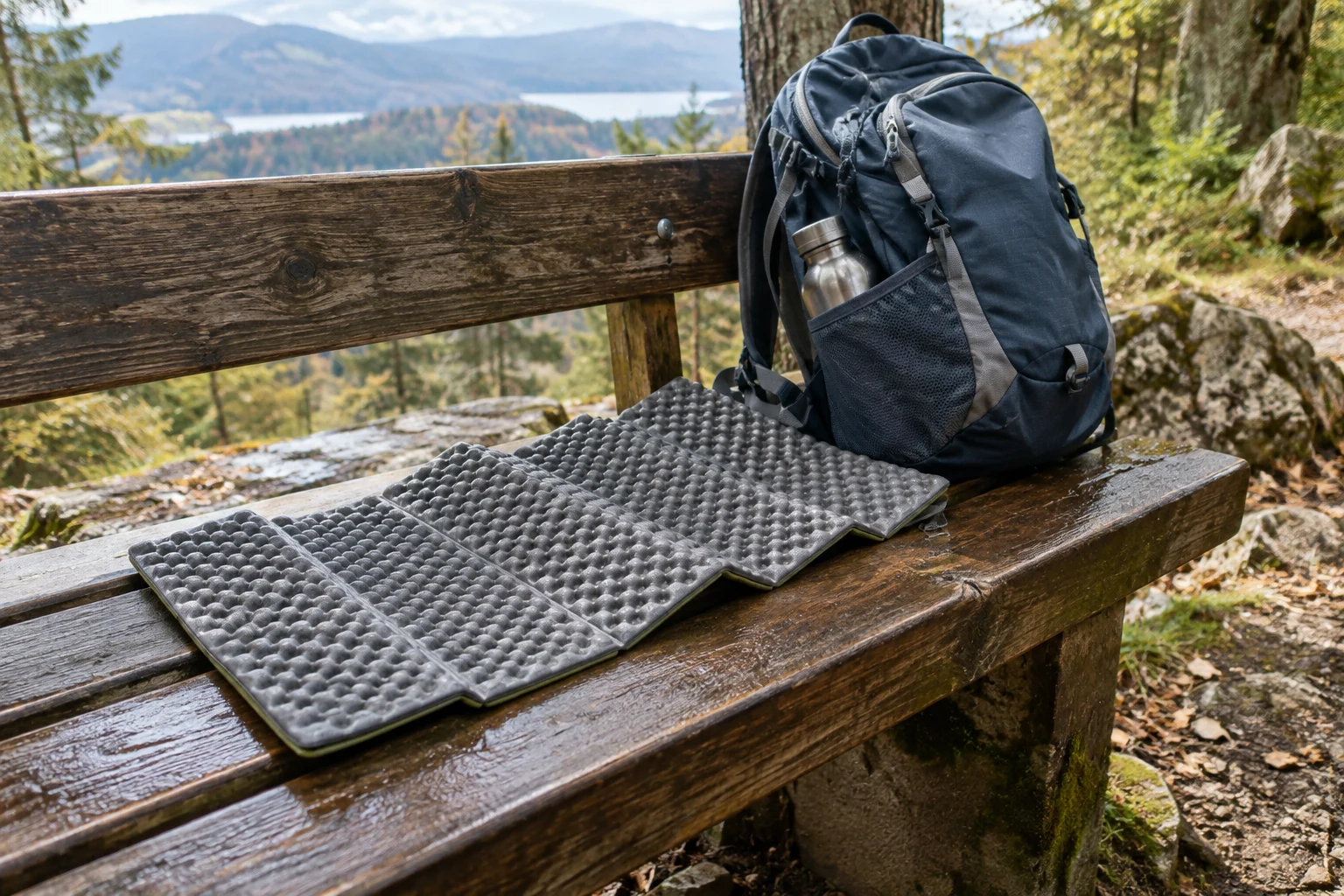
A sitting pad needs to suit your breaks without becoming awkward to carry. Compare its open surface and folded shape with your actual pack.
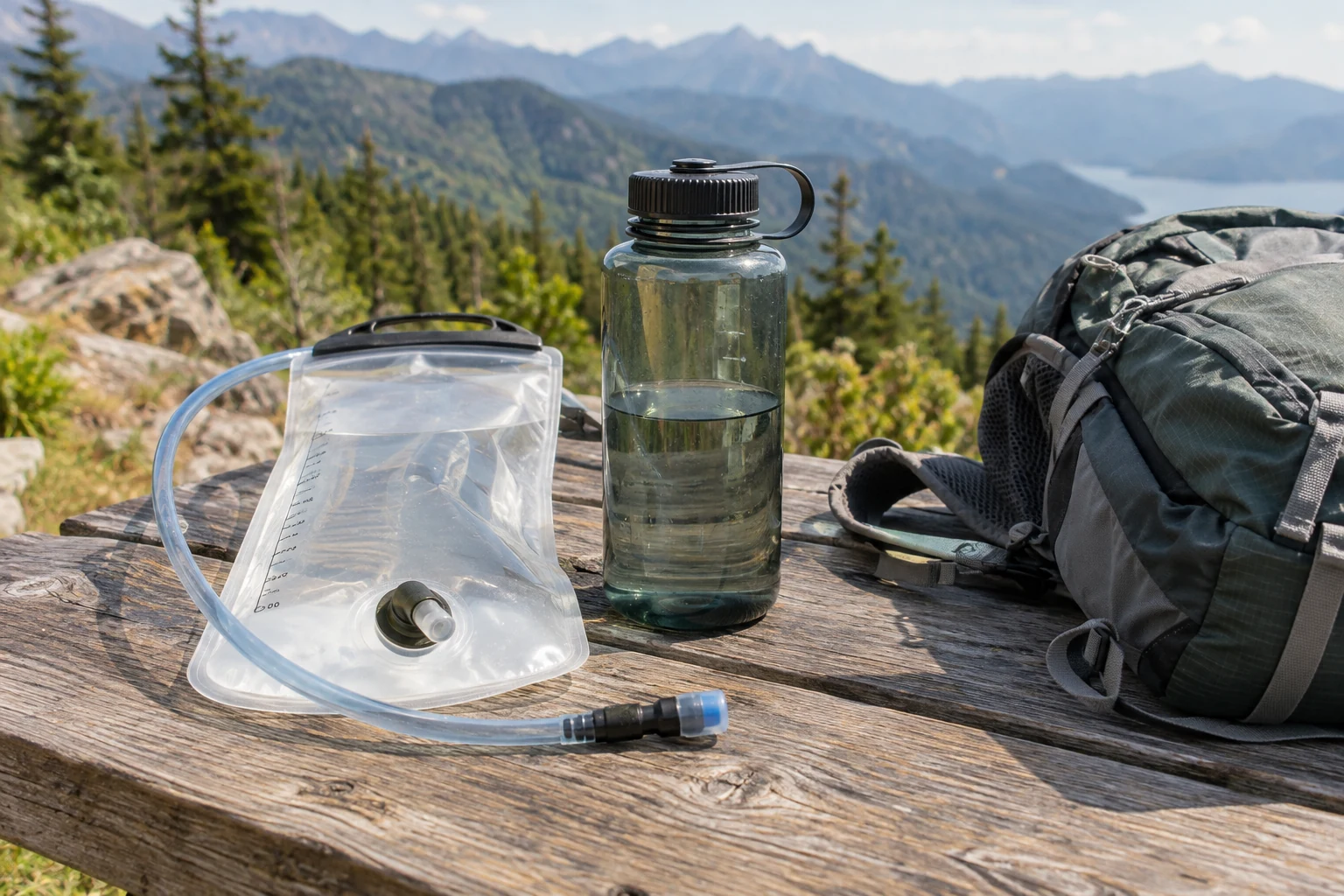
Reservoirs and bottles differ in access, refilling, and cleaning. Compare the complete routine rather than only the moment you take a drink.
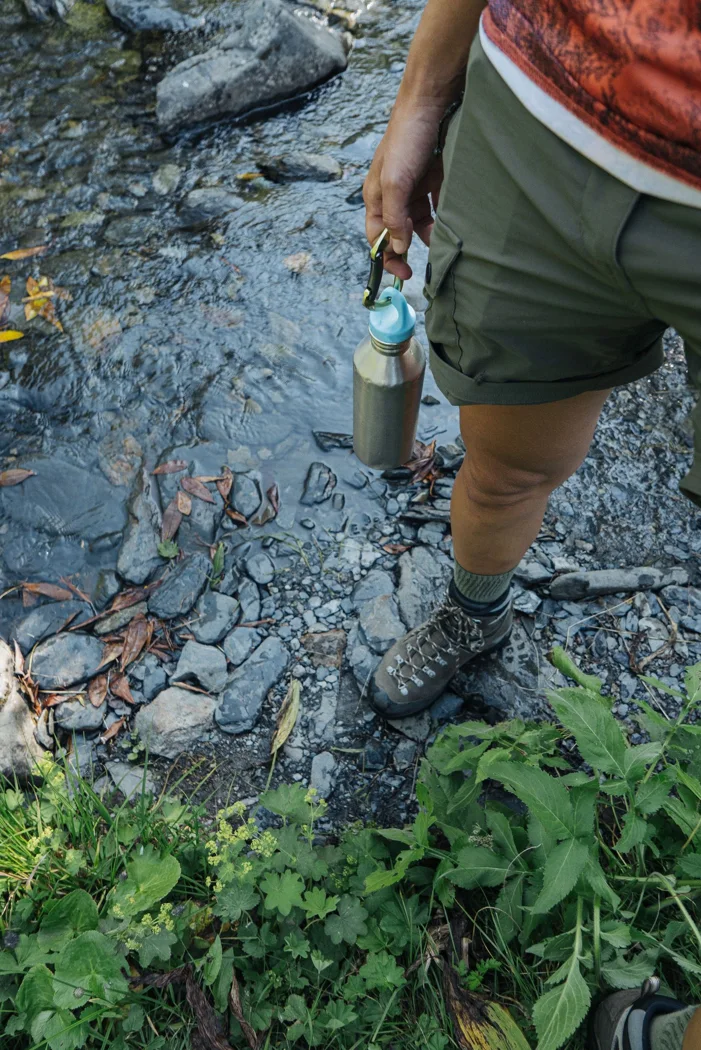
Material is only part of choosing a bottle. Assess its cap, filled weight, opening, and fit in the pack's side pocket together.
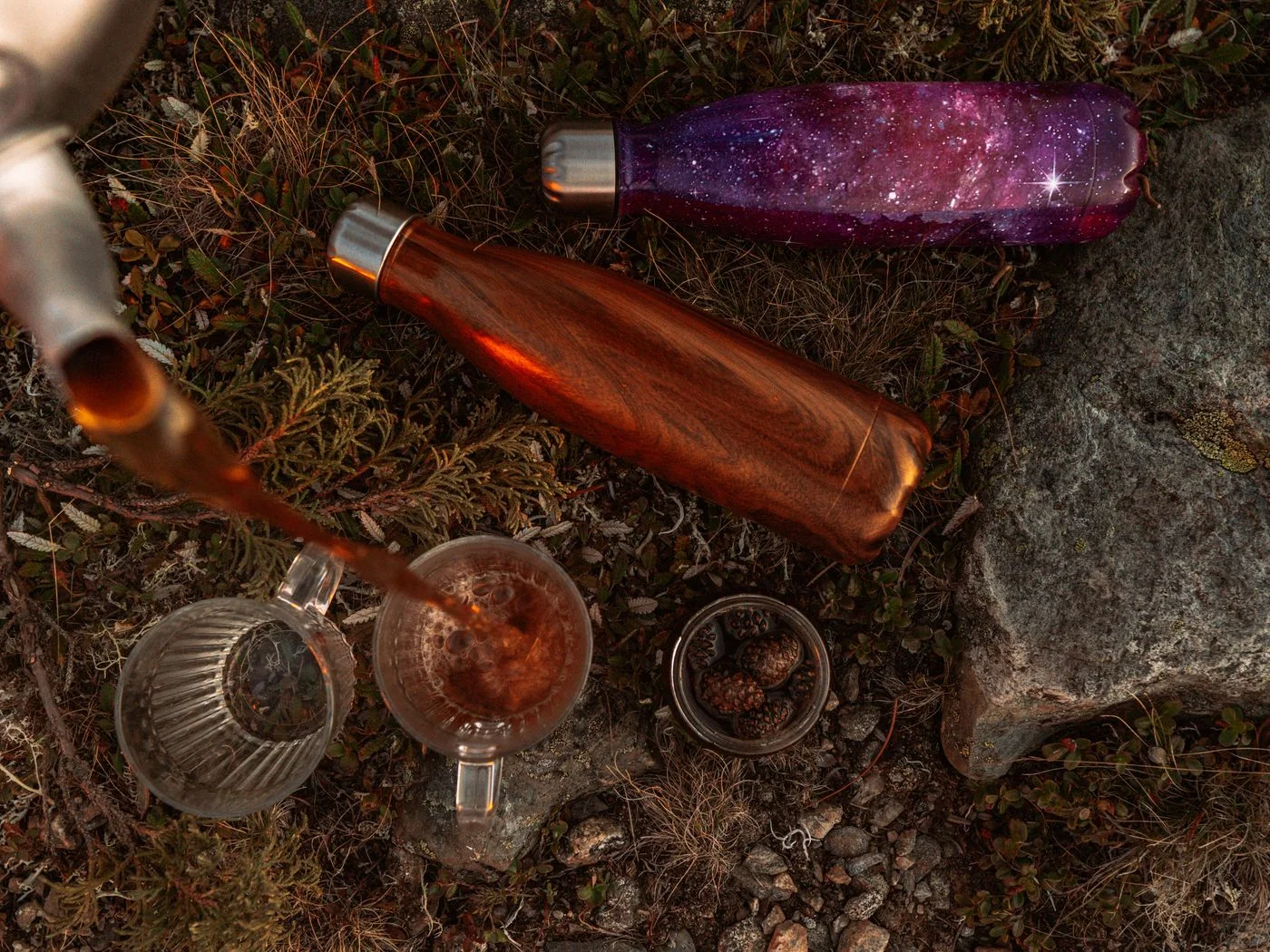
An insulated flask needs to be manageable to carry, open, and clean. Assess the filled vessel together with its cap and cup.

A lunch box needs an appropriate shape, a properly assembled closure, and a stable location among the rest of your belongings.
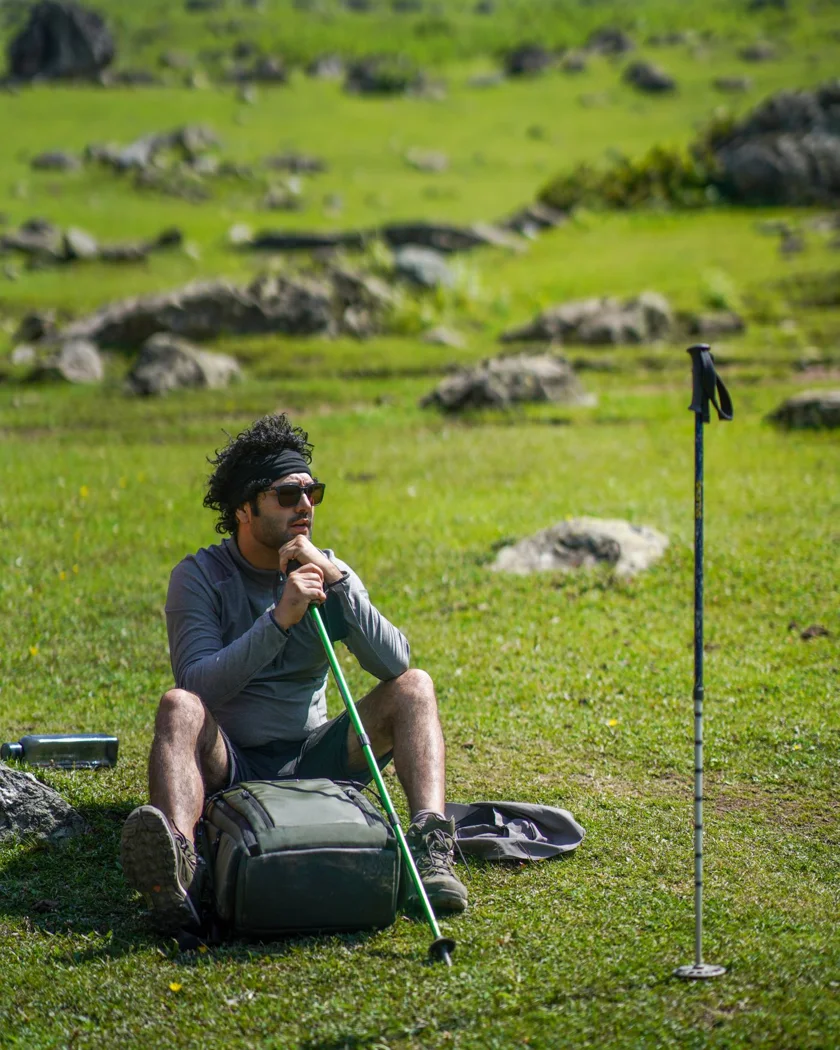
Folding and telescopic poles differ in packed shape, assembly, and adjustment. Some designs combine both constructions, so check the actual mechanism.
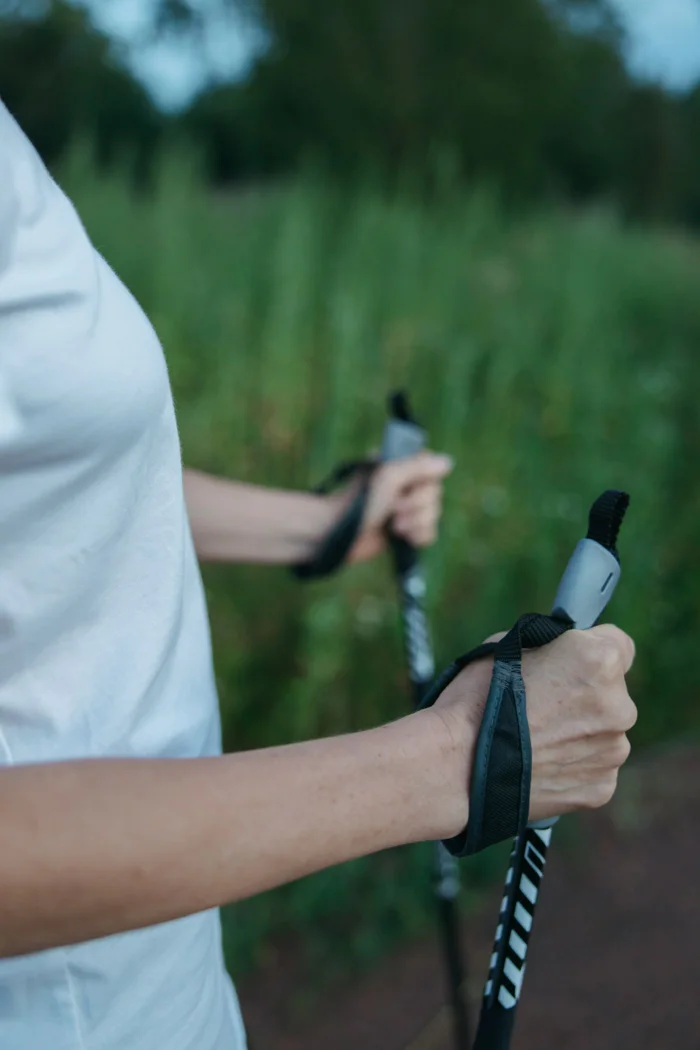
A length recommendation provides a starting point. Check the actual pole's range, grip positions, and locking mechanism rather than copying one universal number.
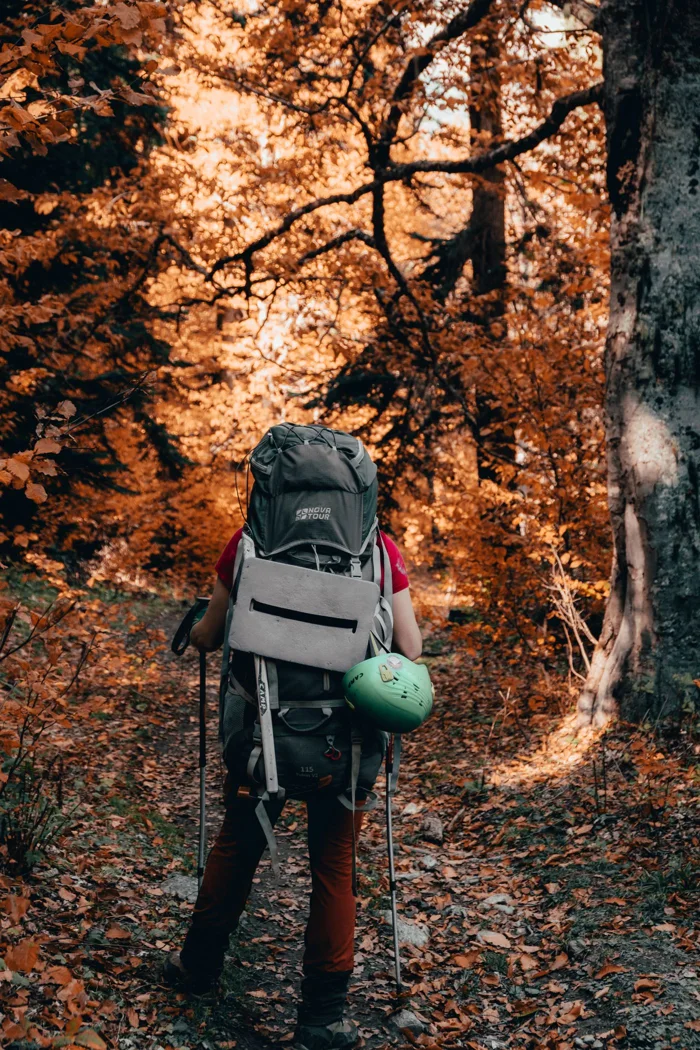
Pole attachments differ between packs. Use the designated fittings and assess retention, exposed tips, and the space needed when moving.
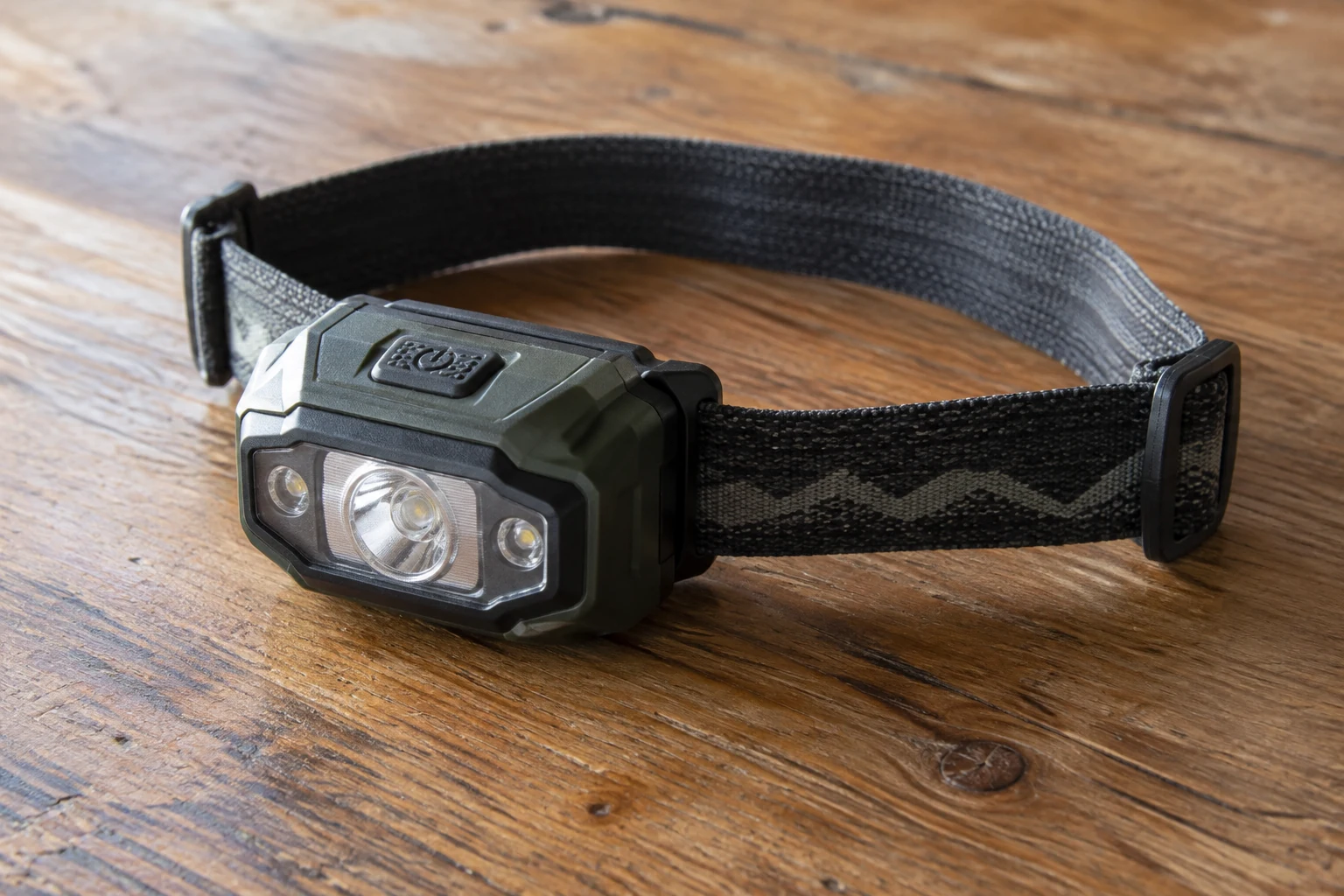
Beam shape, controls, headband, and power supply work together. A large lumen number does not answer those questions by itself.
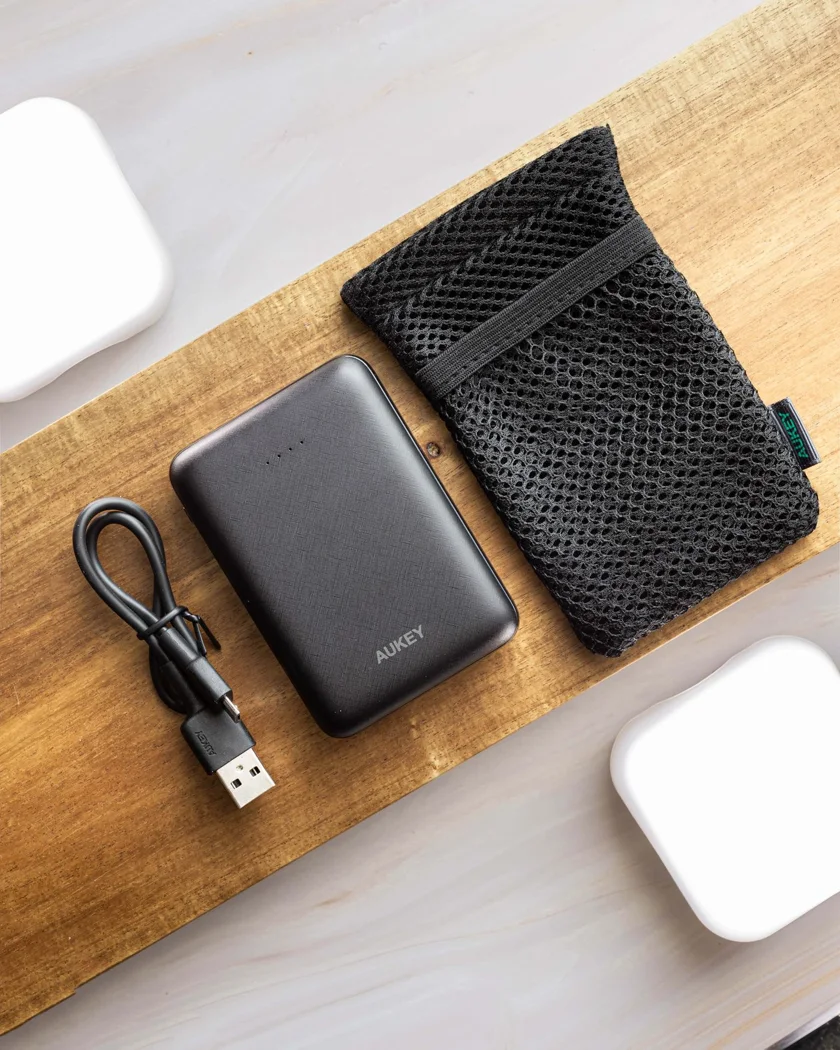
Give a power bank and cable a dry, accessible location. Compatible connections matter more than automatically choosing the largest battery.
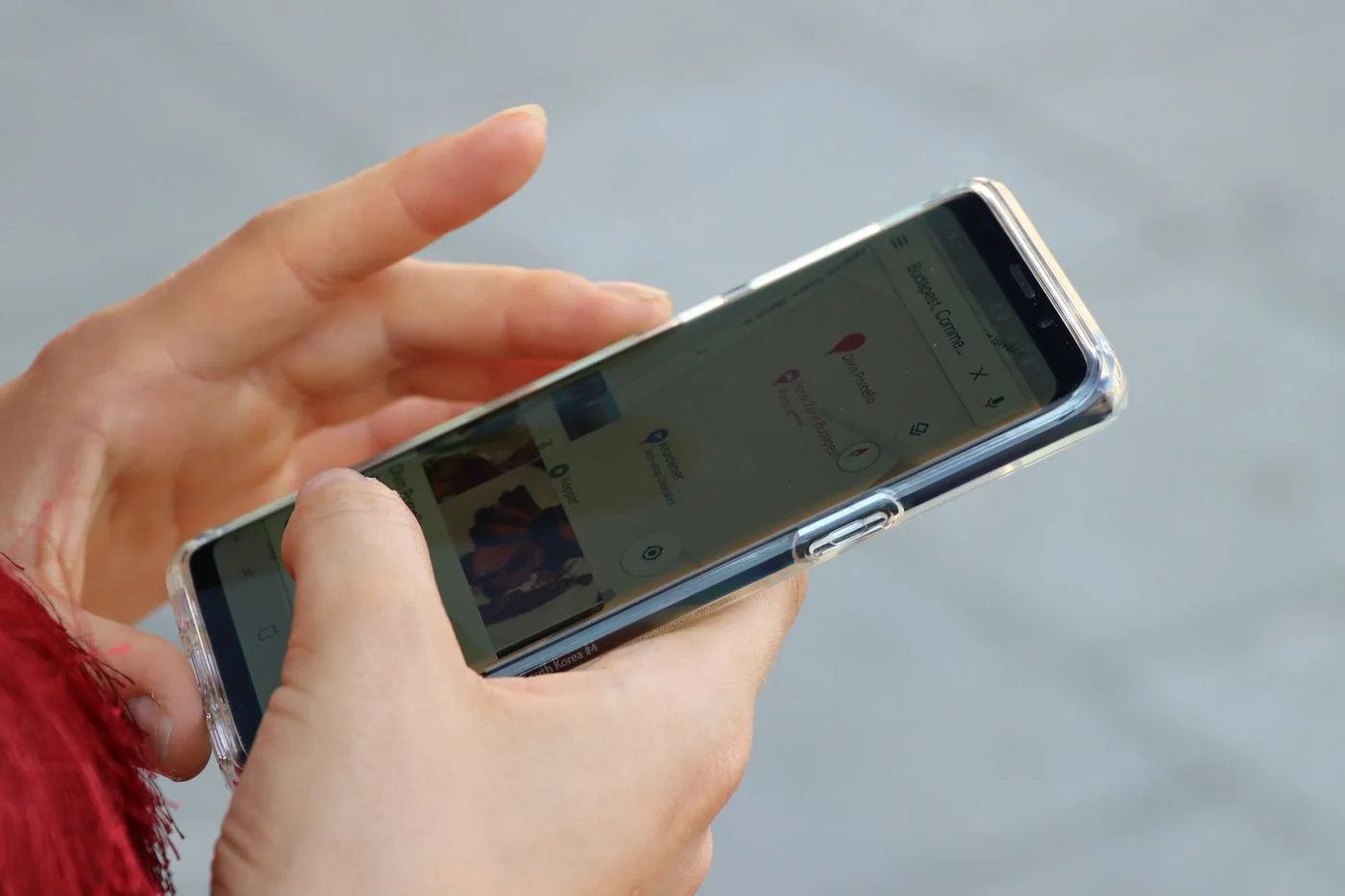
A map case protects paper while phone storage organizes a device. Assess visibility, closure, and retrieval as separate requirements.
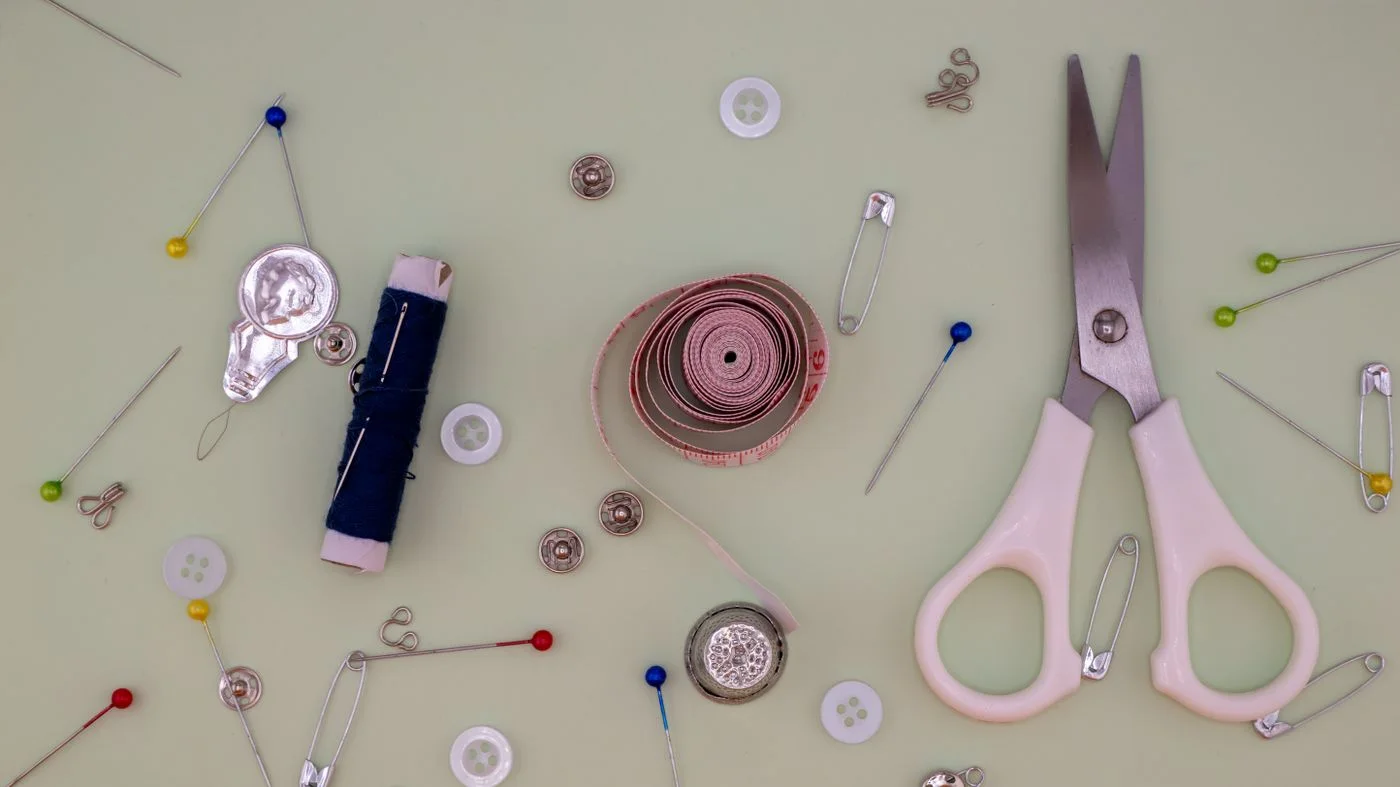
A small repair pouch helps when its contents match your equipment and you understand how to use them. Compatibility matters more than collecting tools.
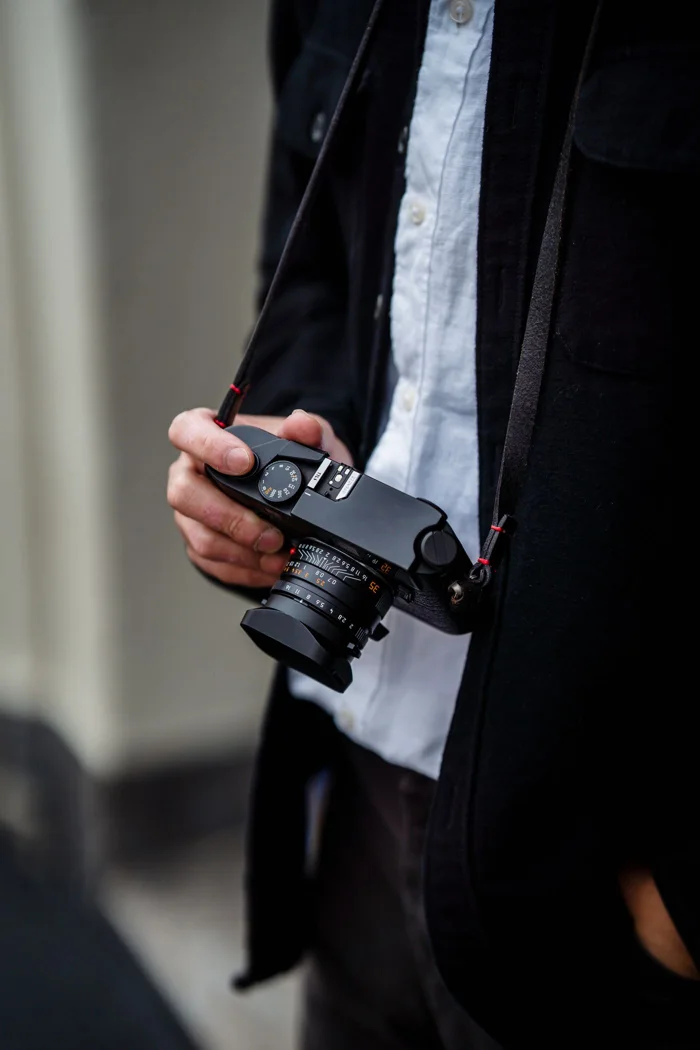
Compare internal storage, a strap, and a clip with your actual camera. Quick access and weather protection are different requirements.