Begin with the equipment you carry
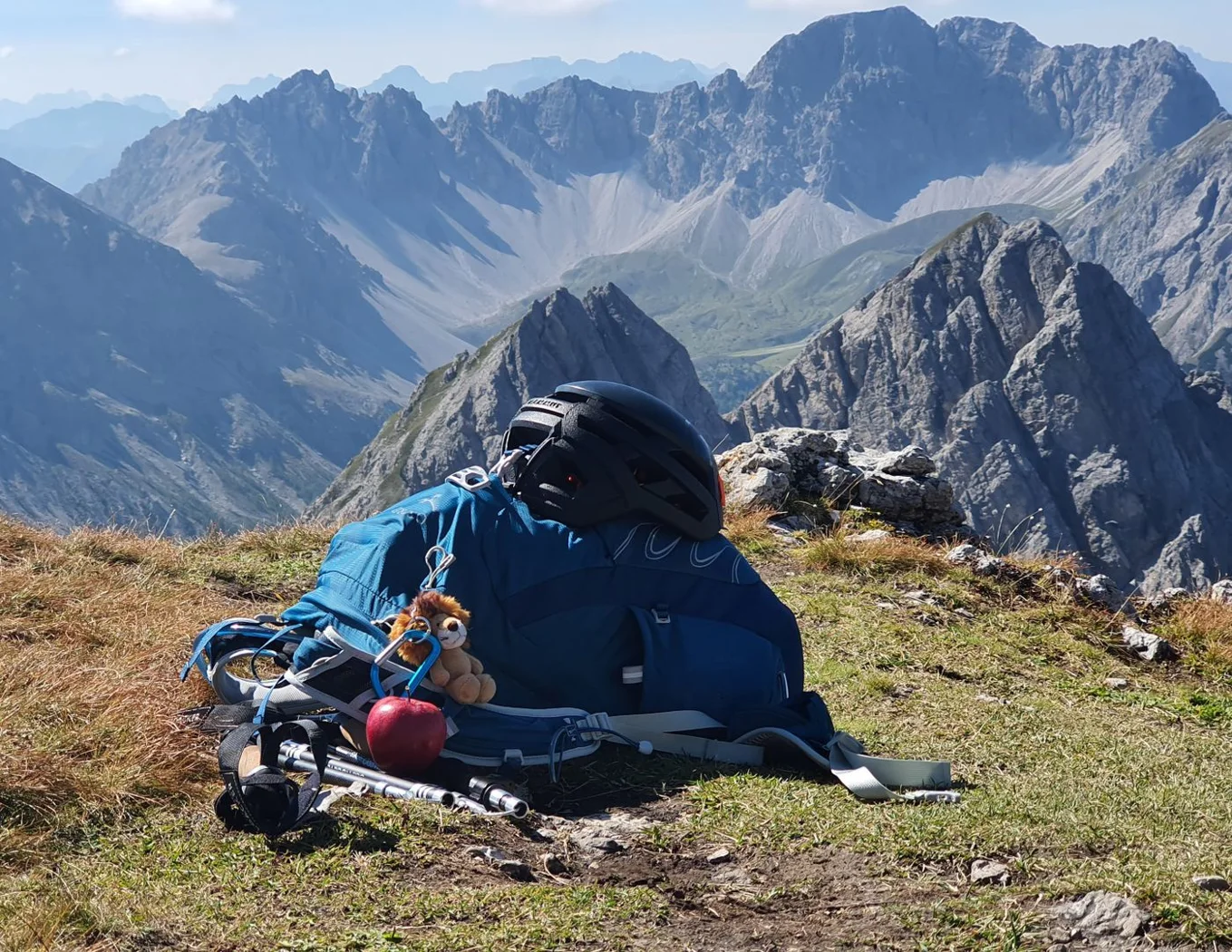
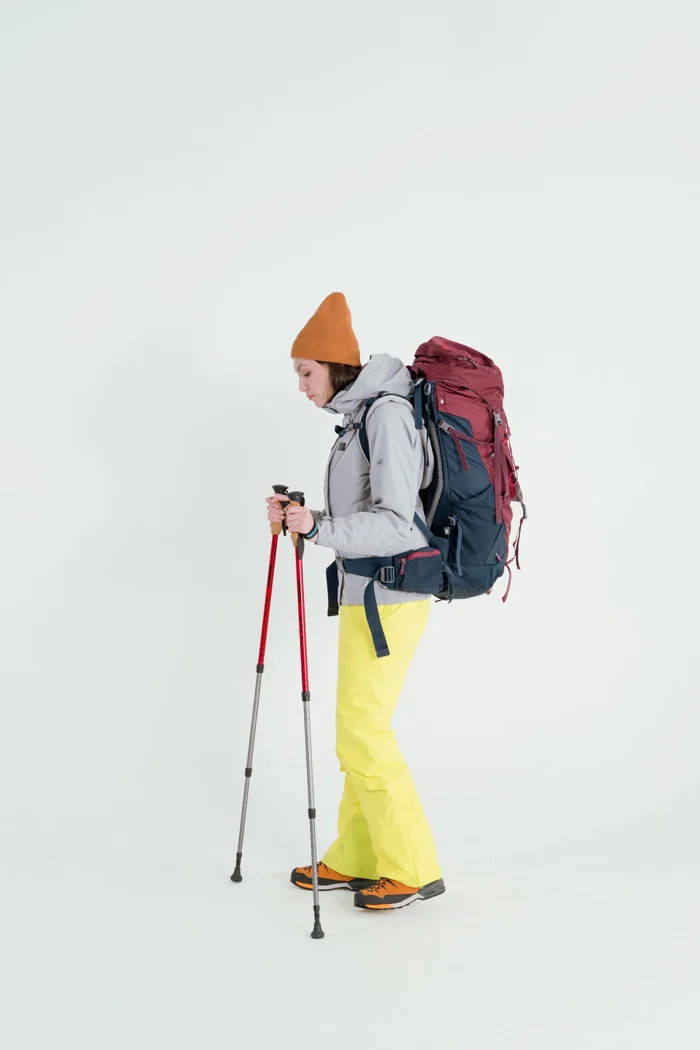
Look at your pack, clothing, and other belongings. Which small parts can loosen or wear, and which can reasonably be replaced during an outing? A compatible buckle, suitable spare lace, or correct fabric patch has a clearer purpose than a large collection of unidentified pieces.
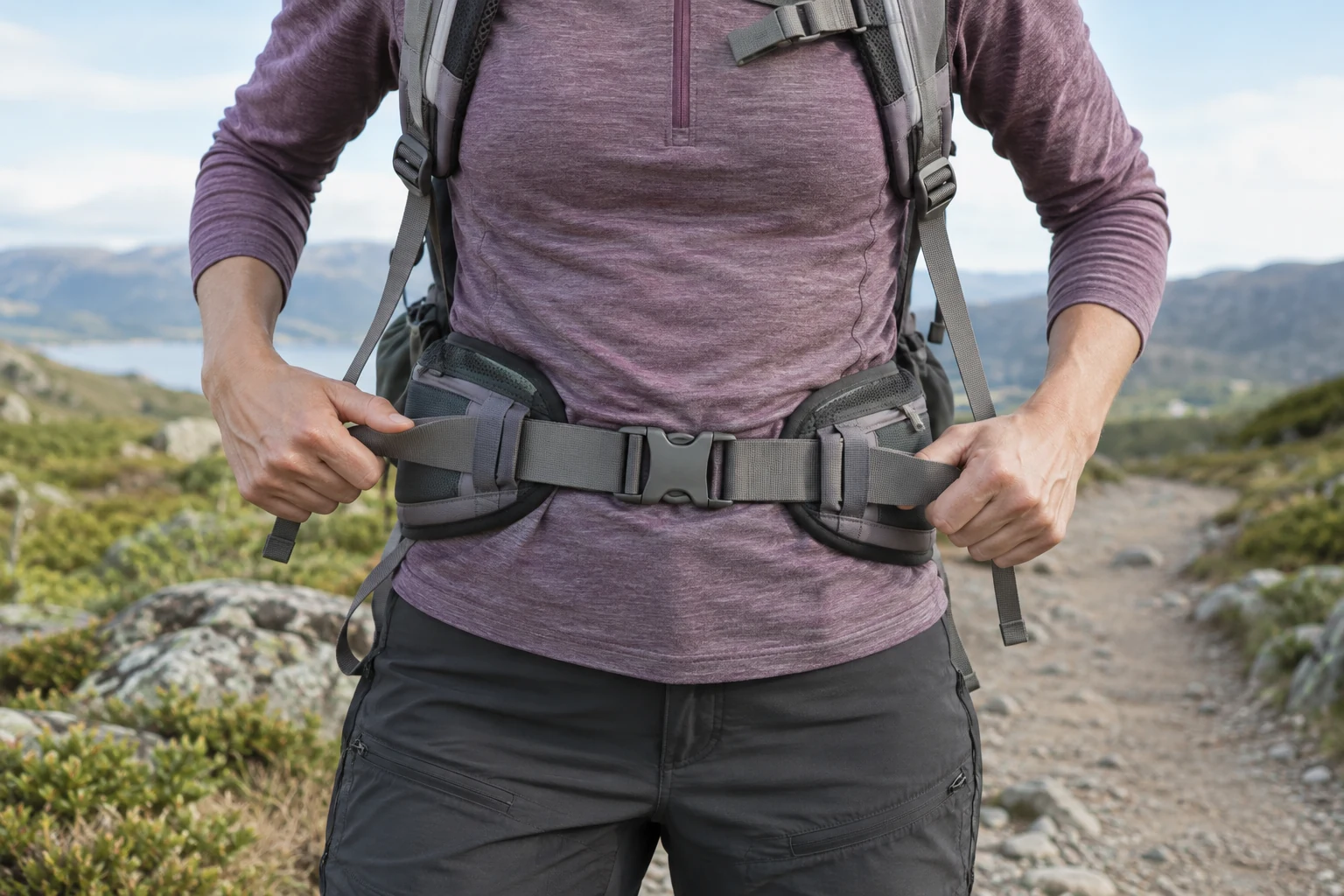
Assign each spare to an item. A buckle does not fit merely because its colour is similar. Webbing width, threading, and the two halves must match. Sea to Summit, for example, offers repair buckles with different widths and pin arrangements. Those variants explain why a randomly selected spare is not equivalent.
Match patches to the material
Adhesive patches differ in compatibility with fabrics and coatings. GEAR AID provides material lists and surface-preparation instructions for its products. A patch for ordinary nylon does not automatically bond to silicone-treated fabric. Keep the product information rather than carrying an anonymous strip months later.
Application requires conditions too: a suitable clean surface, correct overlap, and sometimes time before loading the repair. A wet muddy area may not provide those conditions outdoors. Carrying a patch therefore offers a possibility for an appropriate small defect, not a promise of immediate complete restoration.
Match tools to the parts
If a replacement buckle requires a particular screwdriver, include a suitable small tool and verify it at home. A multi-tool with many functions can still lack that fitting. Conversely, a large pair of pliers may serve no purpose if none of your intended repairs needs it.
A spare lace or suitable cord can support simple fastening tasks. Do not use improvised connections as substitutes for safety-related constructions. Load-bearing seams, damaged pole shafts, and electrical devices may need another response. A little pouch does not automatically make every repair appropriate or restore a component's original strength.
Keep the contents usable
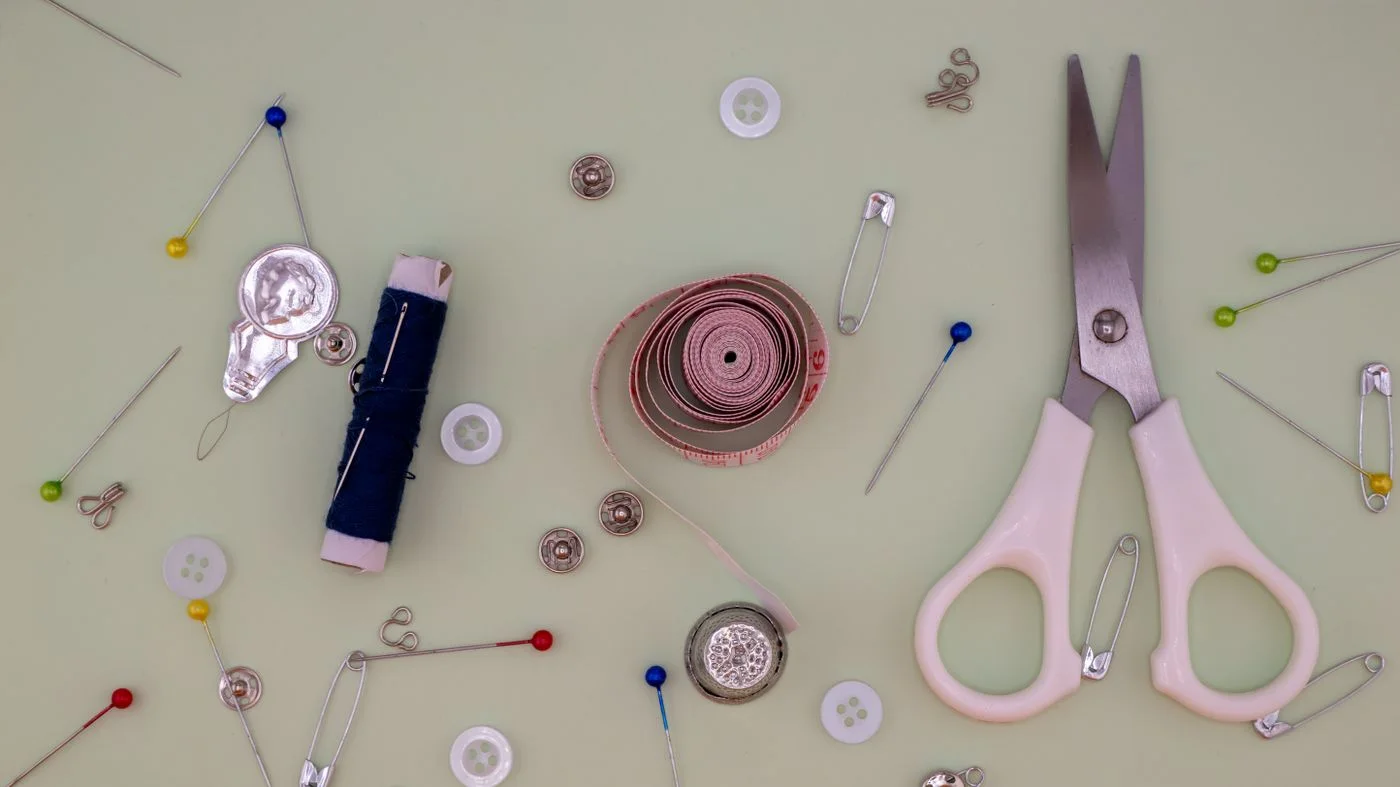
Contain sharp objects and retain adhesive backings. Store the pouch dry, clearly arranged, and accessible. Adhesives have specified storage conditions, and not every product suits prolonged exposure to heat. Read the label while assembling the kit.
Review it occasionally, particularly after using something. Empty packaging and an exhausted patch can still resemble a complete set from outside. Spares need to match your present equipment rather than a previous backpack you no longer use.
Keep a clear boundary
Stop when you cannot assess the material, load, or procedure. Record the damage and seek the intended service when possible. A useful small pouch supports known simple tasks. It should not encourage the assumption that every damaged item can return to normal use after tape or a knot.