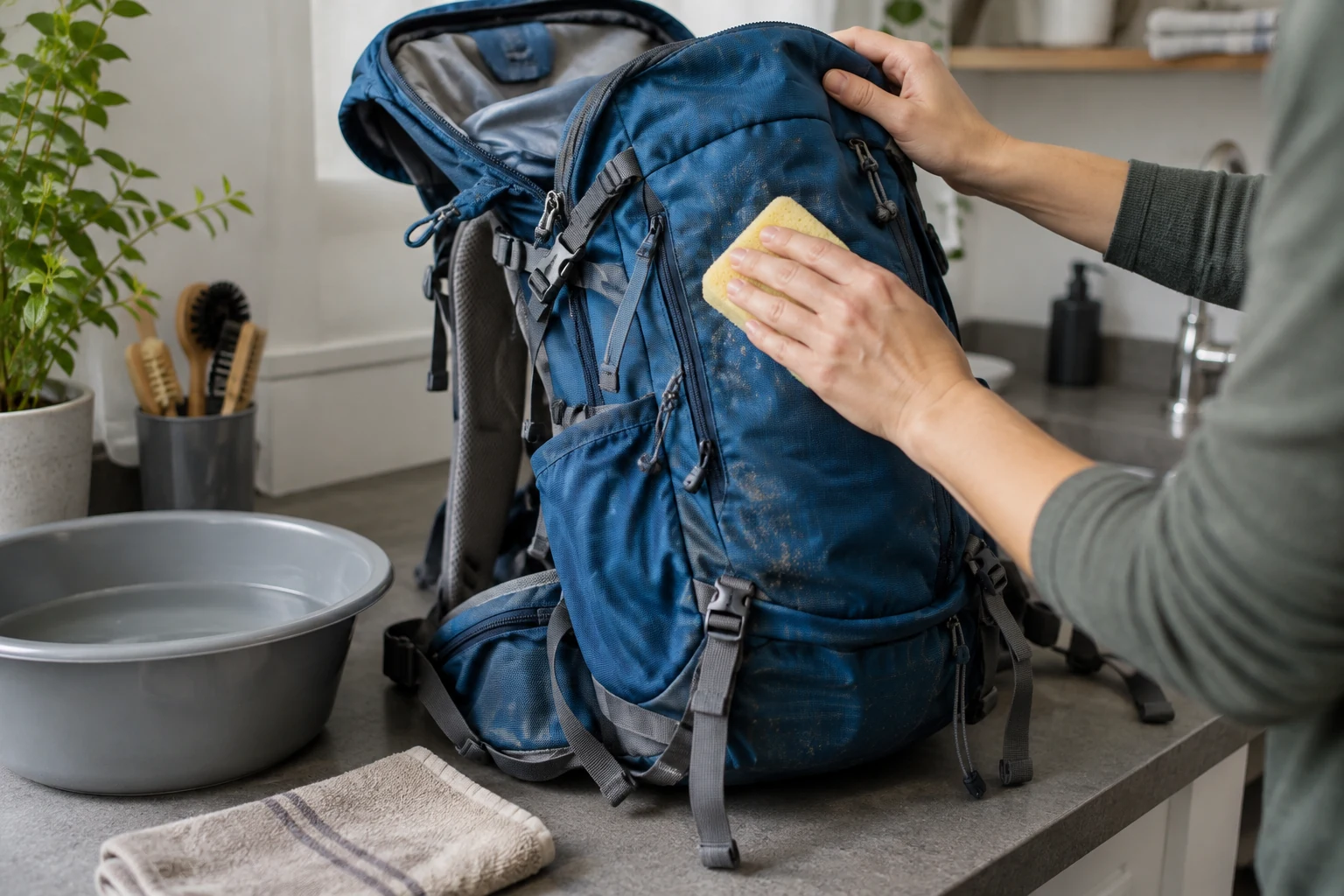
Hand-cleaning a walking backpack
Empty the pack and identify its construction before choosing spot cleaning or hand washing. The care label governs the permitted method.
SUBJECT / 04
Cleaning, drying and storing the equipment you already own.
21 articlesEmpty the pack and identify its construction before choosing spot cleaning or hand washing. The care label governs the permitted method.
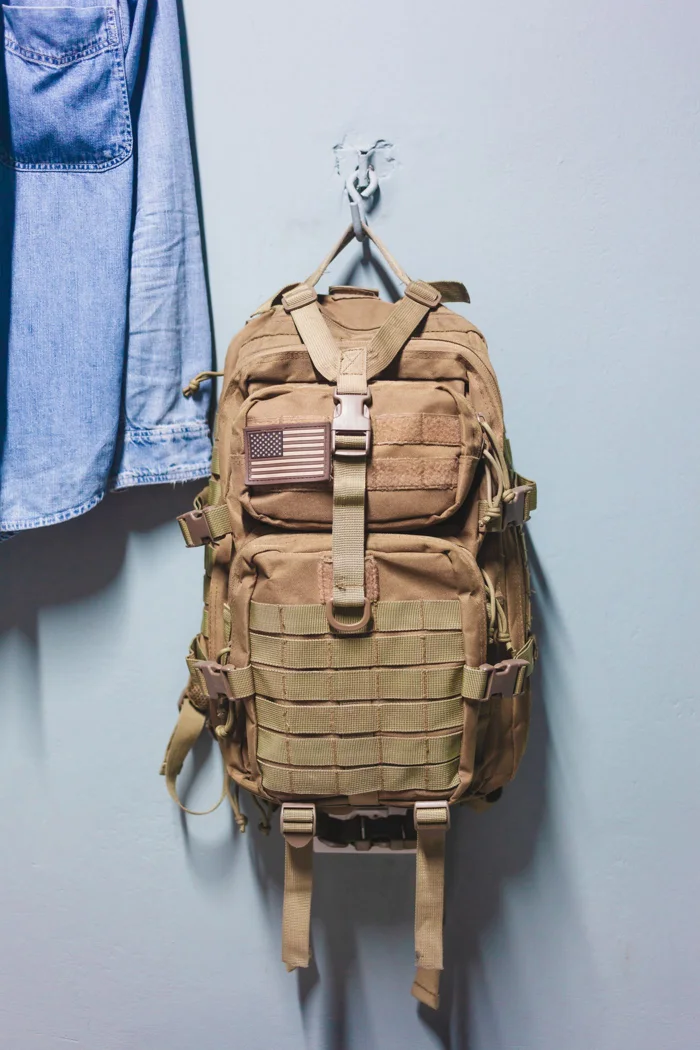
The exterior can feel dry while padding and pockets still hold moisture. Open and check the whole pack before storing it.
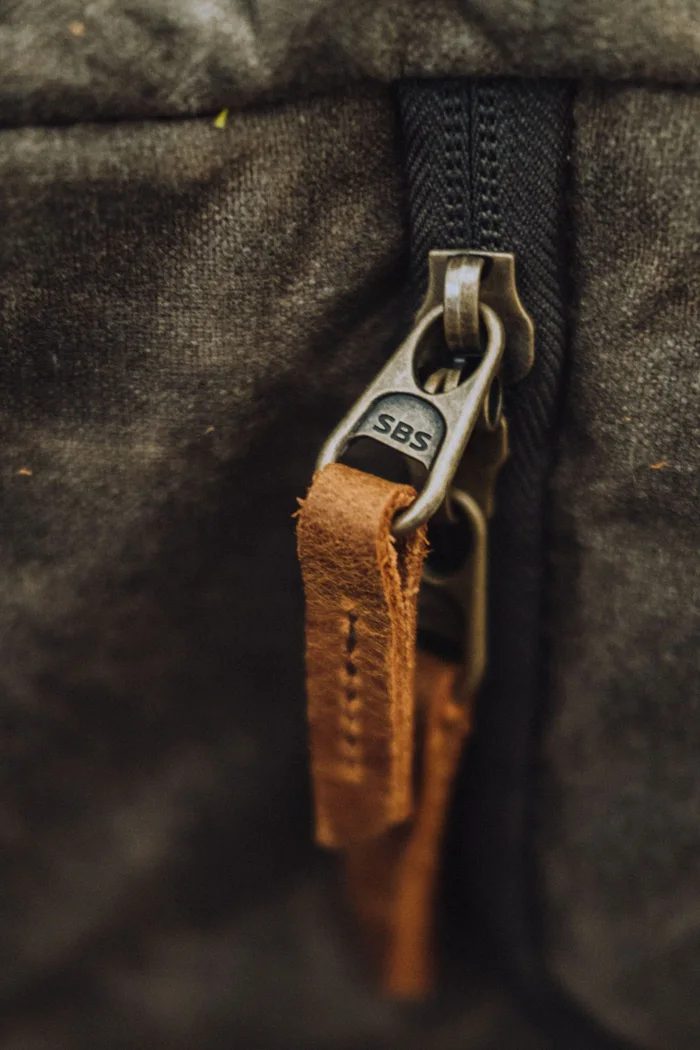
With a stuck zip, look first for grit and trapped fabric. Any care product must suit the particular type of closure.
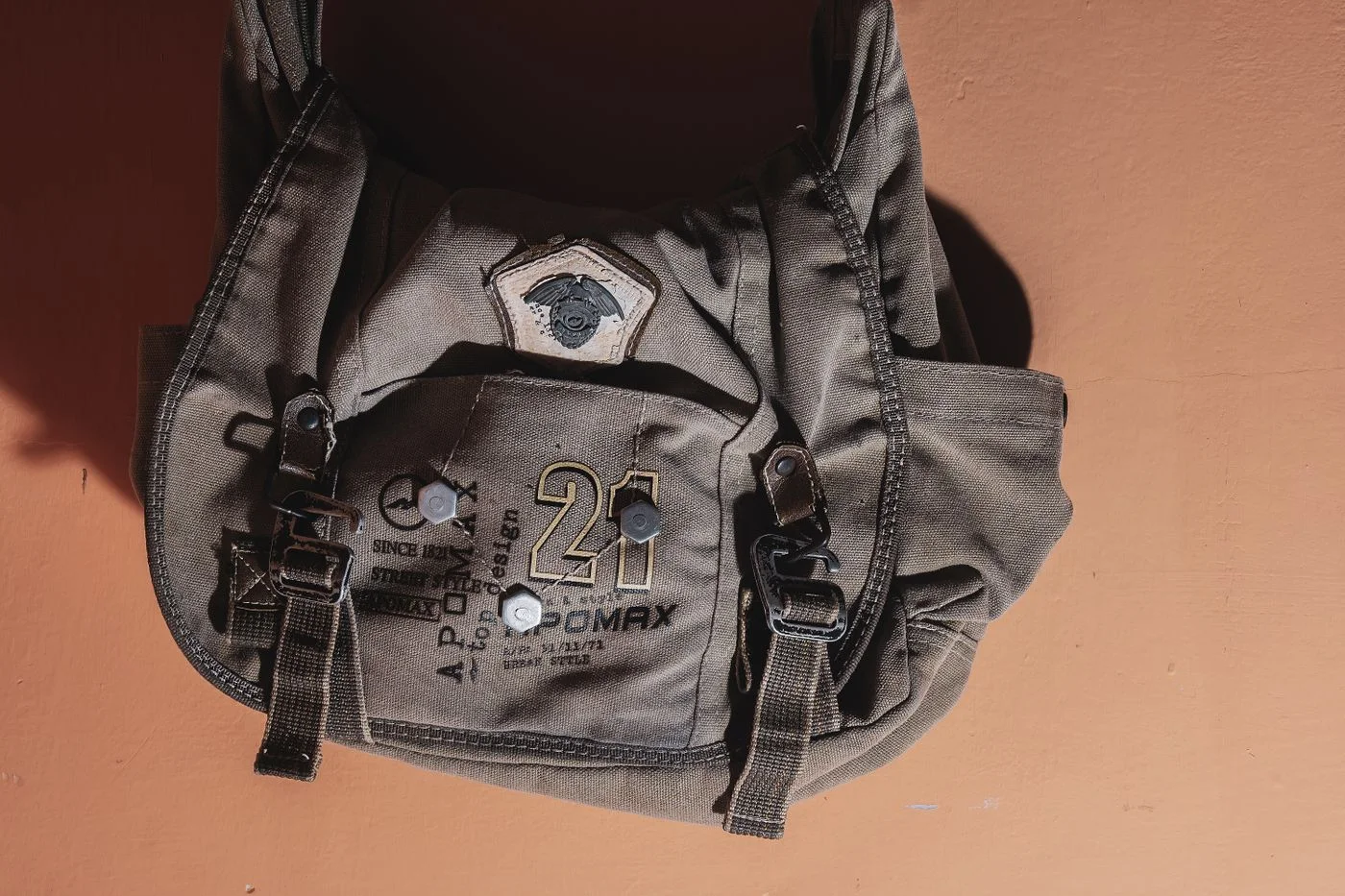
Inspect buckle, webbing, and stitching separately. A compatible replacement part does not automatically resolve every defect in the suspension.
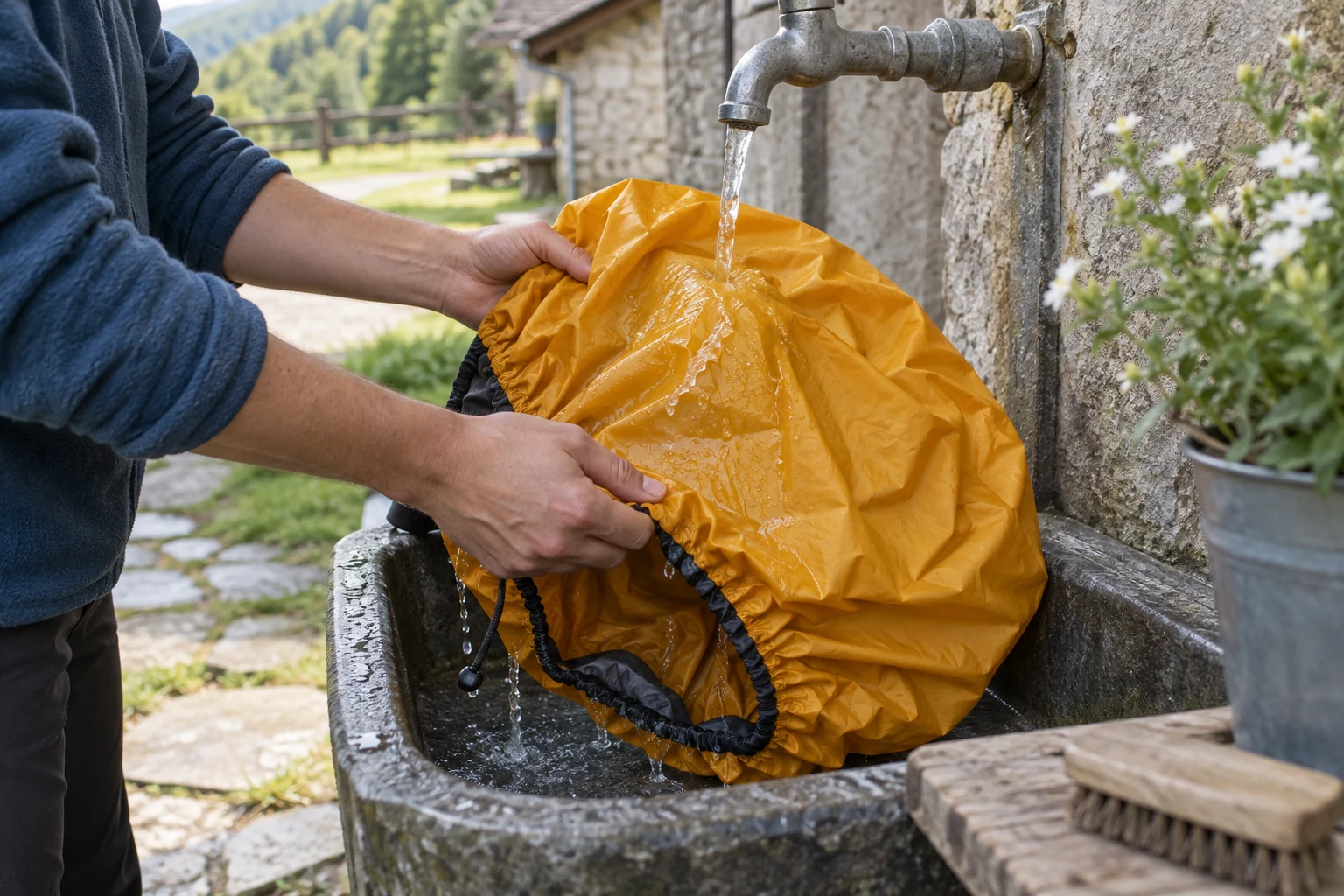
Rain covers collect dirt in folds and around their elastic edge. Clean them gently and dry them separately from the pack.
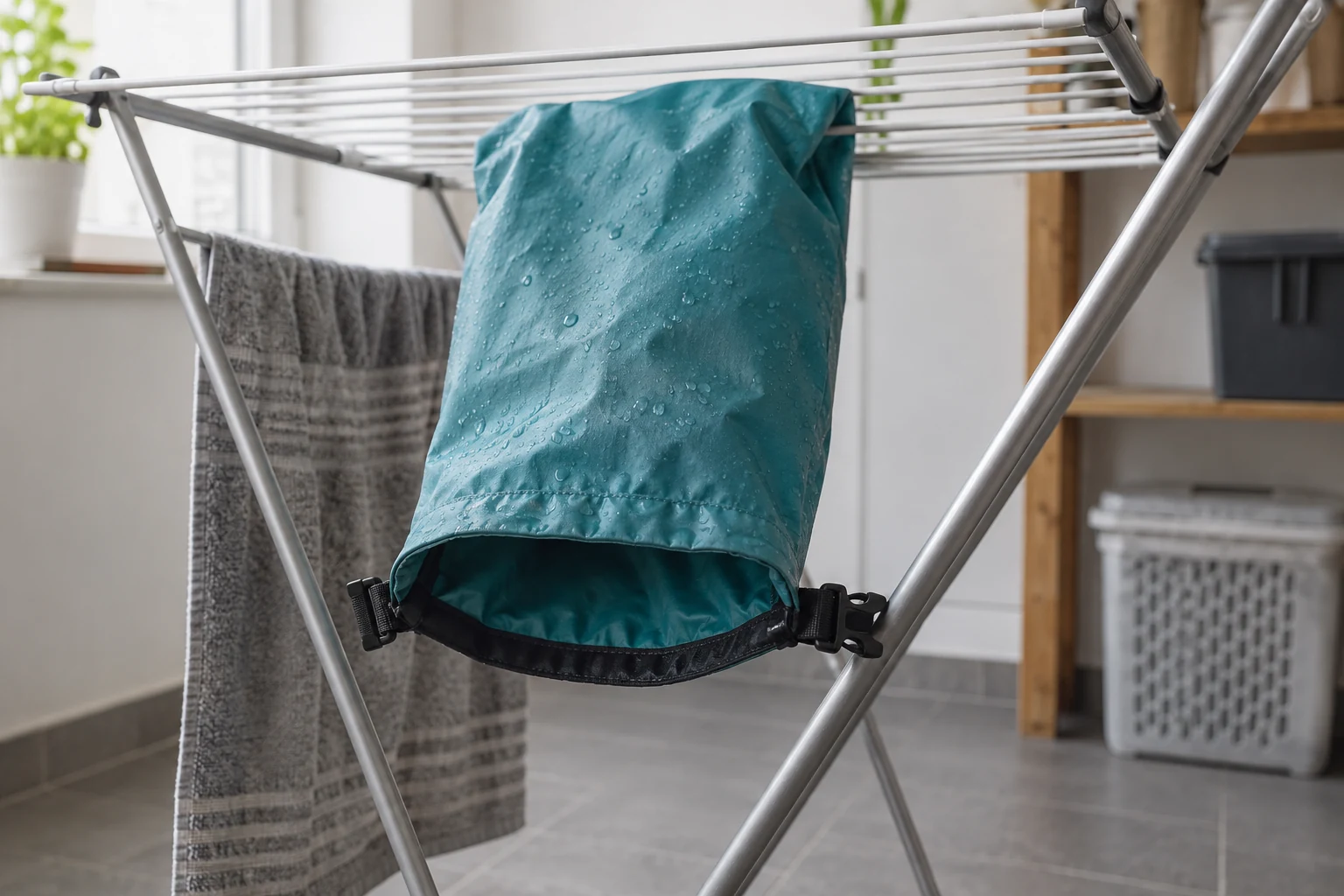
Dry bags need clean closure edges and an intact inner barrier. A fresh water-repellent treatment cannot replace a damaged waterproof layer.
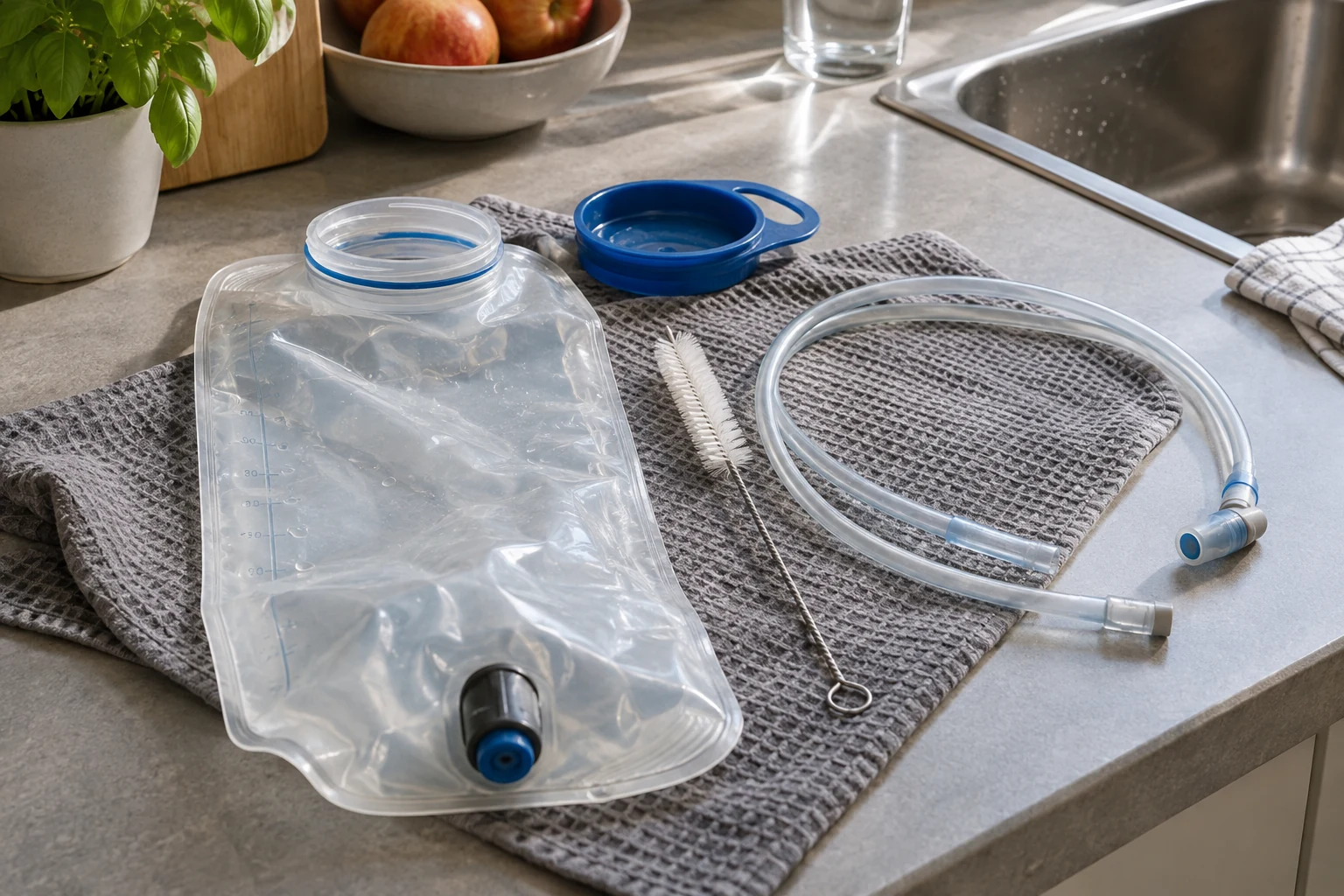
Clean the reservoir, tube, and valve as one system. Separate only the parts designed to come apart on your actual model.
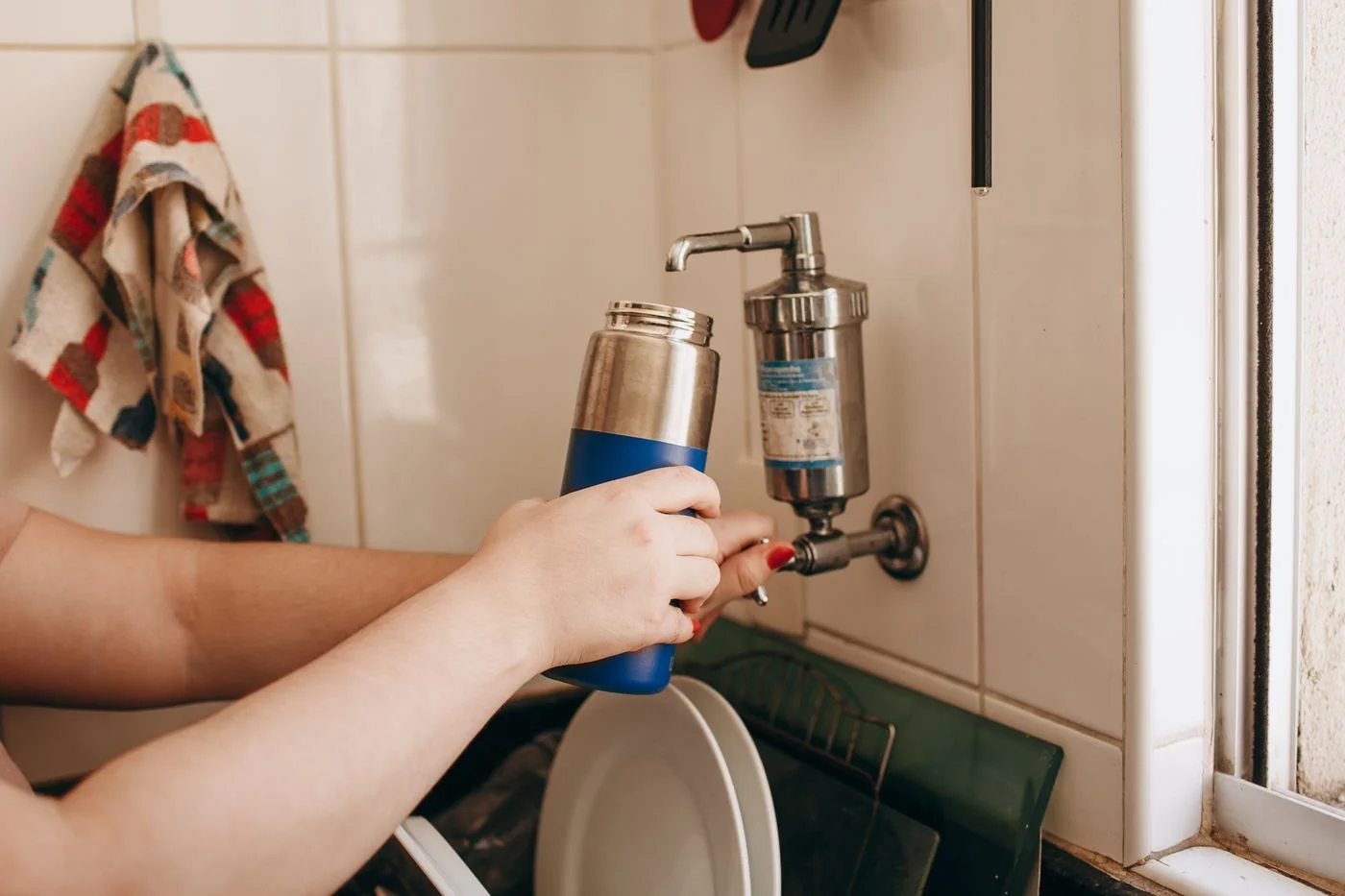
Threads, gasket channels, and drinking openings need attention. Disassemble a bottle cap only according to the instructions for that closure.
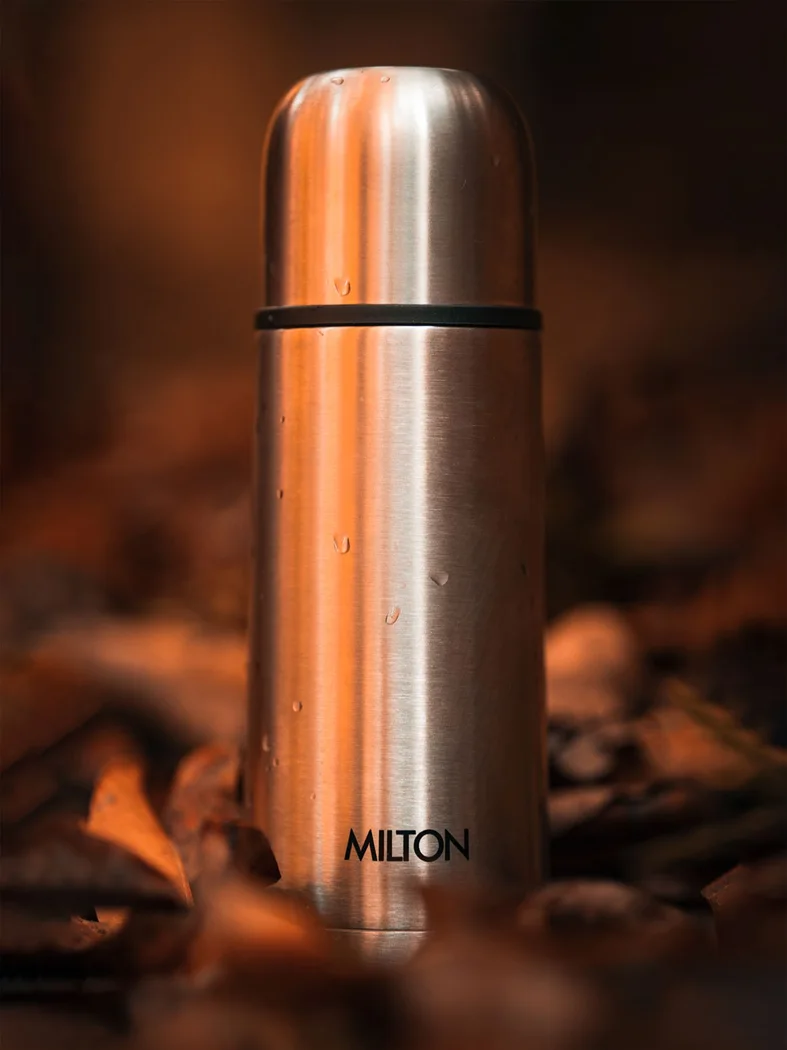
A soft brush and approved cleaning method handle many residues. Assess the stopper and flask separately rather than treating them as one simple surface.
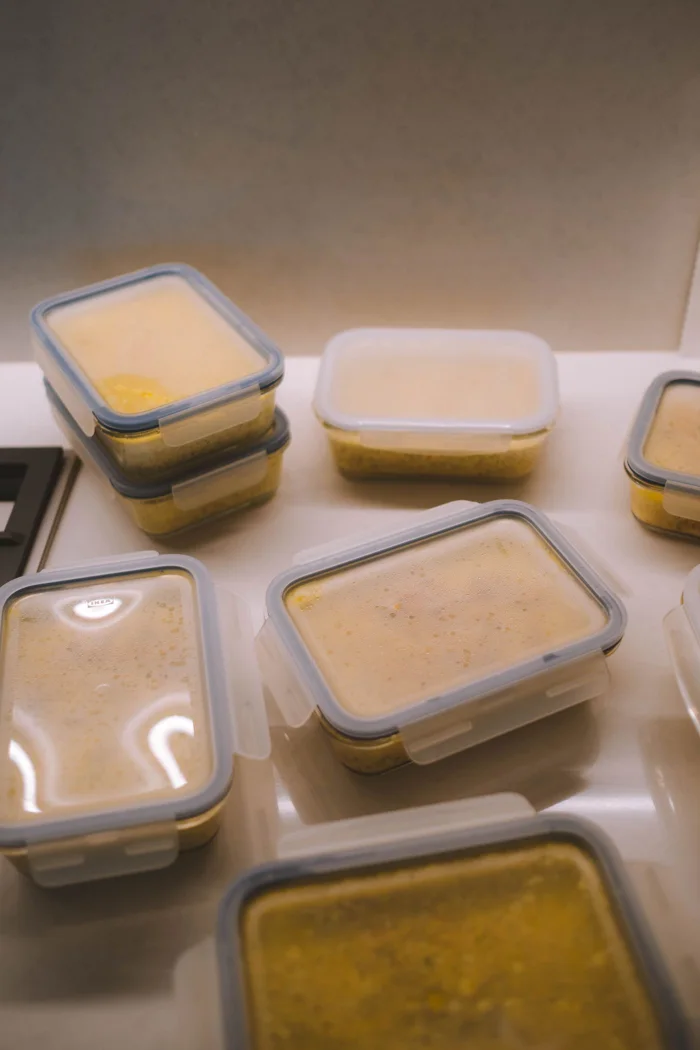
The lid, container, and seal may have different care permissions. Dry them completely before reassembly and storage.
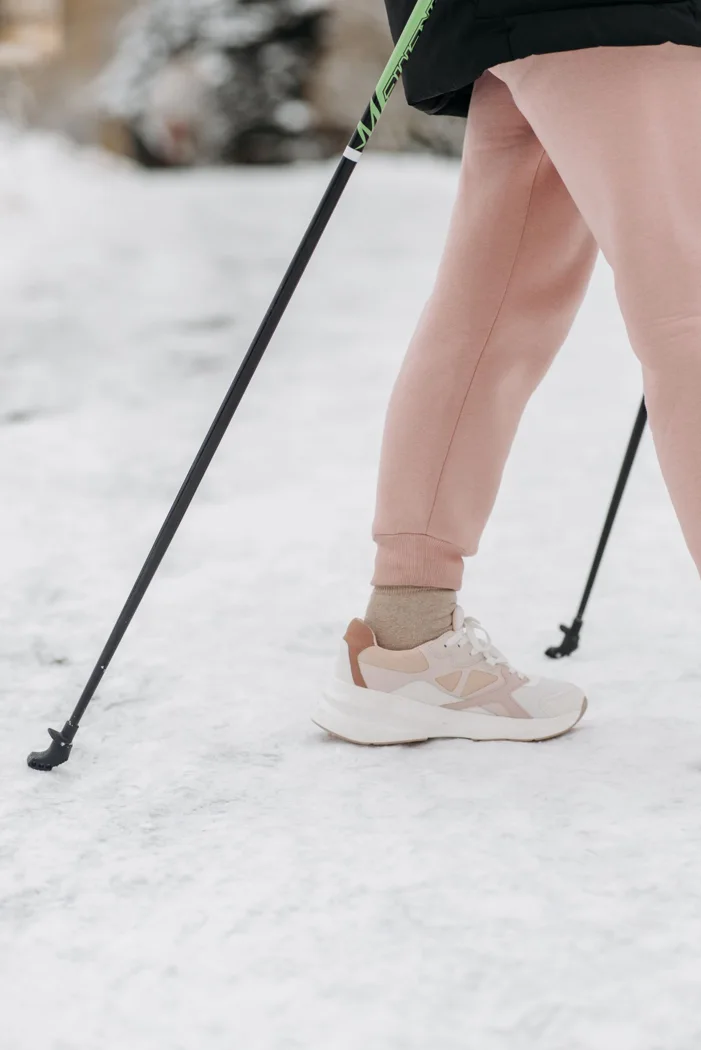
Remove dirt from sections and locks without automatically adding lubricant. Folding and telescopic constructions need different handling.
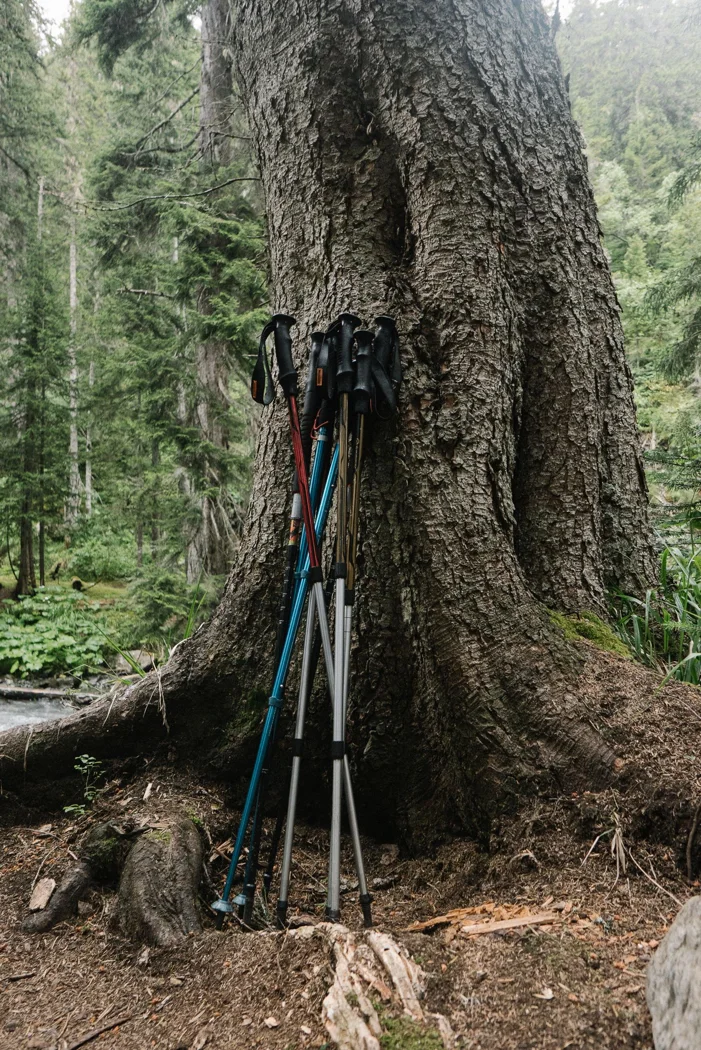
Check baskets and rubber tips for retention and wear. A glued structural tip is not automatically a home-replacement task.
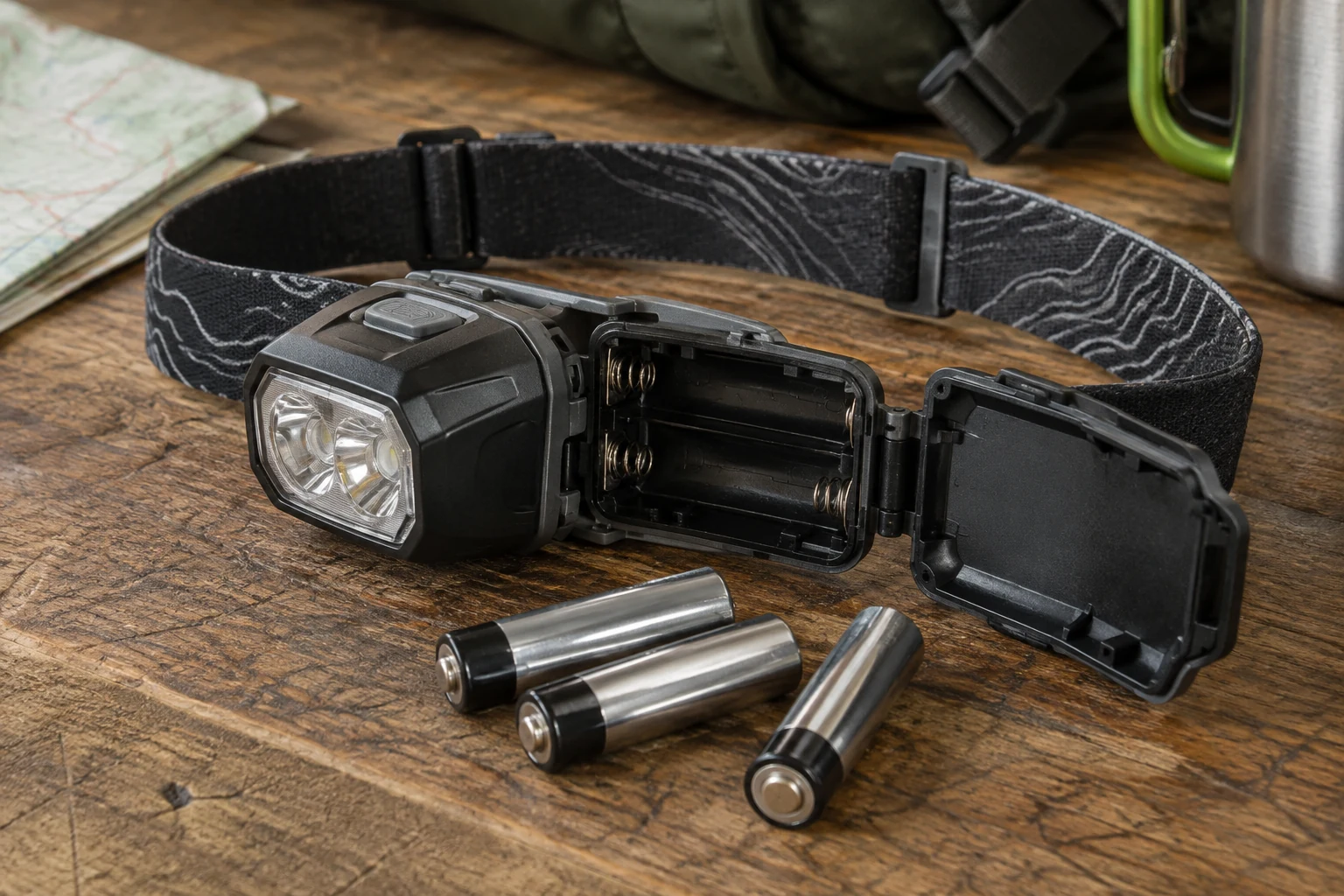
The headband, housing, and battery compartment need different attention. Dry and inspect them according to the lamp's own instructions.
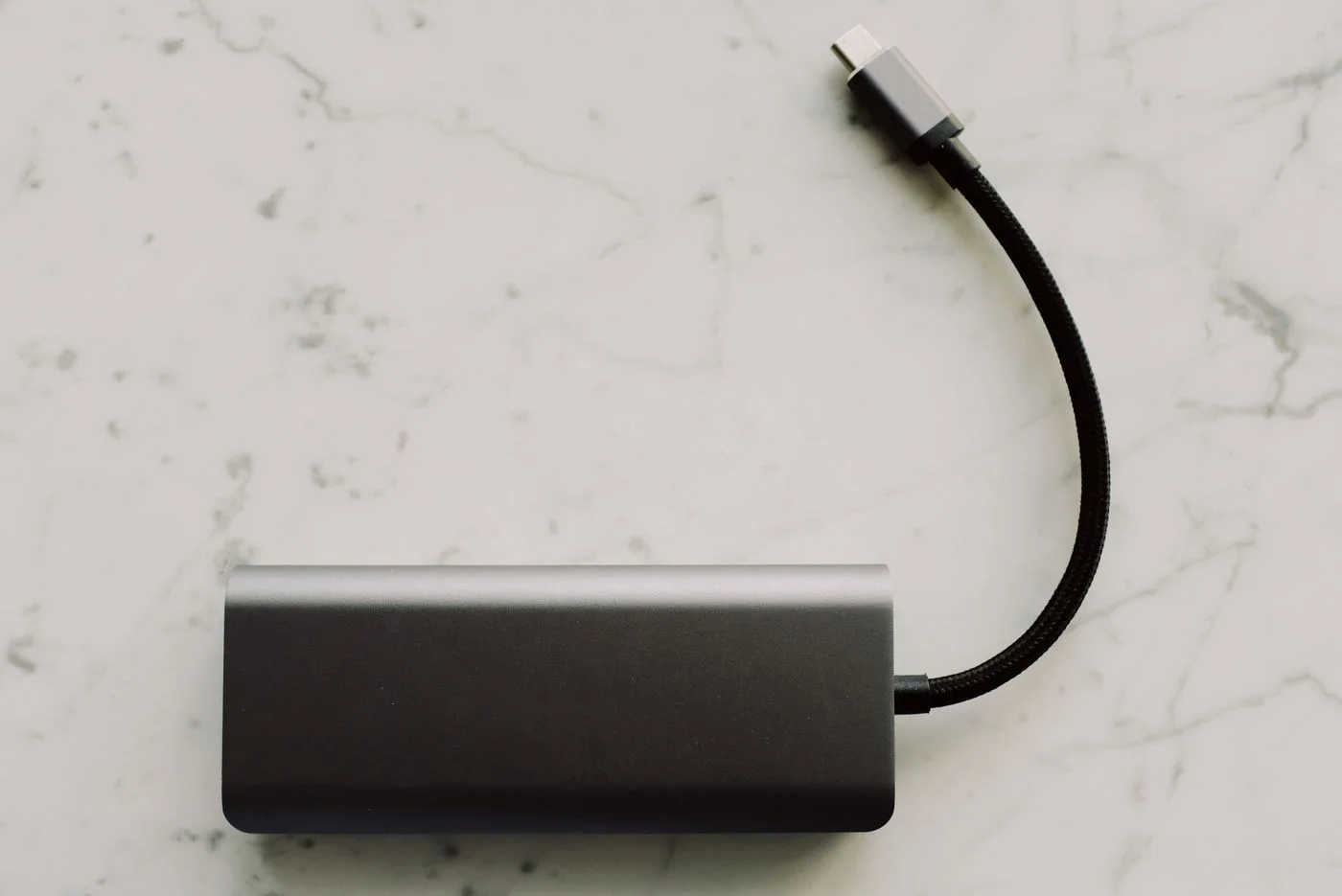
A damp pouch differs from liquid inside the device. Assess both before charging or storing a power bank again.
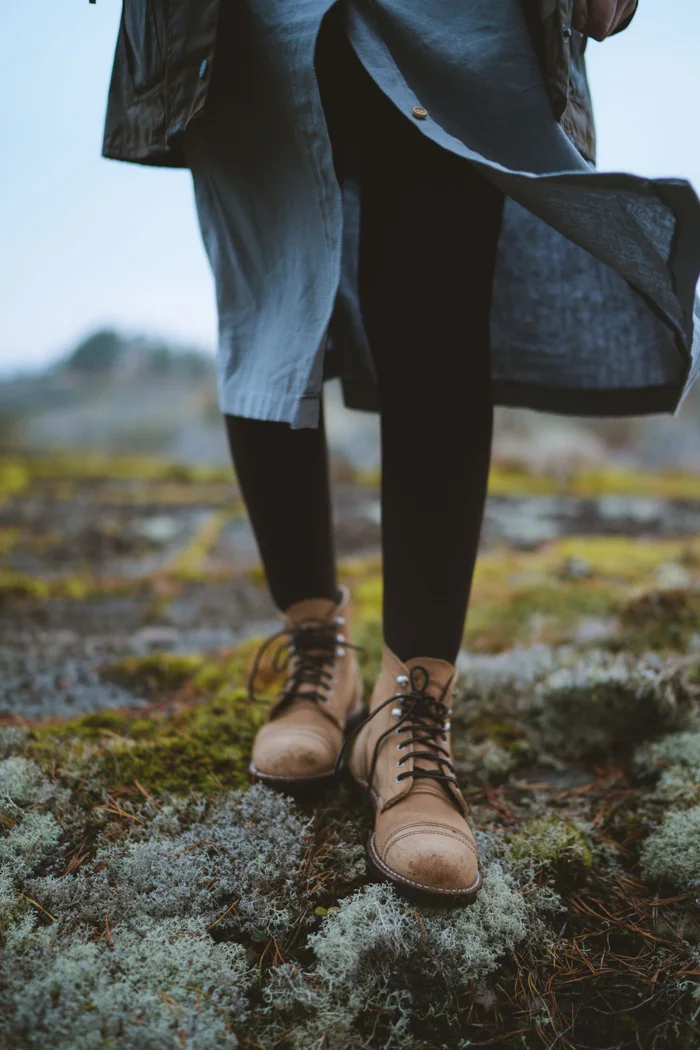
Leather care starts with clean material. Wax, water-repellent treatment, and lining care perform different tasks and should not be treated as interchangeable.
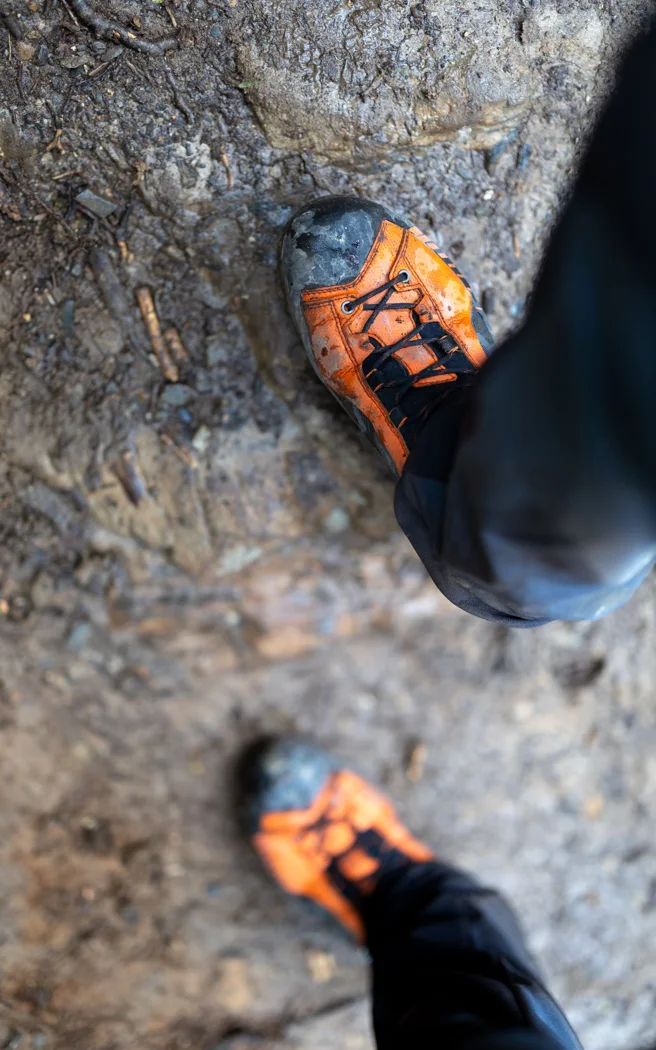
Remove soil gently from textile uppers. Leather wax does not automatically belong on every mesh panel or synthetic section.
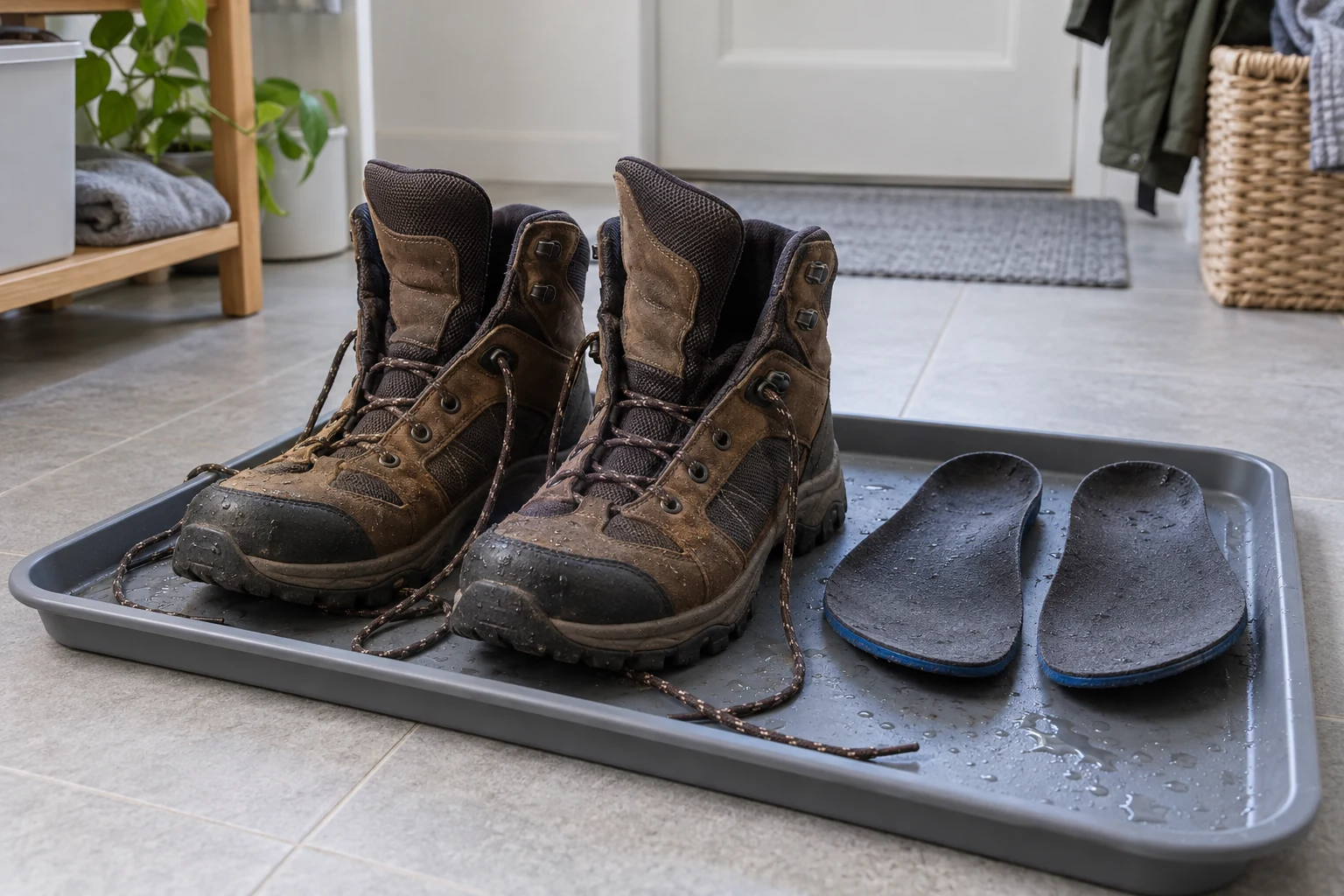
An open collar and separate footbeds improve access for drying. Strong direct heat is not a universal shortcut for wet footwear.
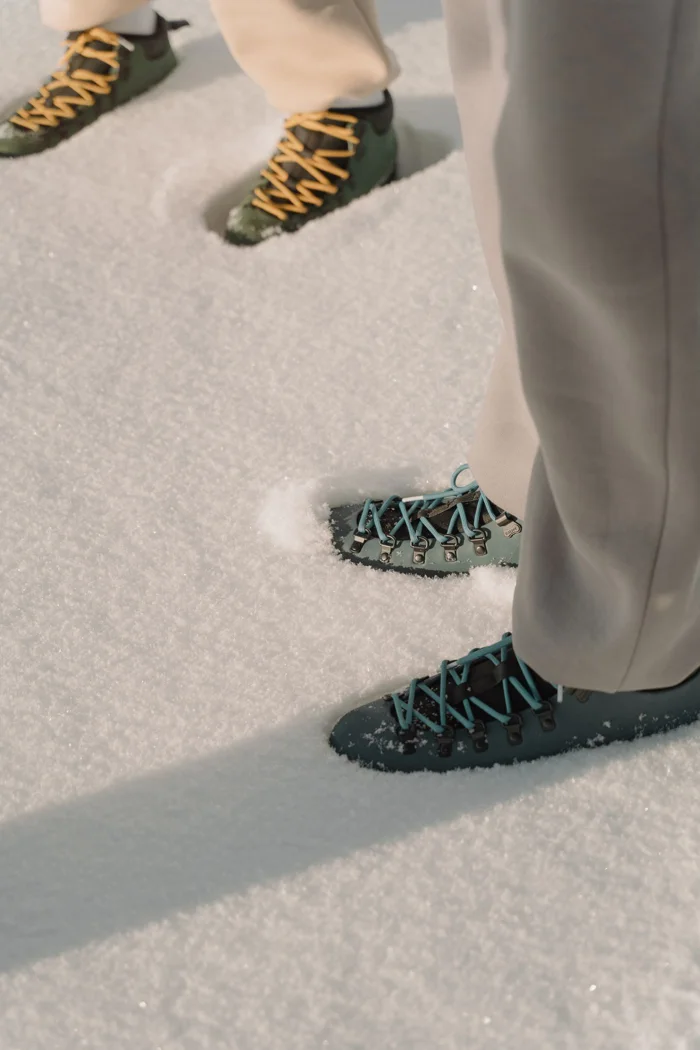
Laces and removable footbeds can often be cared for separately. Material, dimensions, and correct refitting matter when a replacement is needed.
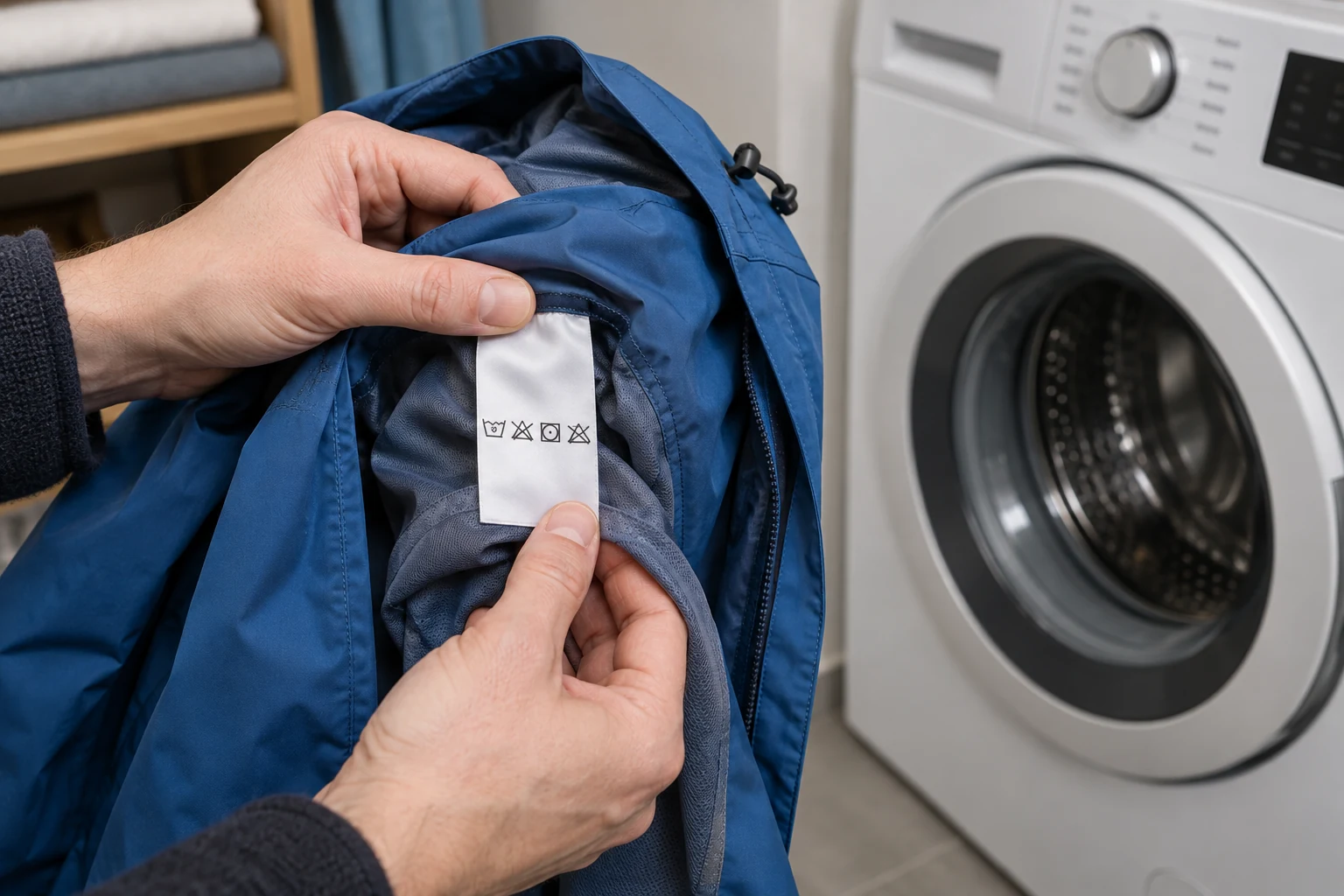
The care label determines washing and drying. Outer fabric, membrane, and water-repellent treatment are different layers of the garment.
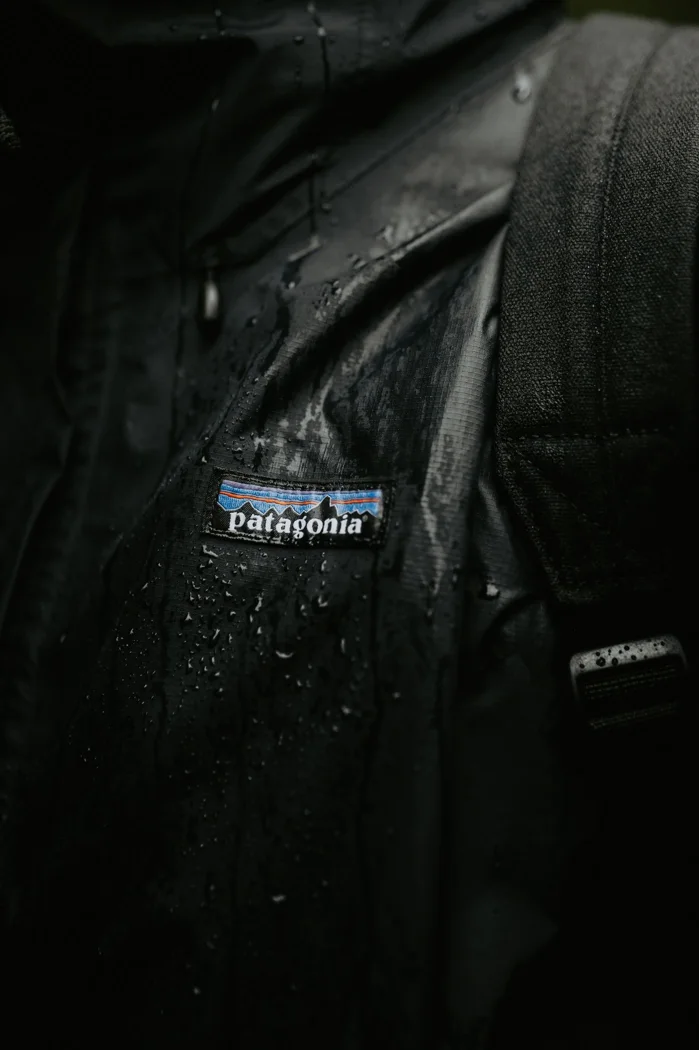
Reduced beading can concern dirt or the exterior treatment. Check cleaning and permitted reactivation before choosing a fresh application.
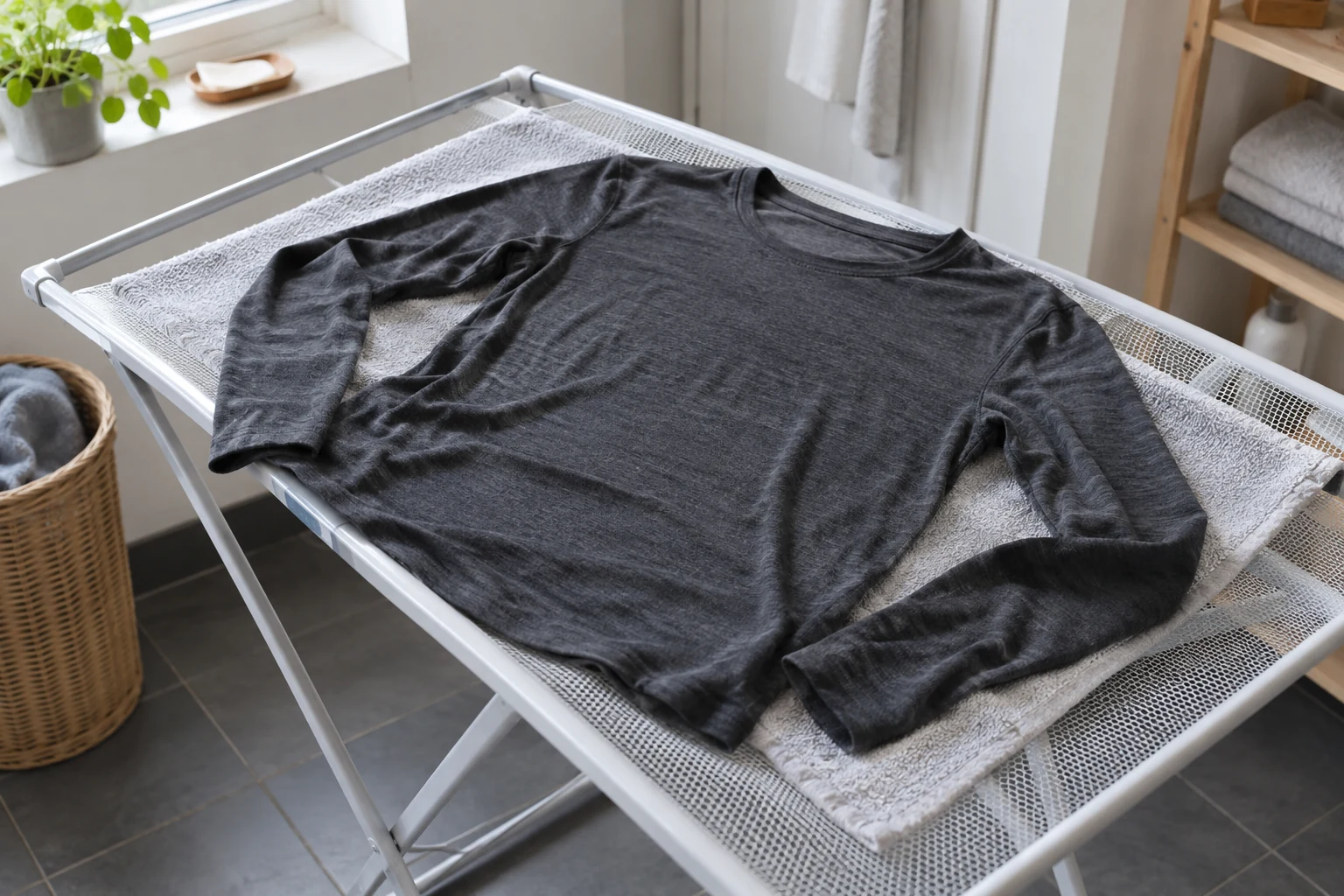
Wash merino by its care label and dry without unnecessary stretching. Blended garments still need their own material and construction check.