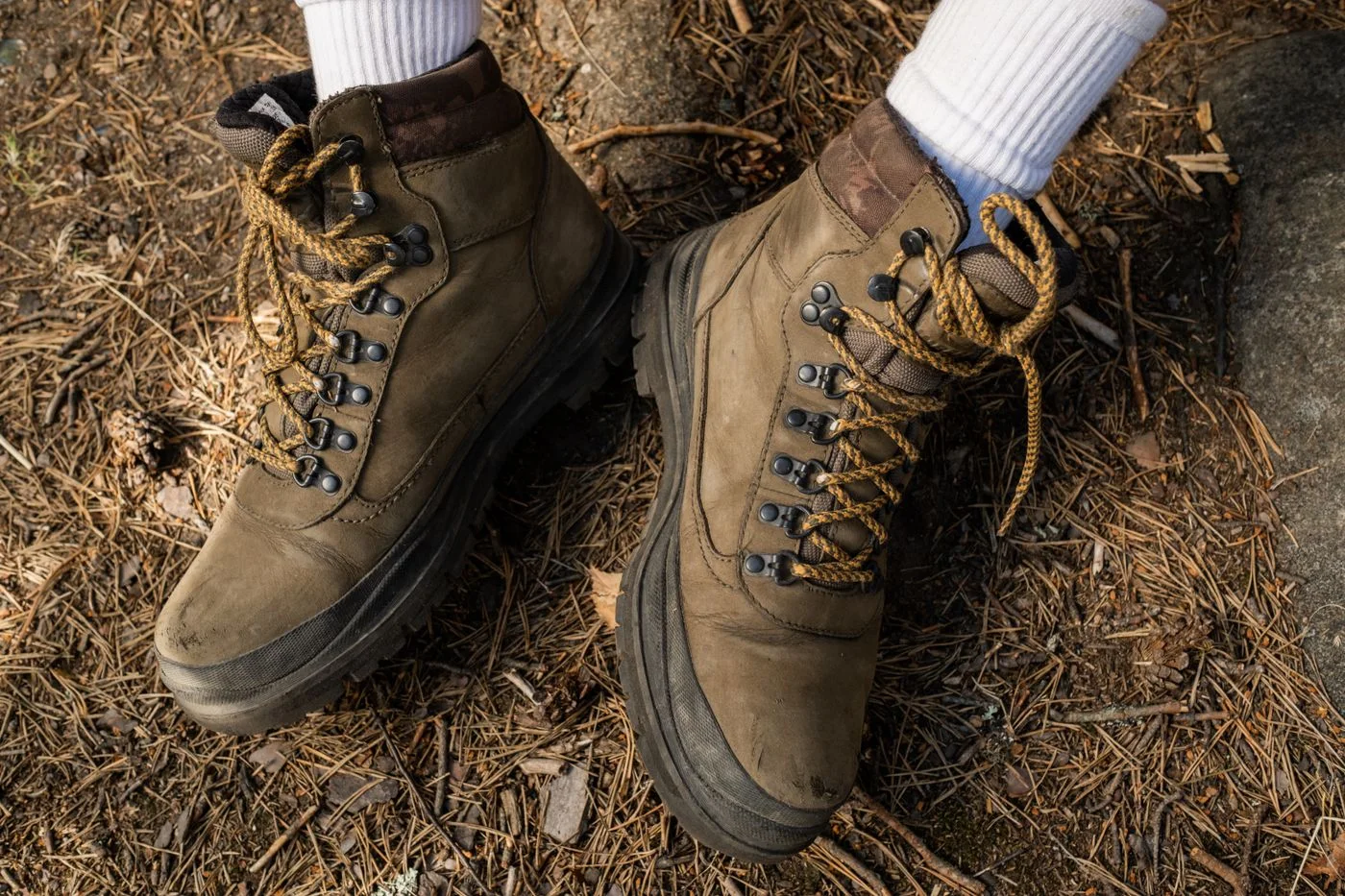
Try hiking boots with your walking socks
Boot fit is easier to judge when socks, lacing and movement resemble the walk you plan to take. Toe space, heel hold and internal volume need to work together.
SUBJECT / 01
Fit, soles and the way shoes and socks work together.
25 articlesBoot fit is easier to judge when socks, lacing and movement resemble the walk you plan to take. Toe space, heel hold and internal volume need to work together.
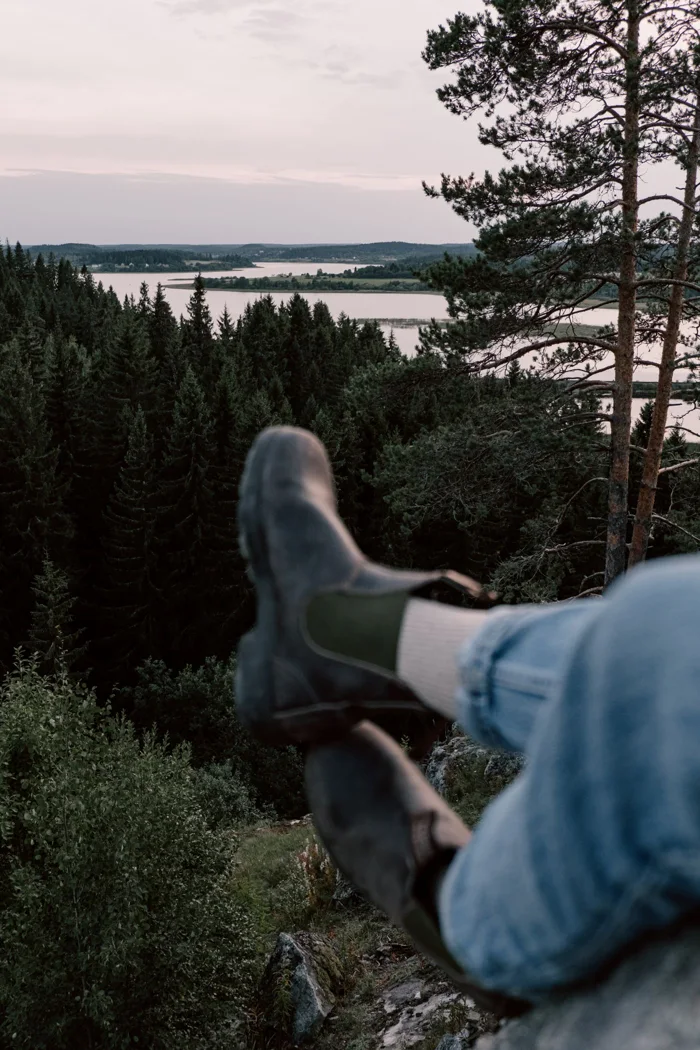
Upper height is only one part of choosing footwear. Trail surfaces, sole construction, fit and your experience help you compare two suitable candidates for the same day route.
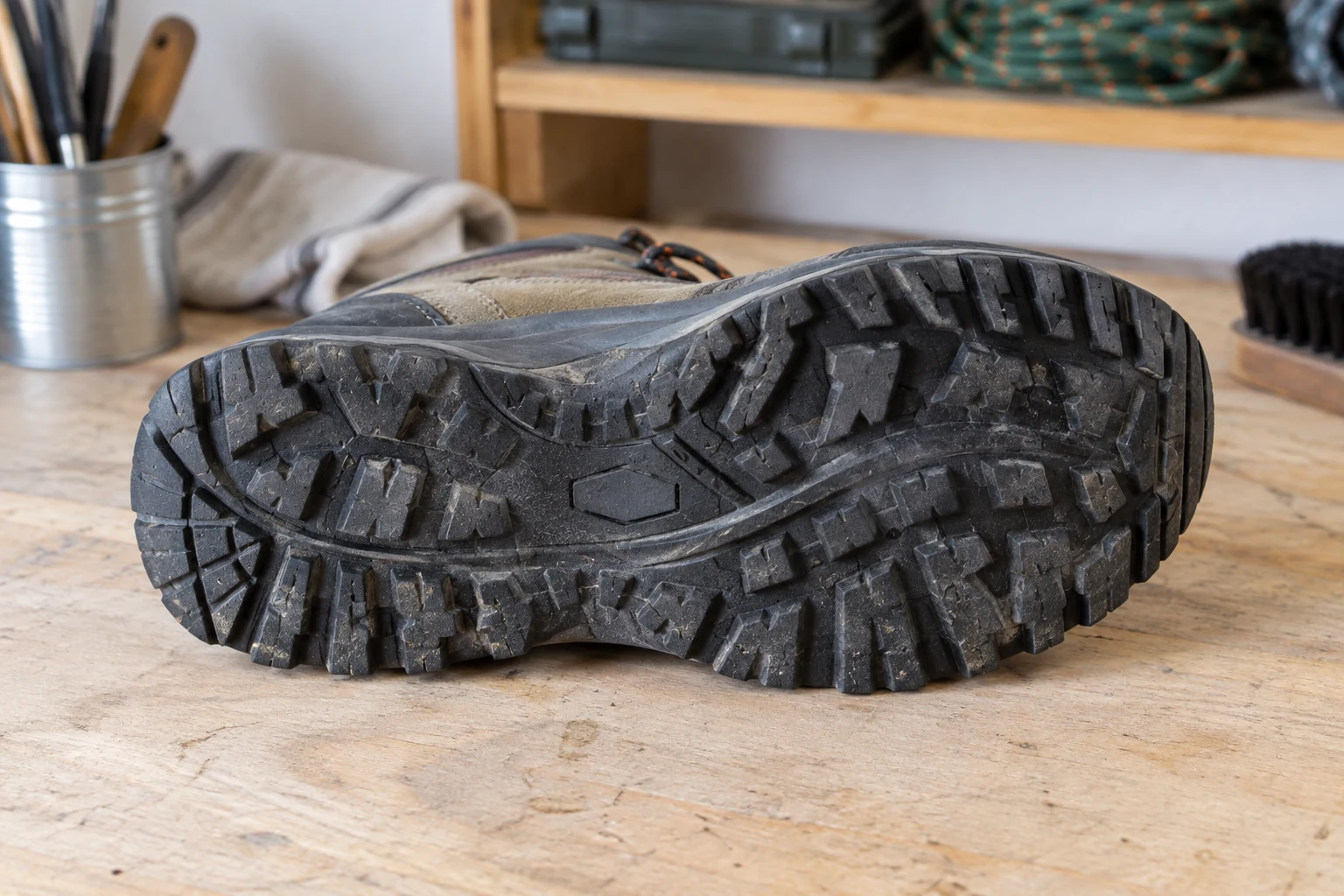
Lugs, gaps and heel shape are visible clues. They tell only part of the story, though: rubber compound, condition and the intended use also belong in an outsole assessment.
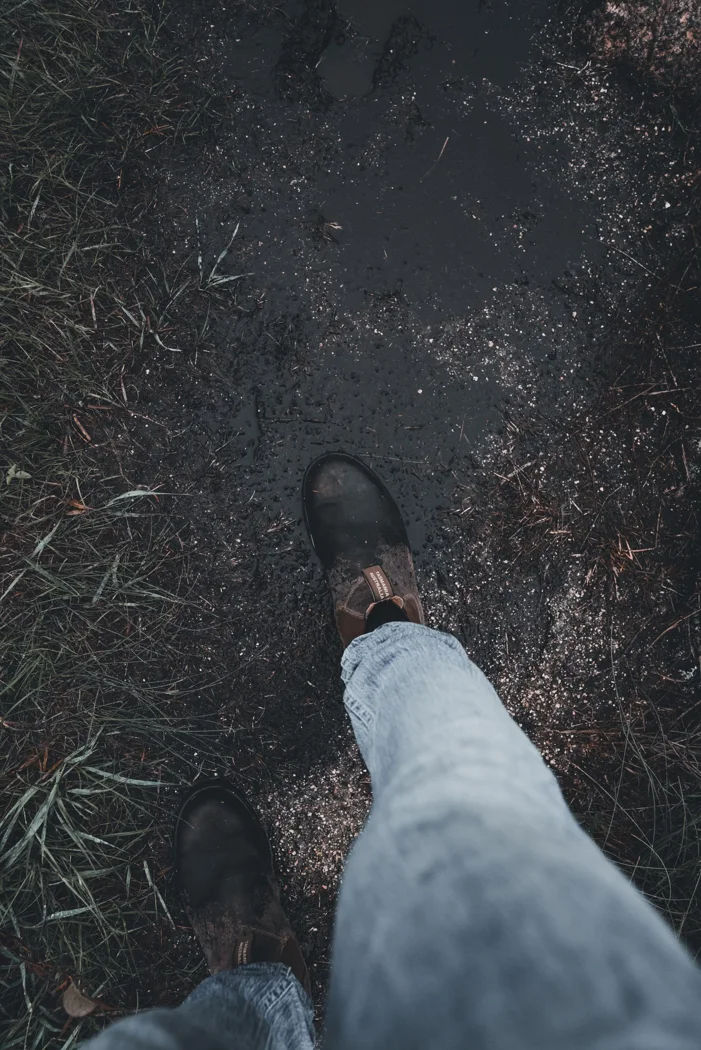
Wet grass raises different questions from a brief shower on pavement. The waterproof construction matters, but so does the way the collar meets your socks and trouser hems.
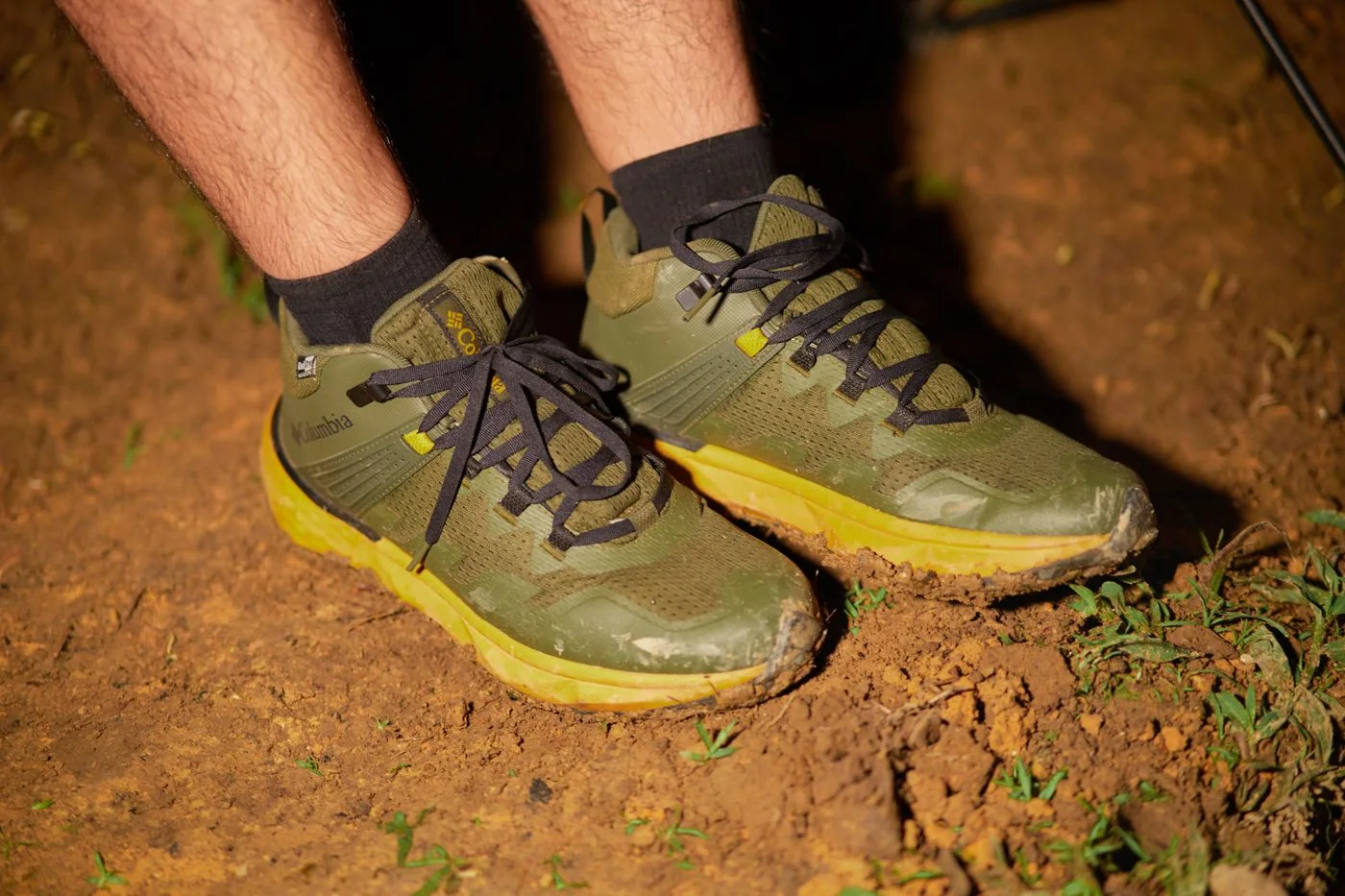
For dry summer routes, examine the upper, lining and the paths you actually use. An airy-looking product photograph cannot tell you how the complete shoe will feel on your foot.
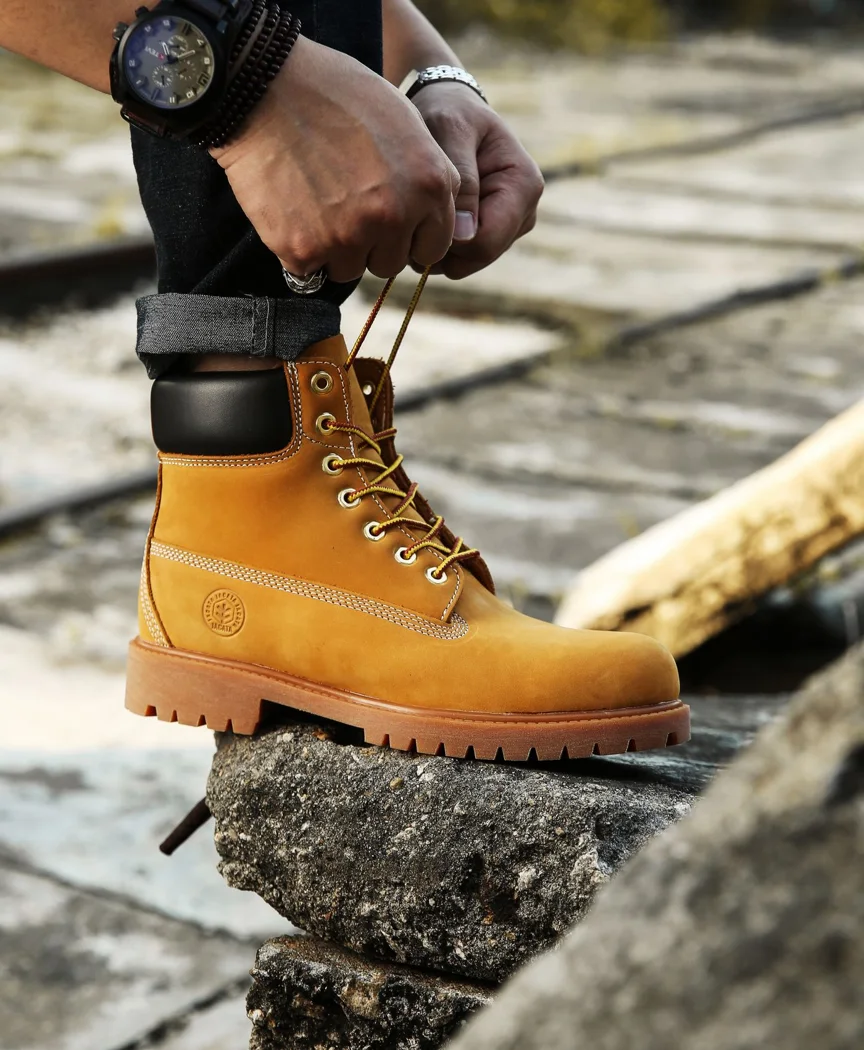
The forefoot and upper need not share the same tension. A suitable two-zone arrangement lets you adjust them more deliberately once the basic shape of the boot already fits.
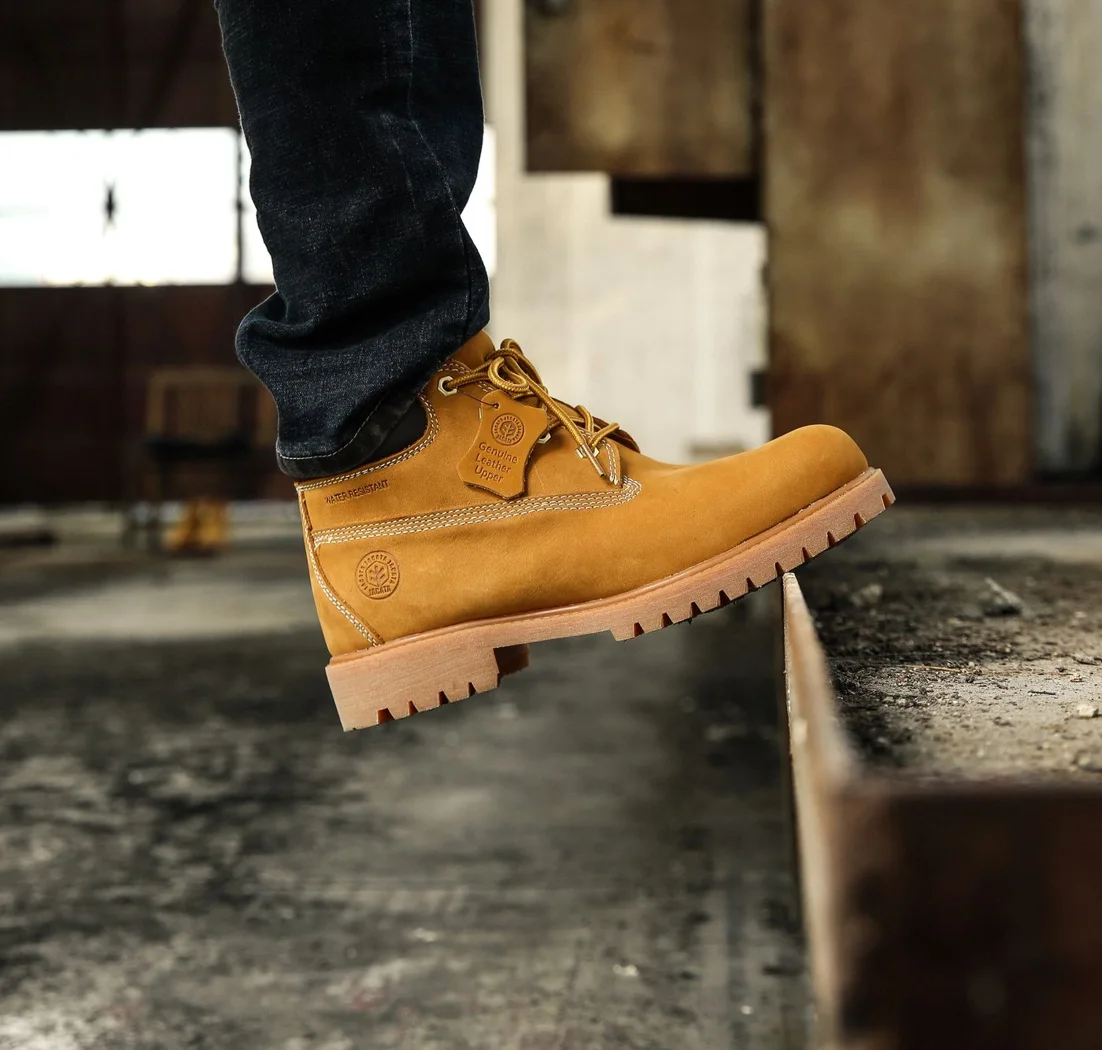
A purpose-made shop ramp reveals something different from a brief level walk. Try both shoes and assess the whole foot's fit instead of relying only on a measurement ahead of the longest toe.
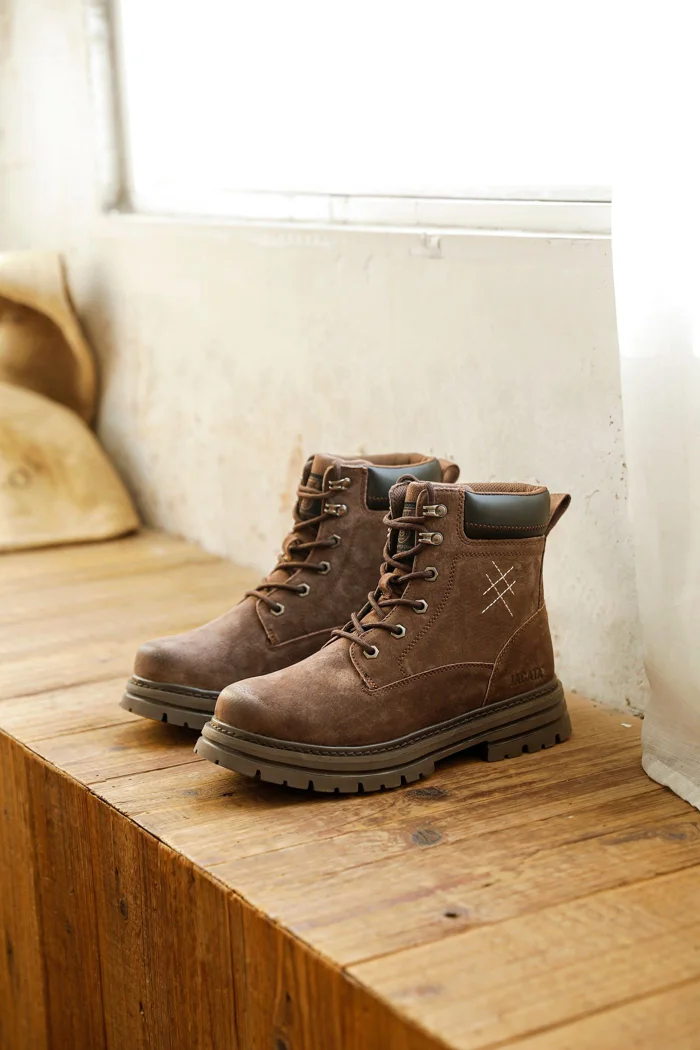
A shoe can be narrow around the forefoot yet roomy above the instep. Precise observations help more than asking generally for a larger size and hoping every part improves together.
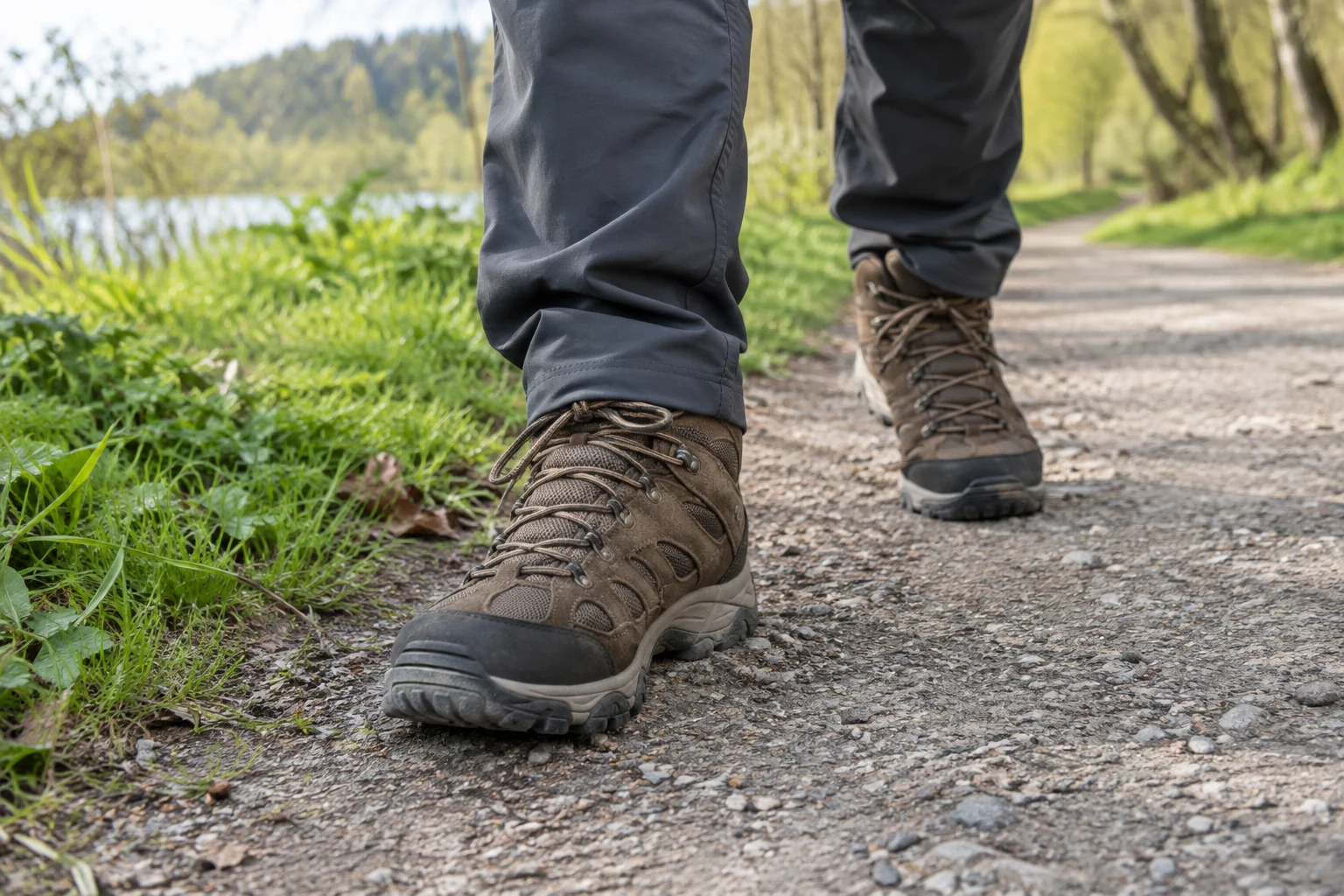
Make the first outing in new boots easy to change. A short familiar route lets you learn about socks, lacing and walking feel before committing the pair to your longest planned day.
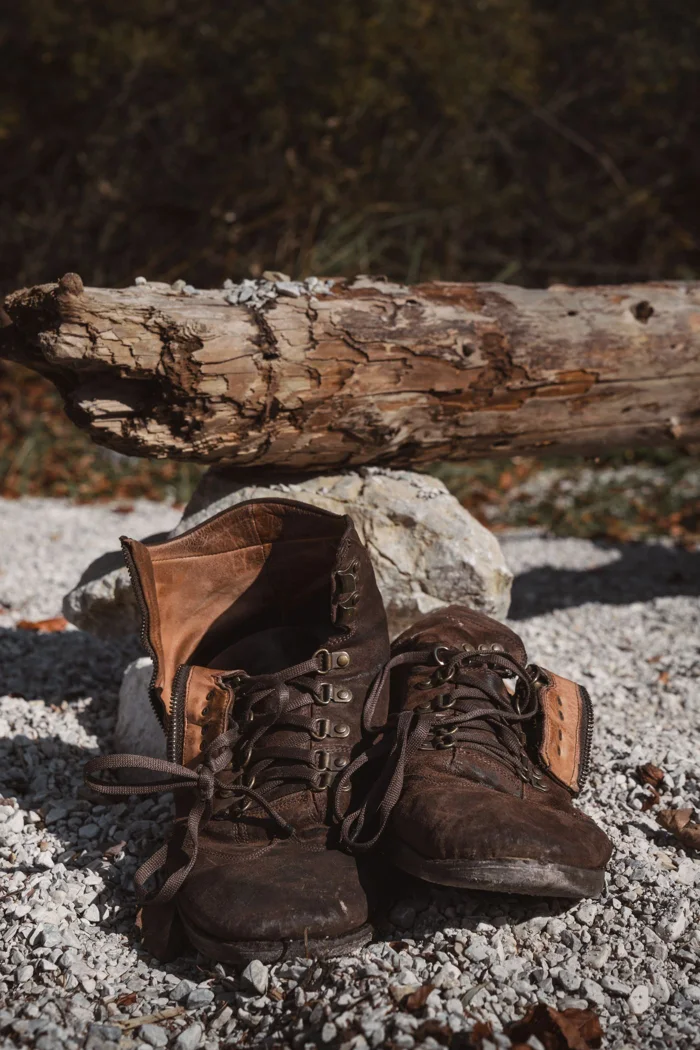
Long firm sections make the way a shoe rolls through a step relevant. Describe the actual surfaces and compare suitable pairs in motion rather than searching only for dramatic tread.
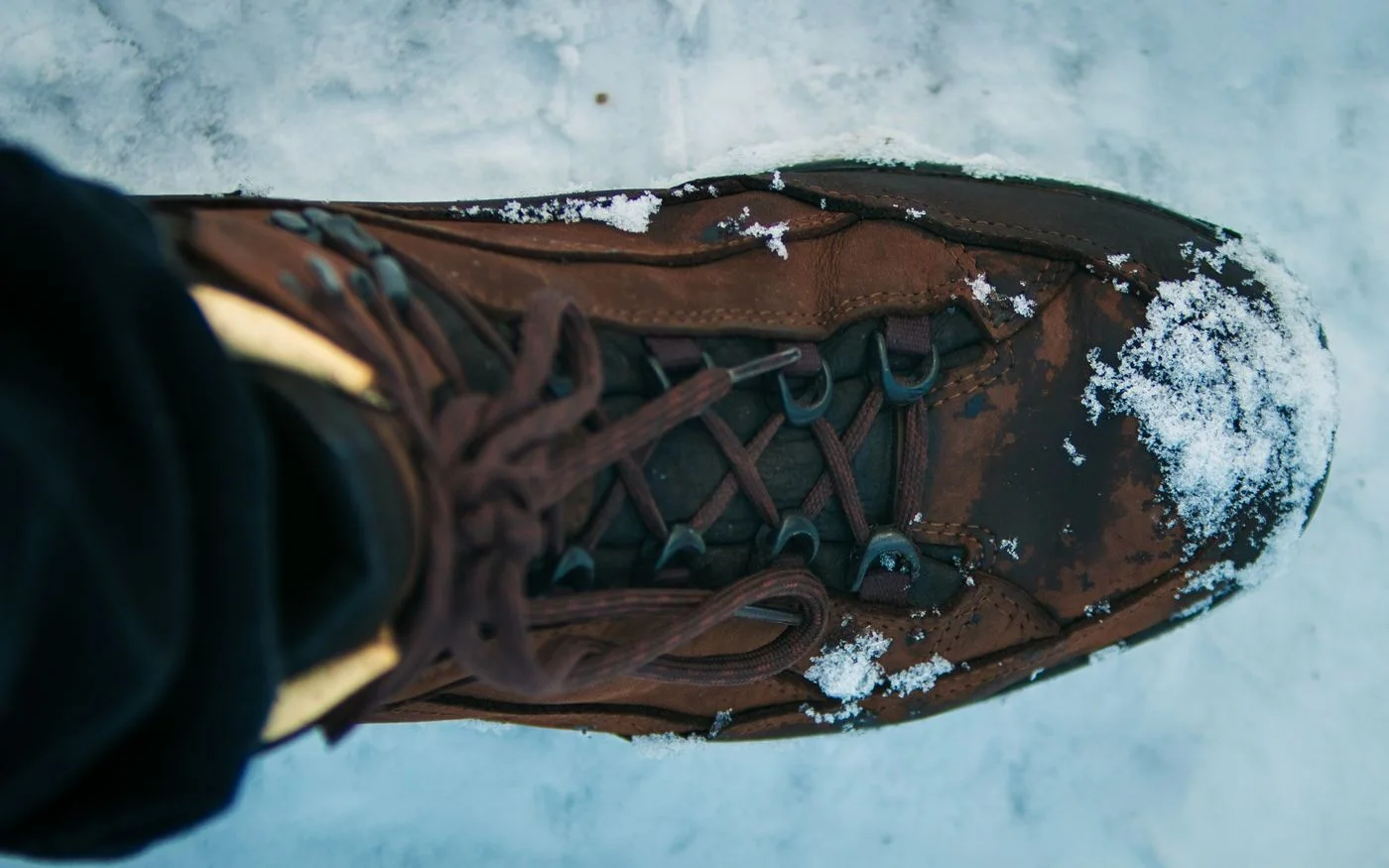
A steady heel and sufficient forefoot room need to work together. Observe the fit in motion and change one part of the lacing at a time before deciding whether another shape is needed.
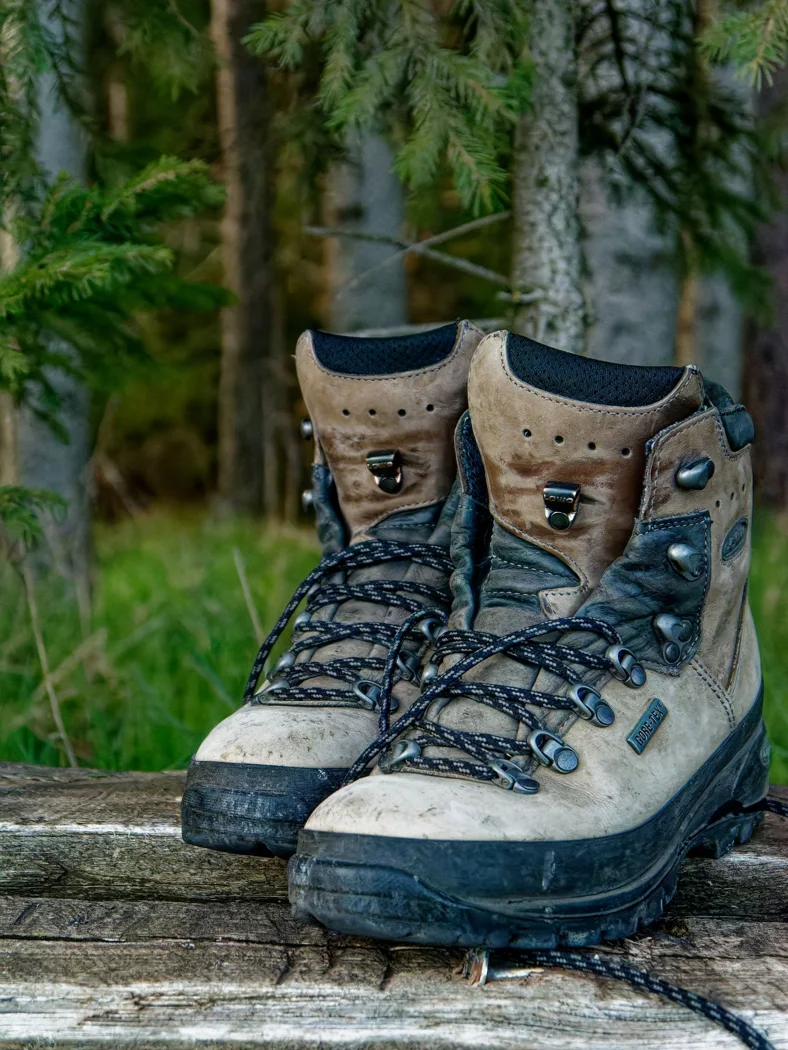
Opening a boot reveals how the tongue connects to the upper. This construction affects handling and deserves attention during a fitting, rather than becoming something you notice only during later care.
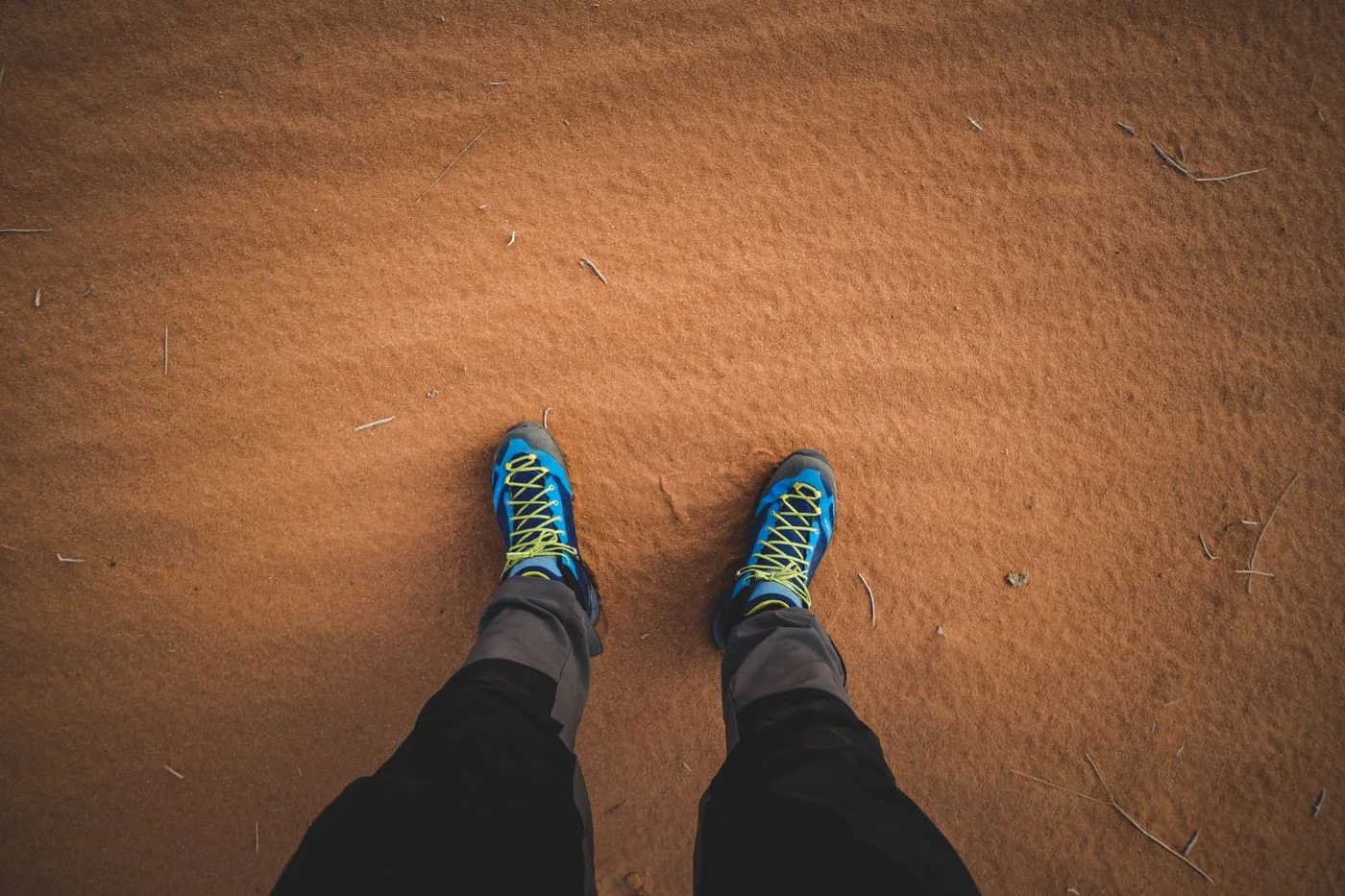
Mixed uppers do not need identical treatment on every surface. Identify the model first and check which products its maker specifies for the leather, fabric and complete construction.
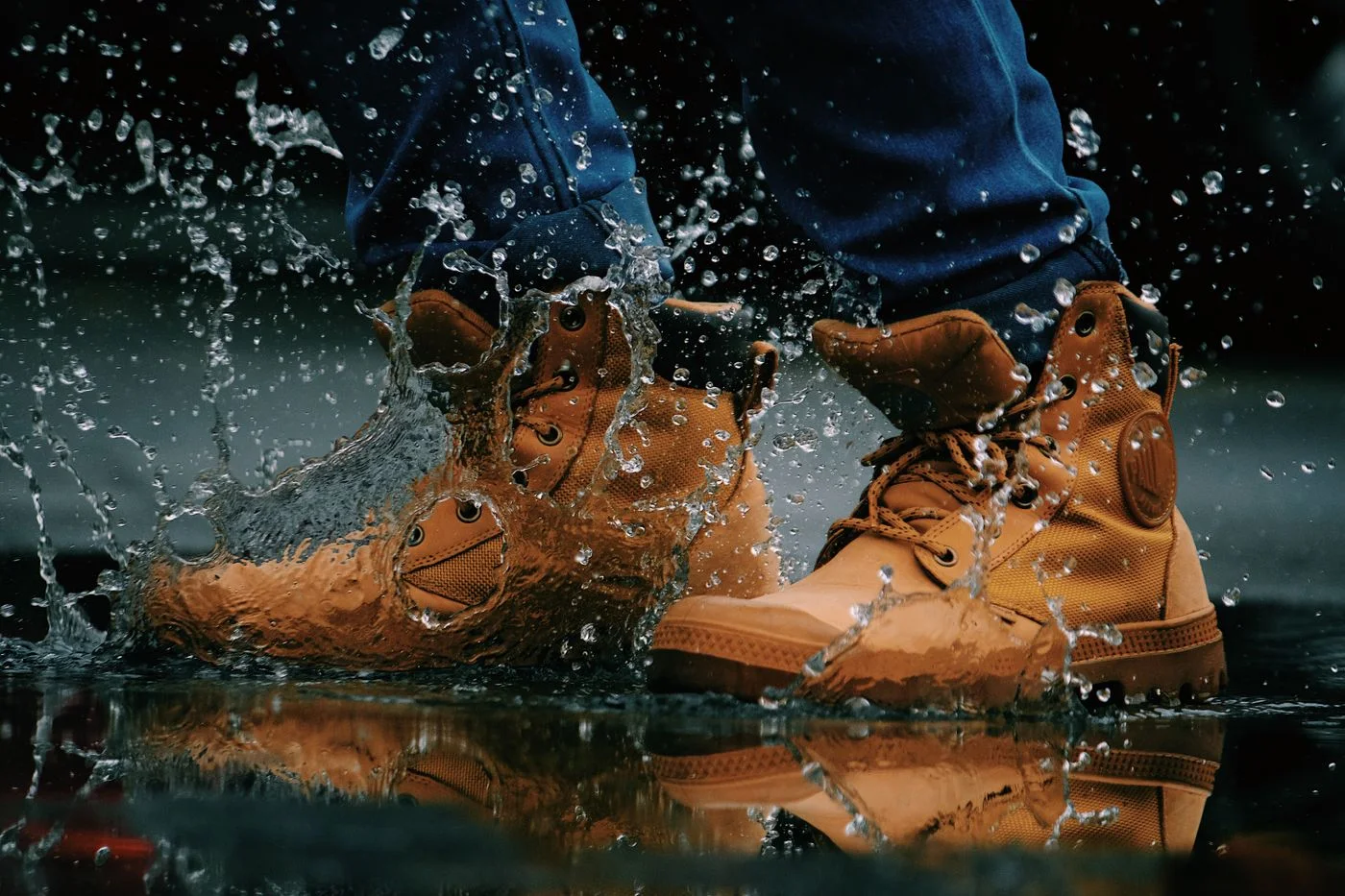
If water no longer beads on the upper, start with the appropriate care instructions. External water repellency and the waterproof construction inside the shoe are different things and need separate assessment.
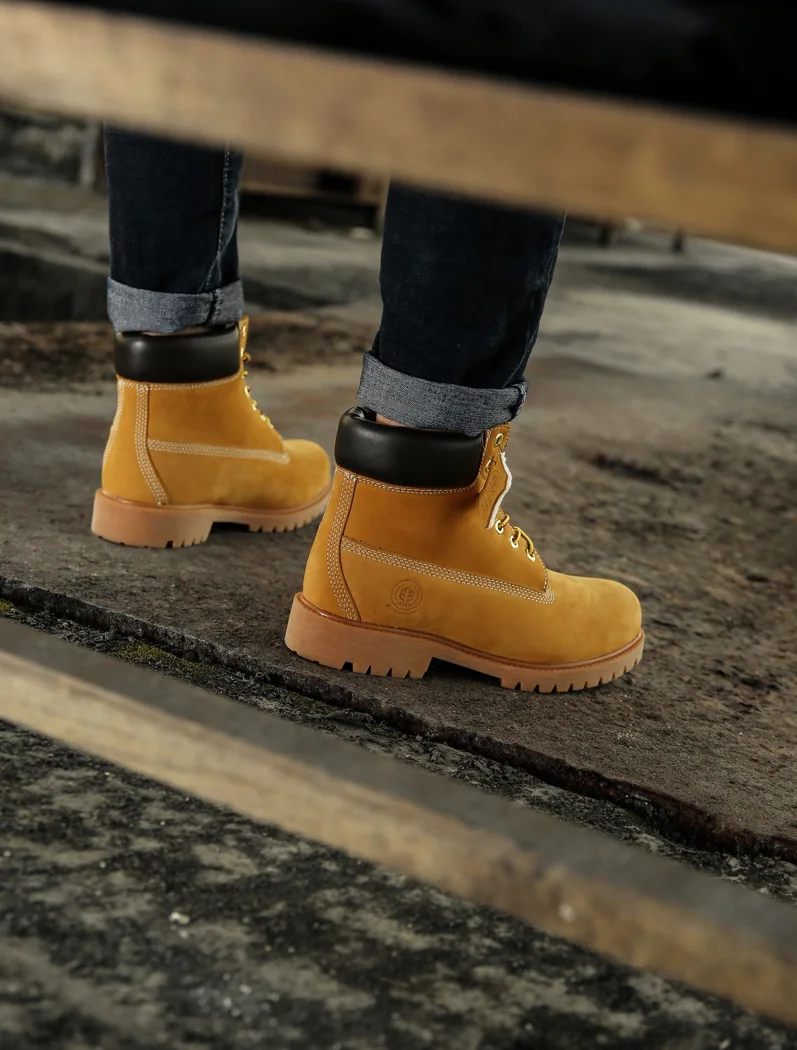
A rarely worn pair still needs attention. Examine tread, sole edges and visible material changes before bringing stored footwear back onto a longer route, leaving time to resolve any concerns beforehand.
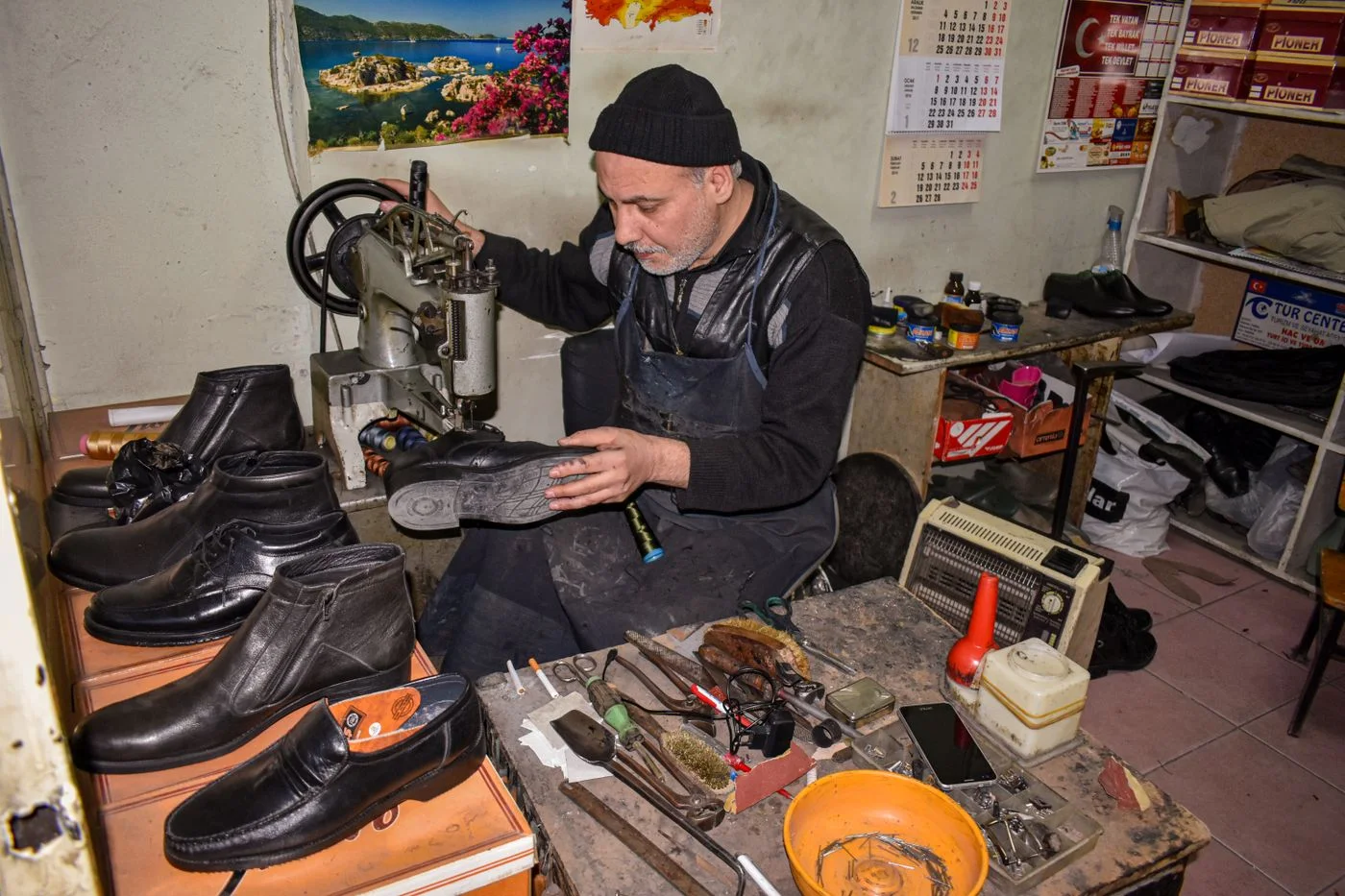
Before arranging a resole, answer three questions: is the model built for it, is the rest of the boot suitable, and will the repaired pair still serve the routes you intend to walk?
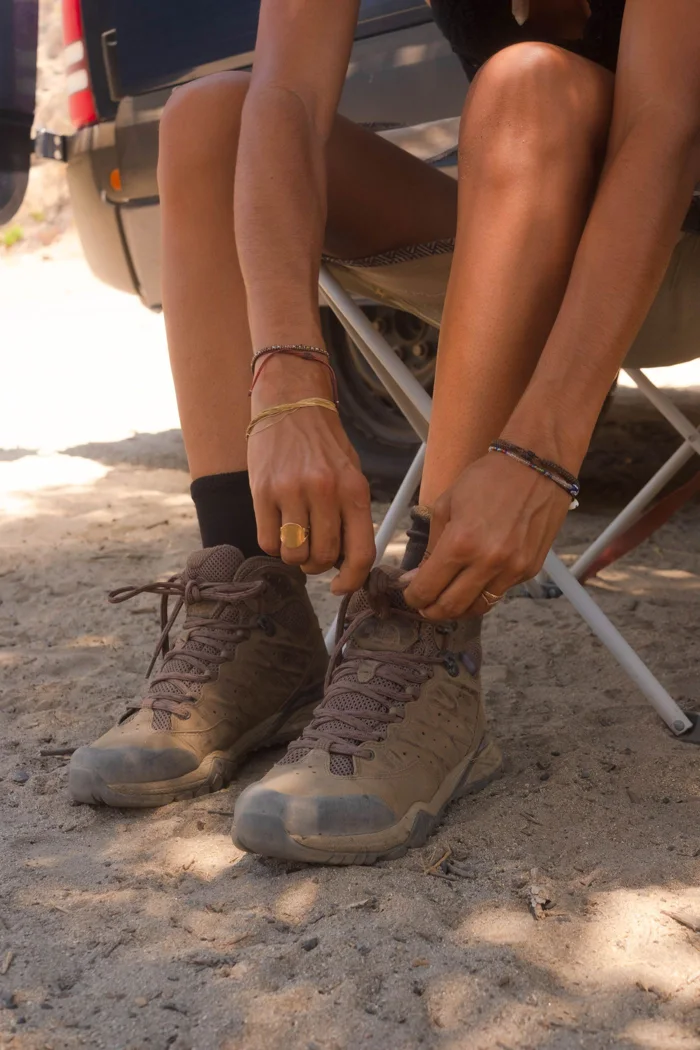
Replacement laces need to suit the route through the eyelets and hooks. Existing length is a starting point, but shape, thickness and the finished closure also belong in the comparison.
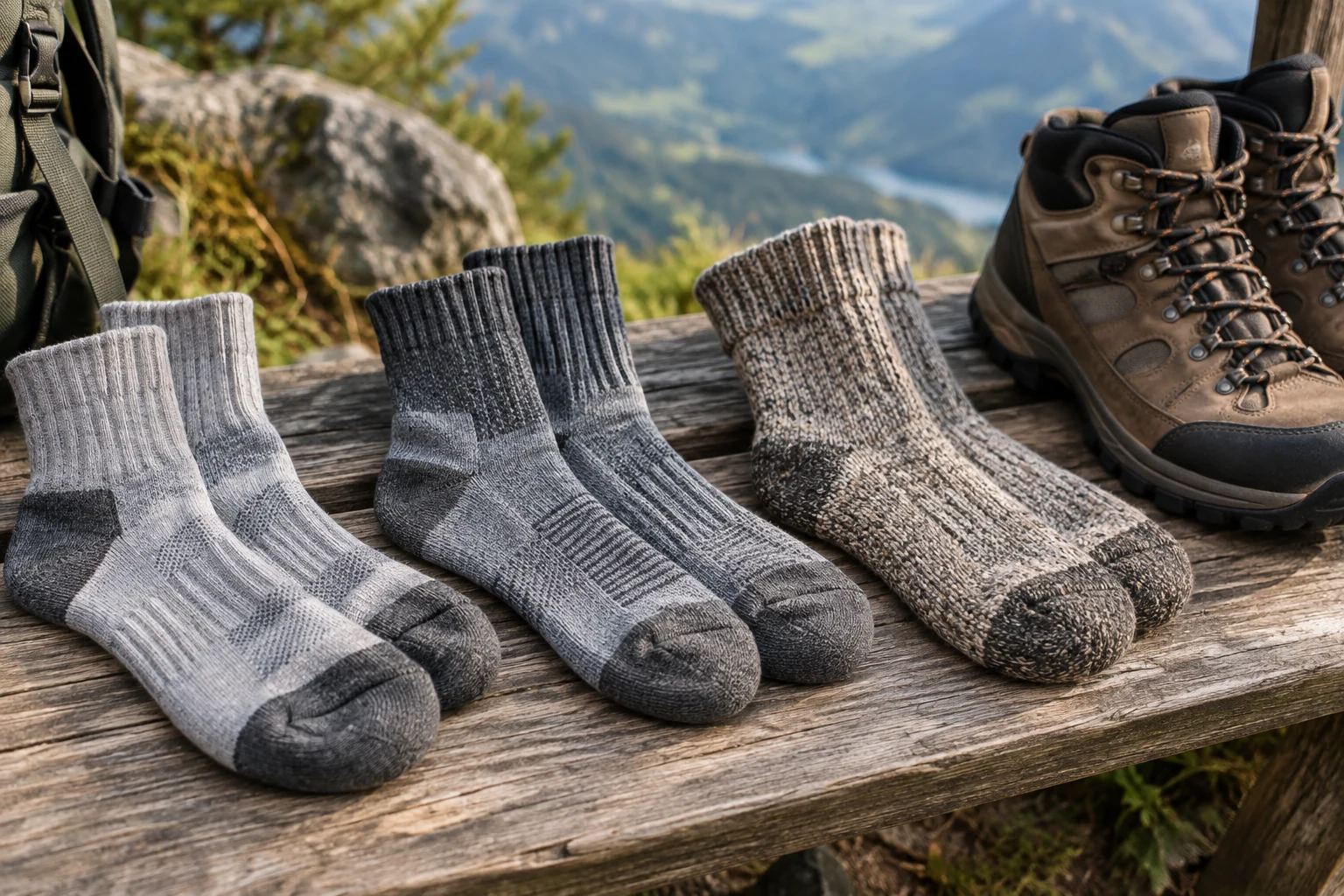
Padding, height and sock shape work together inside the shoe. Look beyond the material name and try the pair with the walking footwear you actually use before choosing several pairs of an unfamiliar model.
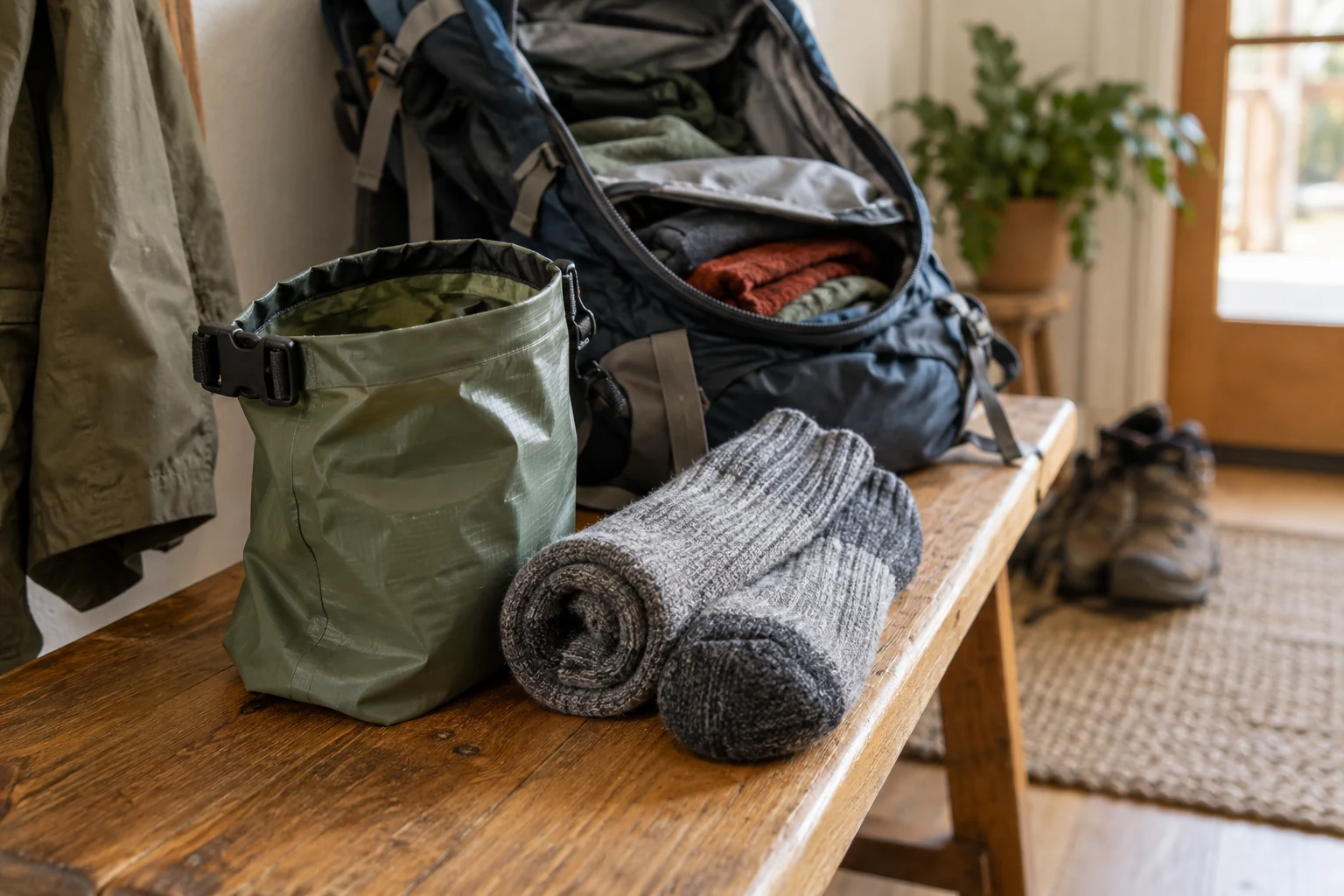
A clean spare pair needs its own place, an appropriate closure and a plan for the socks already worn. Make the packaging easy to identify inside the pack when it is needed.
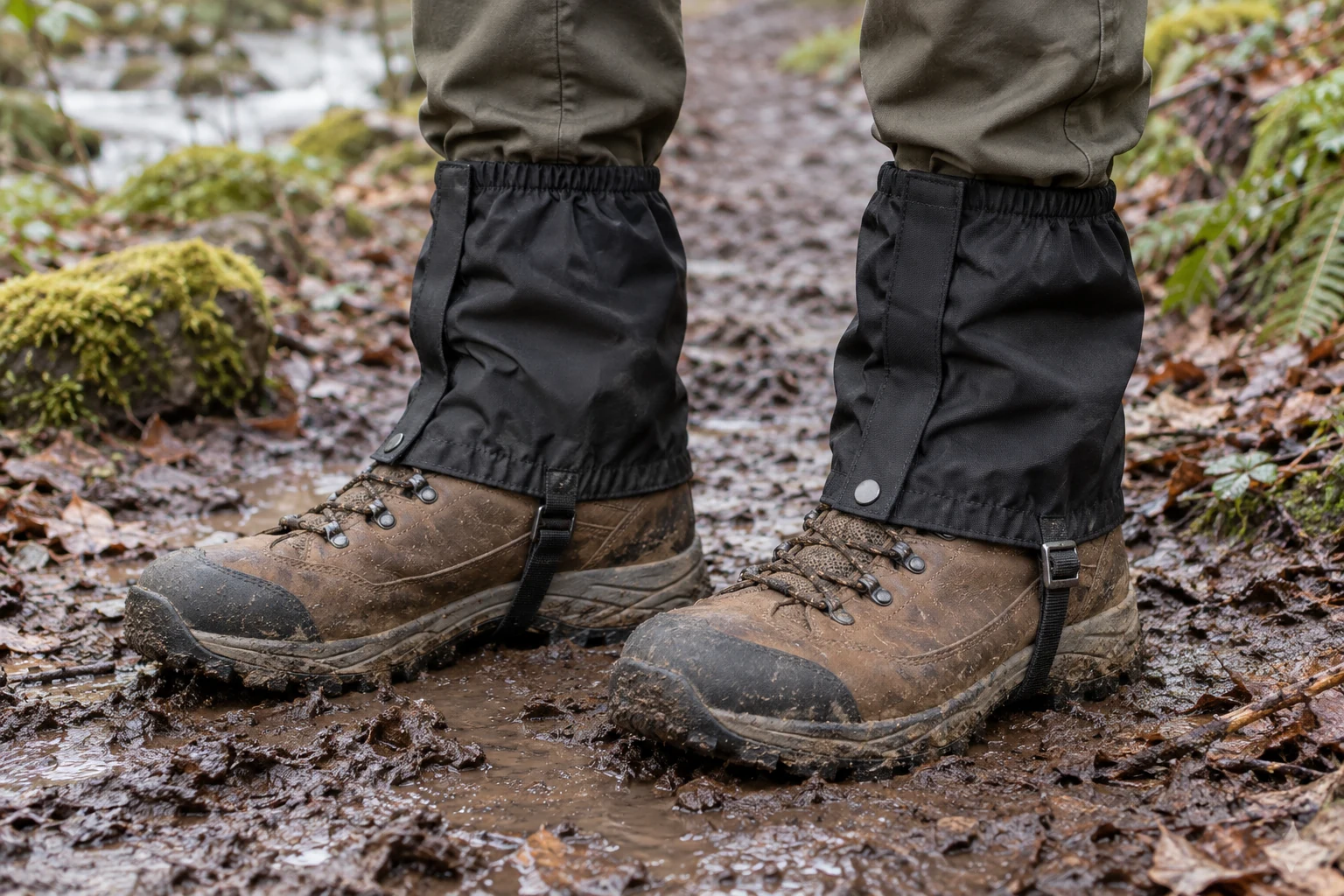
Short gaiters need to suit the shoe, leg and intended protection. Inspect the attachments carefully rather than using height alone to predict how a model will work around mud and wet vegetation.
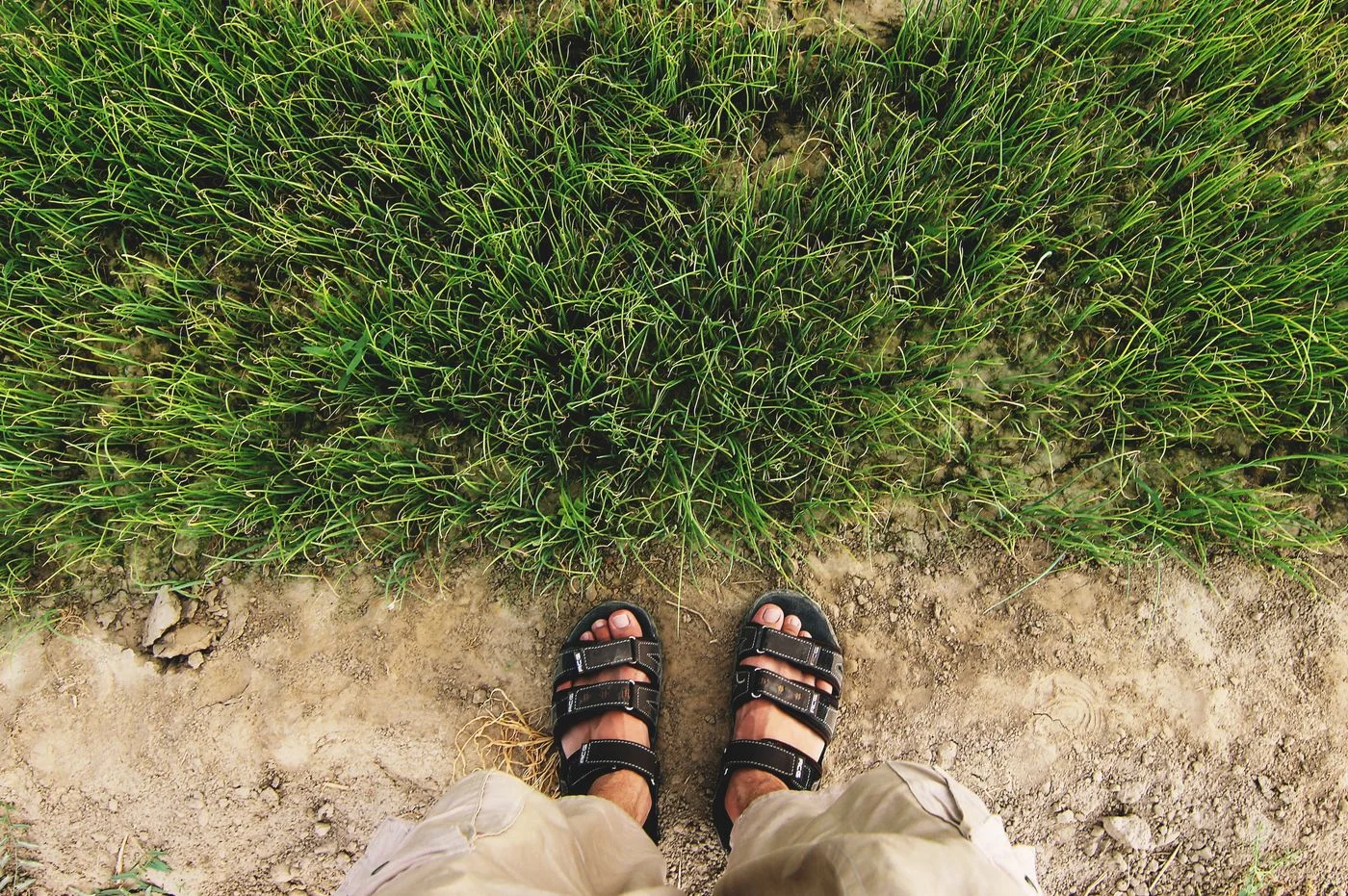
Open or covered toe areas, adjustable straps and fit in motion make substantial differences. Begin with the specific easy route you intend to walk rather than choosing from the sandal's summer appearance alone.
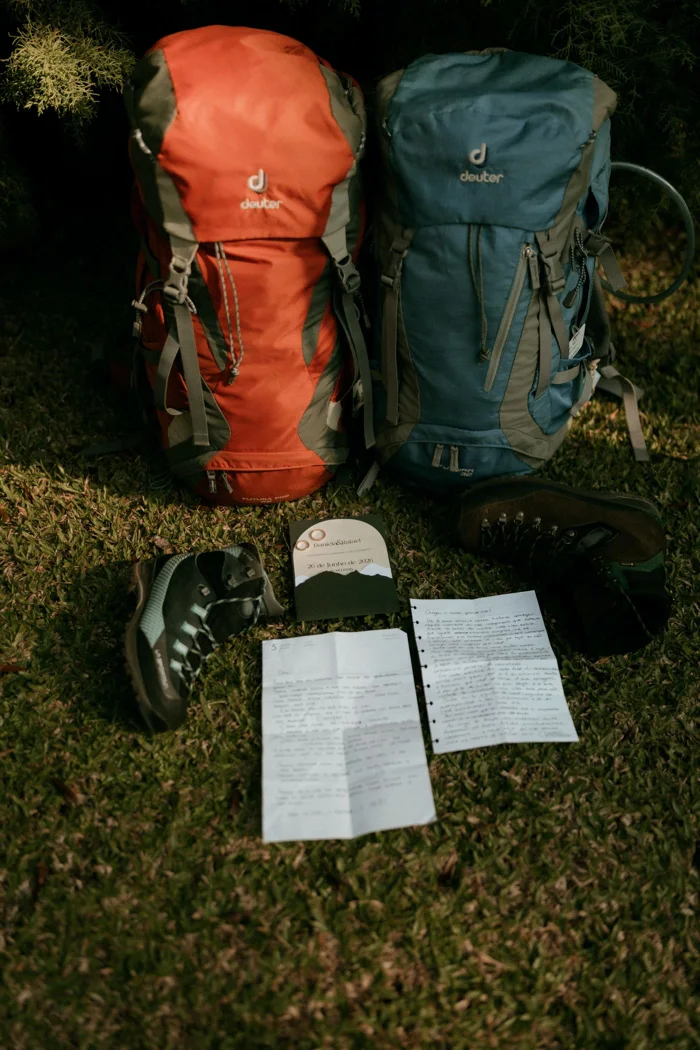
For a short trip, think about what will cling to the footwear and where it sits in your luggage. Plan travel, walking and the return together so clean clothing stays separate from used soles.
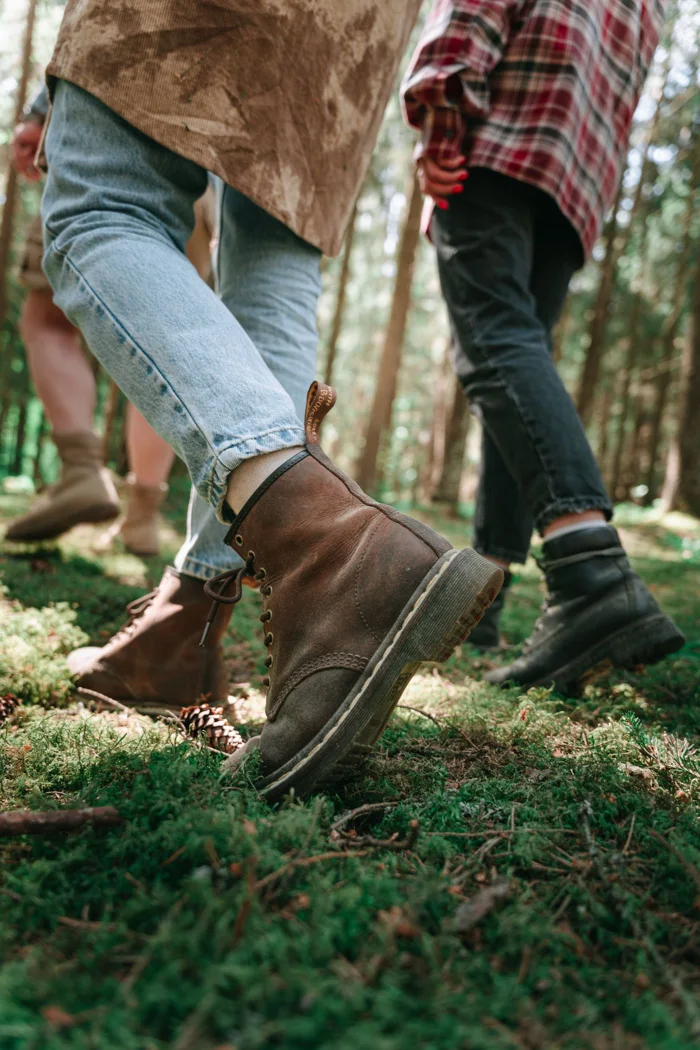
A useful storage place keeps dry footwear accessible and avoids pressure on the upper. The next season still starts with another inspection rather than an assumption that storage guarantees remaining life.
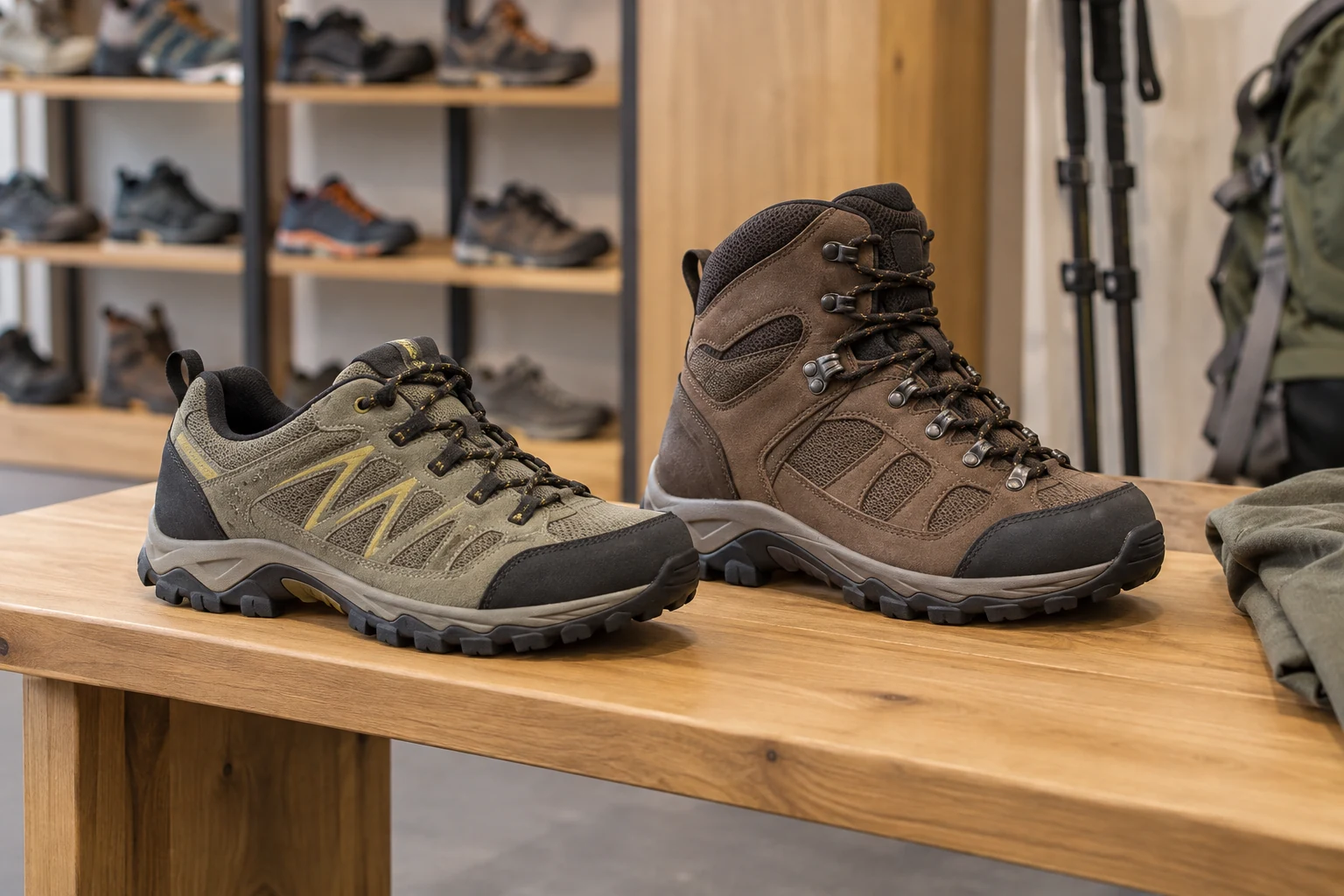
A manageable comparison starts with a specific route description. Keep socks and setup consistent, try complete pairs and record differences that will still make sense once you have left the shop.
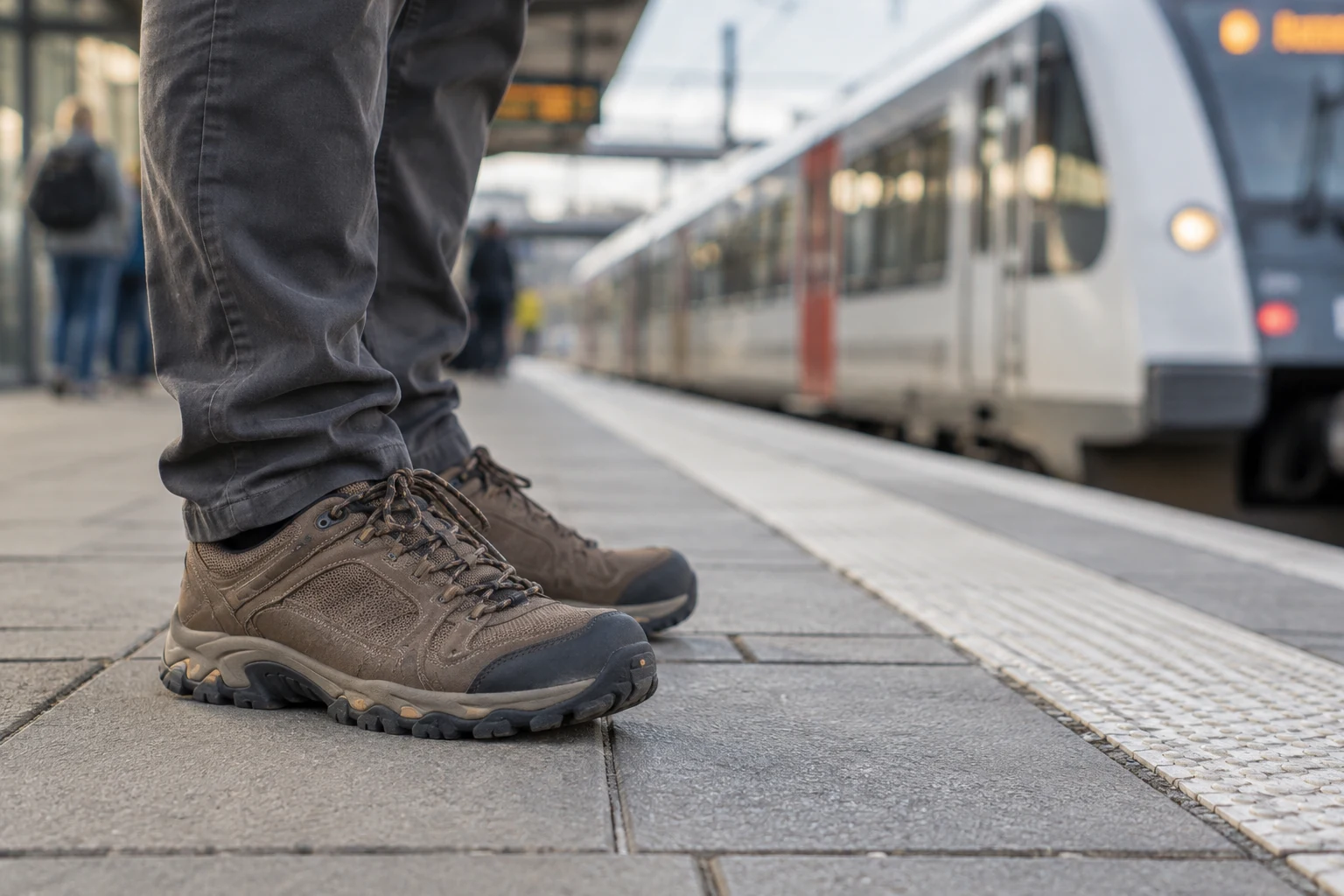
A rail-based walk links platforms, village streets and trail sections. Describe the entire route, while keeping its most demanding unavoidable stretch visible in the footwear decision rather than focusing only on the approach.