Identify what needs to be accessible
A long feature list says little about whether your bottle fits the side pocket. Set out the items you regularly retrieve: drink, snack, map, gloves, and phone. Assign each an intended location before comparing bags. You may discover that a pack has numerous compartments while lacking one useful place for your routine.
Try side pockets with the bottle you actually use. Height, opening angle, and compression straps can change access. A pocket should not immediately lose its contents when you put the pack down. Equally, do not assume every side pocket can be reached while wearing the bag. If retrieval requires stopping and taking it off, the process should at least be straightforward.
Closed, open, or stretchy?
A zipped pocket suits small objects that must not fall out unnoticed. Keys need a secure location; a key clip is helpful only when properly attached and designed for that purpose. An open stretch front pocket may instead accommodate a quickly removed layer. It is not a substitute for a closed valuables compartment.
Do not place dense items in a stretch pocket simply because the fabric expands. Check its attachment, retention, and intended use. A damp jacket may sit there separately from dry contents, but muddy or dripping clothing still needs an appropriate barrier if it would contact other belongings.
Organization without needless duplication
An organizer can separate money, pens, and everyday accessories. On a walk, however, it occupies space even when unused. Consider whether one removable pouch better suits a mixture of town and trail use. Designs such as deuter's Walker illustrate how fixed organizers and detachable pockets can be combined differently.
More internal divisions do not automatically create clarity. Five similar-looking little pockets may take longer to search than a simple compartment with two clearly assigned bags. Decide which items genuinely need separation. Clothing can share space, while damp belongings, sensitive electronics, and loose small pieces have different requirements.
Try the controls with your normal clothing
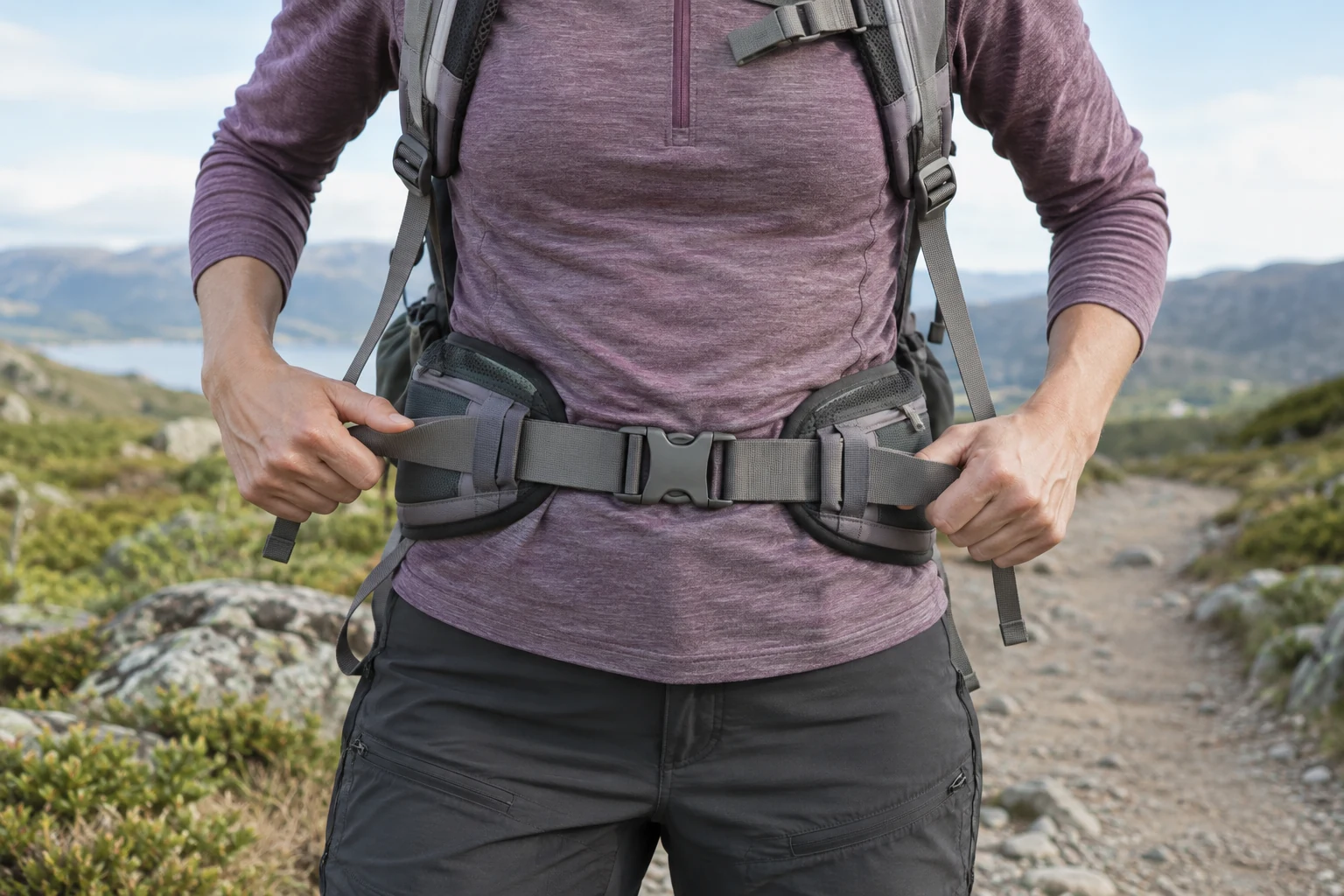
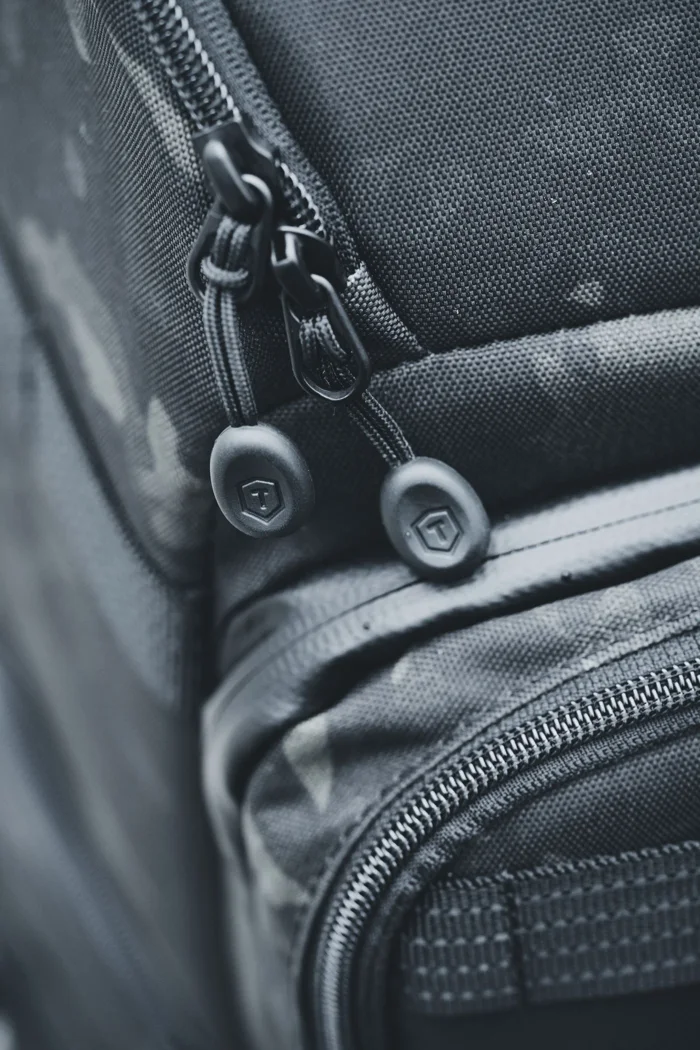
Open the pockets while wearing your usual outdoor layers. Can you grip the zip pulls? Does the hipbelt block a compartment? Can you return the bottle securely without lifting the contents above it? Check access with the pack on the ground too. A pocket is only an advantage when you can actually use it.
Finally, retain a consistent location for frequently used small objects. No particular pocket layout is compulsory. The useful arrangement supports your sequence of walking and stopping. If you must reinvent it every outing, either the allocation is unclear or the available shapes do not suit your belongings.