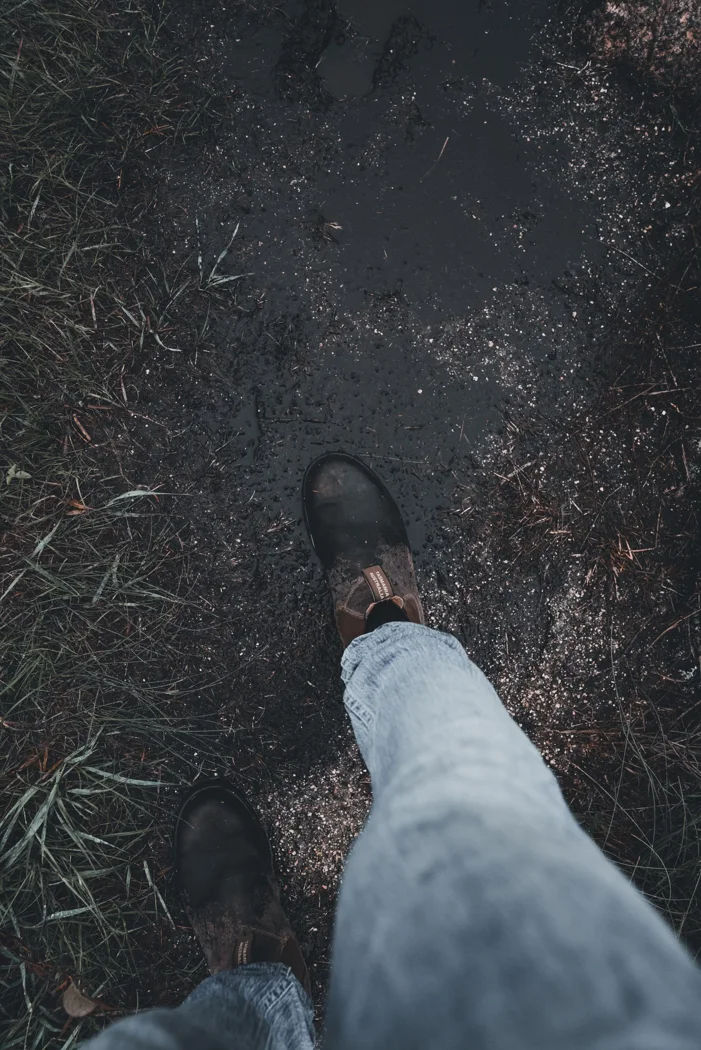
A walk lasting one day can include surfaced paths, muddy tracks or rocky sections. The phrase “day hike” therefore says too little to choose footwear by itself. Start with the route you actually intend to follow. It then becomes useful to ask whether a low shoe or a boot with a higher upper fits those requirements better.
A low upper tells you little about the sole
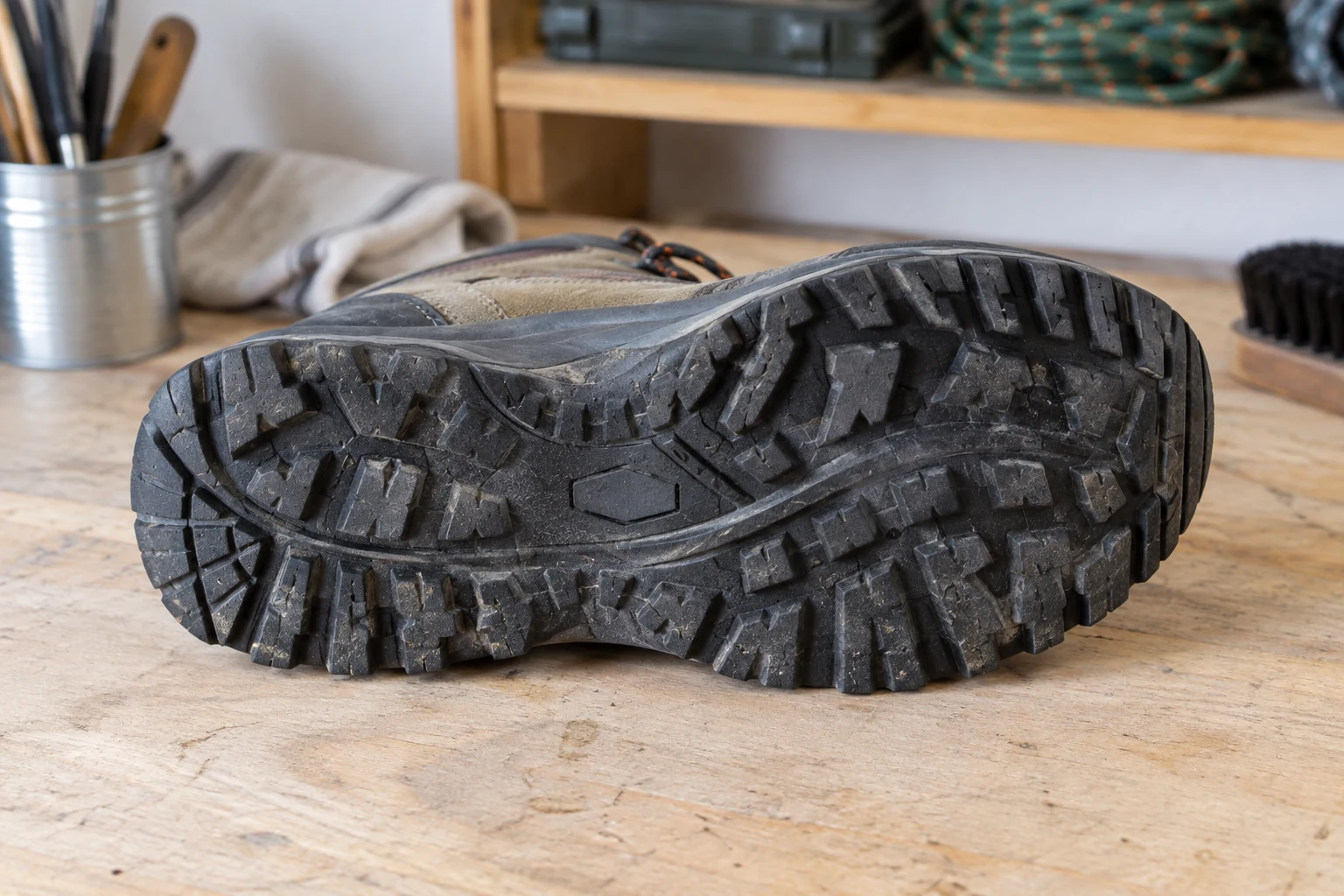
Two low shoes that look similar can feel quite different when walking. One may flex readily, while another has a firmer construction intended for more precise use on rock. HANWAG's own footwear categories distinguish shoes partly by sole stiffness. A low approach shoe is not automatically equivalent to a soft shoe intended for park paths.
Bring a short description of your common routes to the shop: approximate surfaces, the proportion of paved walking, typical uneven sections and what you carry. “Mostly gravel, little rock and a light daypack” is more useful than “something for outdoors.” Ask to compare two models for that profile rather than treating everything with a low upper as one group.
What a higher upper changes in use
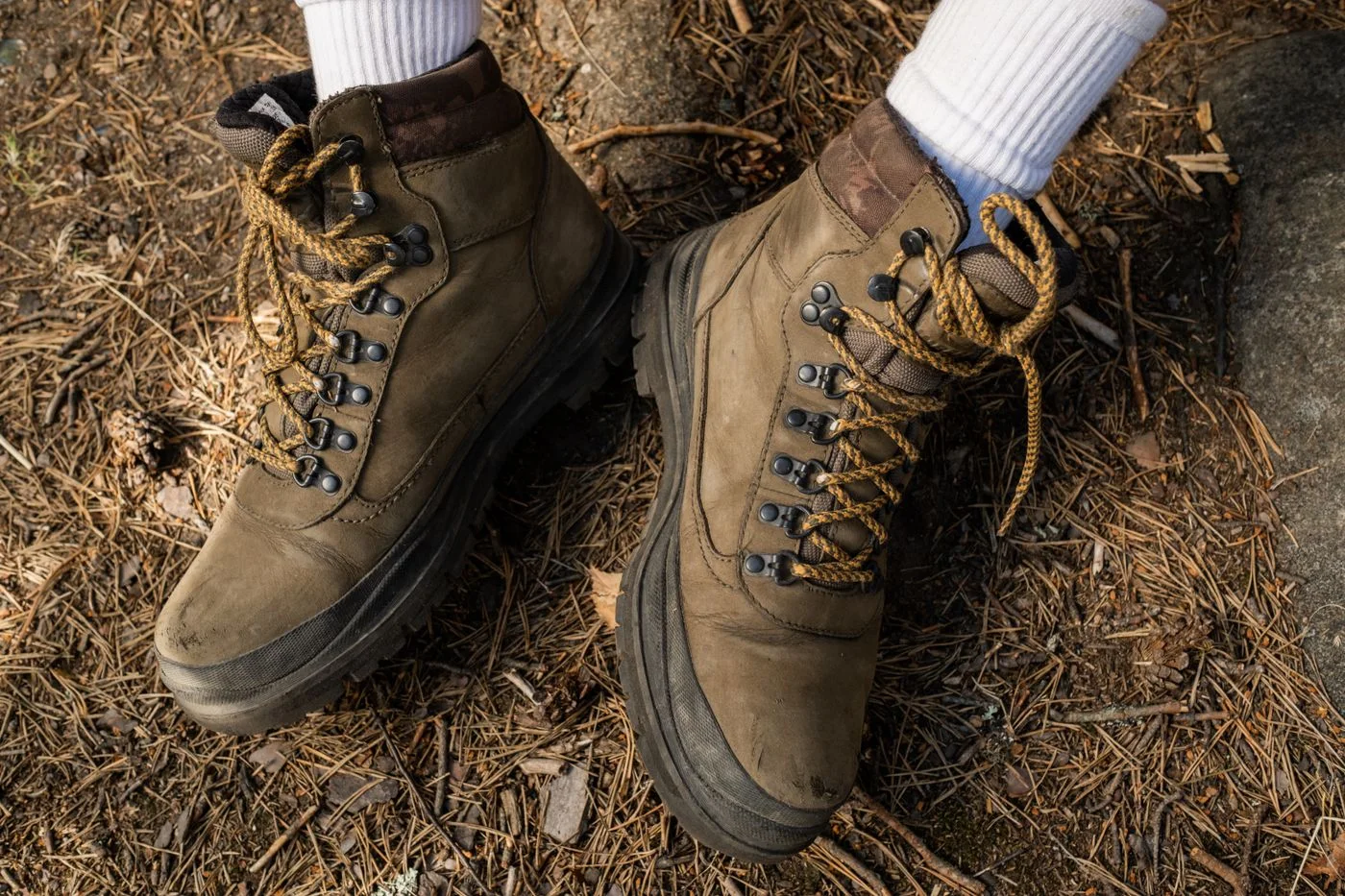
A higher upper covers more of the area above your foot. You may appreciate that on paths with tall grass or loose material. It also adds another contact area whose fit needs checking. Walk up a suitable shop step: does the collar pull uncomfortably, or can the intended lacing system adjust it satisfactorily?
A high boot does not guarantee protection against a misplaced step or replace appropriate route selection. If a surface makes you uneasy, a higher upper should not be your only response. Consider the route, weather and your experience too. When comparing footwear, look for a model you can control comfortably under suitable test conditions.
Check how your trousers sit as well. A narrow hem may lie differently over a mid-height boot than over a low shoe. Try the combination you expect to wear. This avoids mistaking a comfortable fitting in isolation for a walking outfit that works as a whole.
Keep the comparison consistent
Wear the same socks in both candidates and try each as a complete pair. Compare the walking feel, heel hold and freedom of movement in turn. Wearing one model on the left and another on the right may give an initial impression, but it does not reproduce walking in either pair. Remember one specific observation before changing.
If weight matters to your decision, compare equivalent figures. One maker may list a single shoe while another lists a pair. Reference size and equipment can differ too. Weight contributes information; it does not compensate for a shape that fails to fit your foot.
Let your usual route guide the choice
Someone walking mainly on maintained woodland and field paths does not automatically need footwear designed around a rare, much more demanding outing. A substantially different route may require a separate footwear decision. Equally, a short paved approach should not distract from the longer difficult section that follows it.
Choose the candidate whose intended use, fit and adjustment work together. This decision need not cover every future hike. It needs to suit the routes for which you are buying the pair and leave the limits of that choice clear.