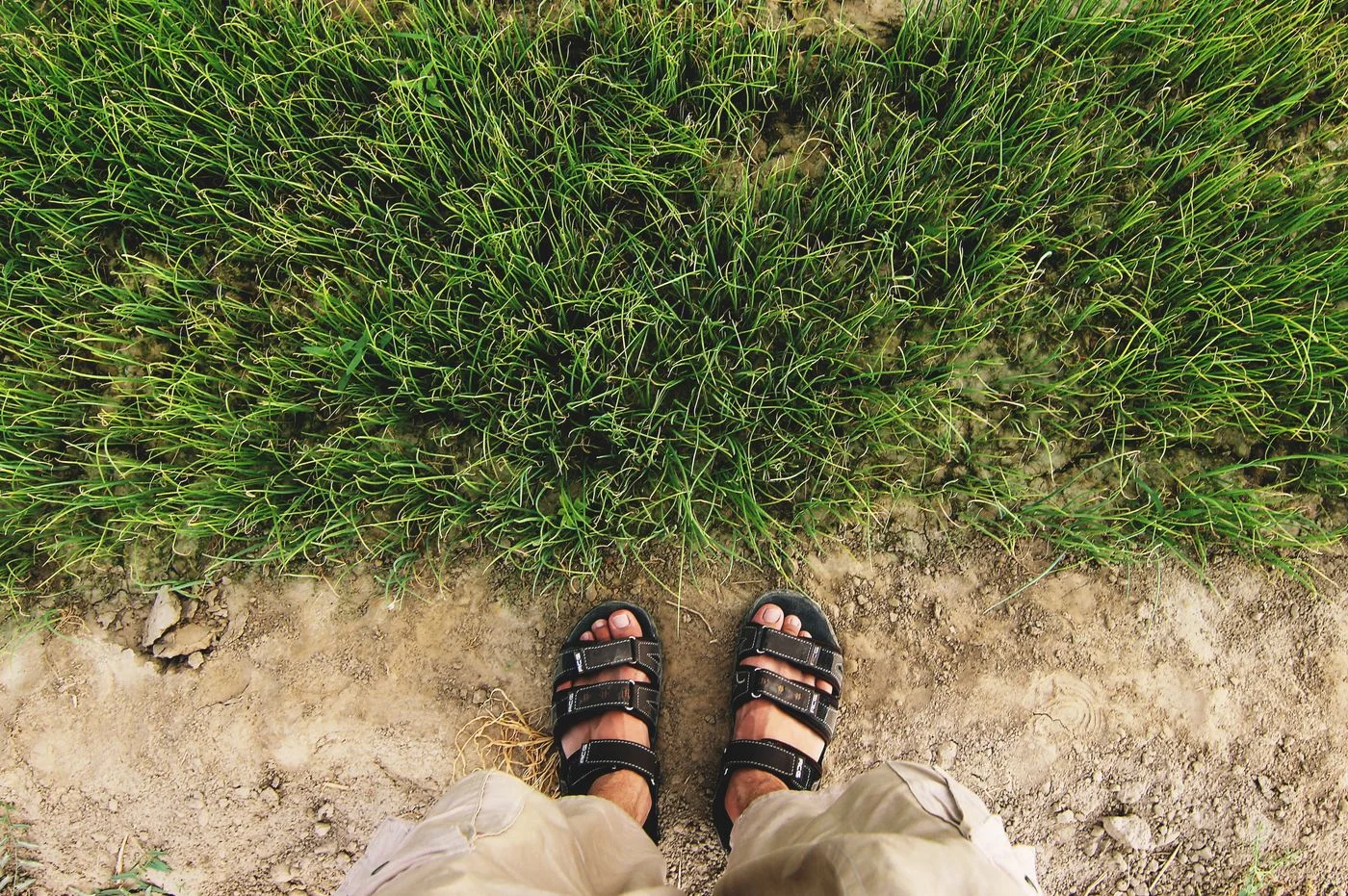
A sandal for a gentle summer walk needs to remain securely positioned around your foot. Neither a sporty appearance nor an outdoor label establishes suitability. Start with a familiar easy route and compare designs the maker describes for a corresponding use. A sandal is not a universal replacement for every walking pair you already own.
Choose the toe area deliberately
Some designs are open while others partly enclose the toes. KEEN's sandal overview includes both arrangements. Consider the contact likely on your route and how much open area you want. A covered front changes the construction without turning a sandal into a fully enclosed shoe.
Stones or vegetation can reach the foot through open sections. Include that when selecting the route rather than considering it only during cleaning. Pay attention to narrow overgrown stretches and loose surfaces. If the chosen sandal does not suit that section, another permitted path or another footwear pair is the more useful choice.
Assess toe position when standing and moving. Your toes should not project beyond the intended footbed. Select from the size chart and actual fitting rather than only your usual shoe number.
Check straps where they contact the foot
Open the adjustable components adequately, insert your foot and close them evenly. Avoid tightening one area maximally while leaving another loose. The foot should be held without needing to curl your toes to retain the sandal with every step.
Walk slowly, turn and then sit down. Notice whether an edge repeatedly contacts one spot or a strap shifts during movement. Soft material does not correct an unsuitable strap path. If a model remains steady only with an unnatural adjustment, try another shape.
Inspect the heel area too; its coverage varies by construction. Buckles or hook-and-loop closures should be manageable. Ask about the intended routing of a long strap end instead of cutting it immediately.
Include the sole in the comparison
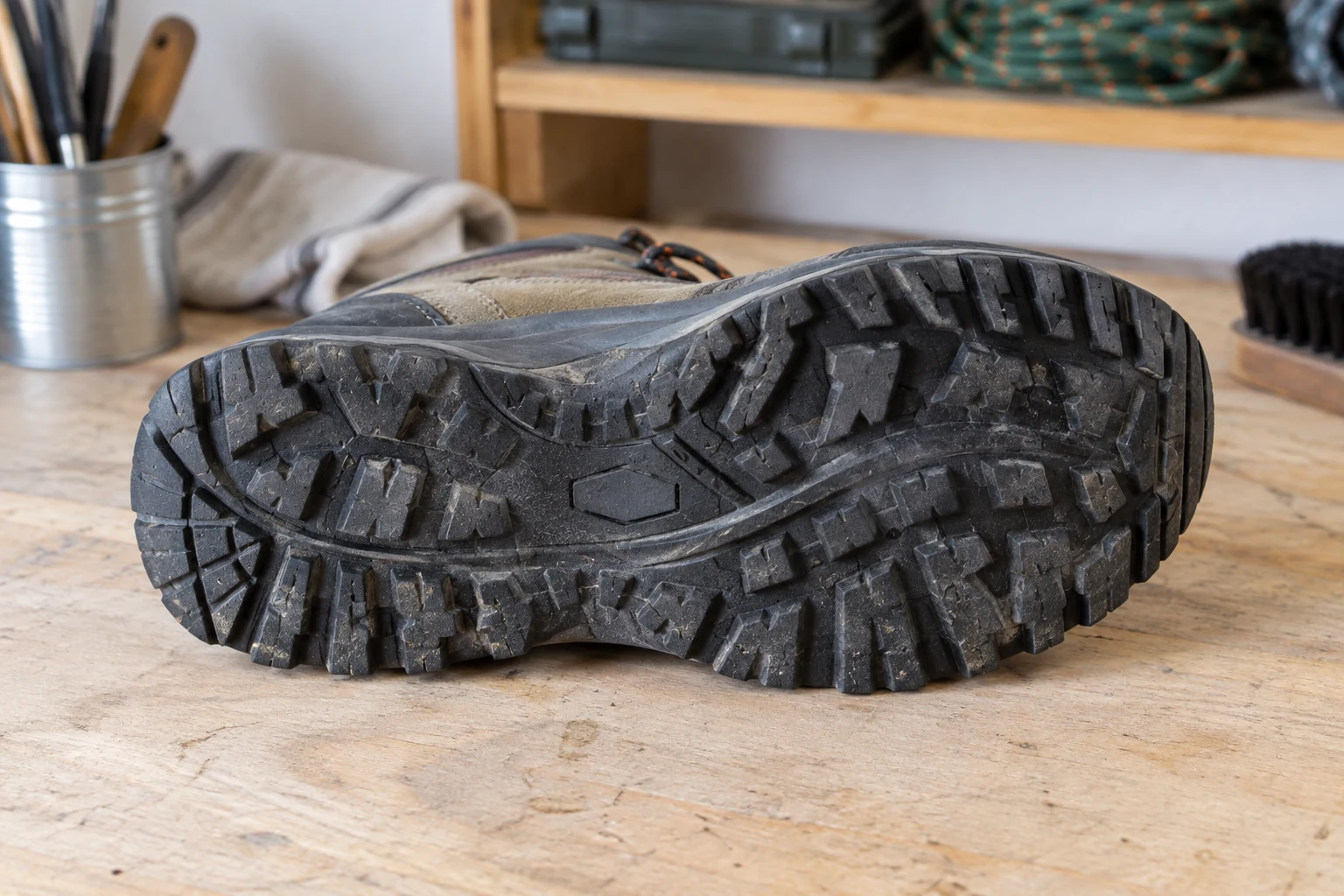
Turn both candidates over and read their intended-surface descriptions. Compare each complete pair in motion on a suitable surface. A striking tread pattern replaces neither appropriate use nor your own fitting observations.
A fitting on dry shop flooring cannot establish performance on every wet path. Choose initial outings accordingly and pay attention to actual conditions. The aim is footwear for particular easy summer routes, rather than an unlimited promise based on a short attempt.
Review the role after walking
Clean and dry the sandals according to the model instructions. Inspect closures and areas beneath straps where dirt can collect. Particular materials may require particular care; do not automatically apply the routine used for leather boots.
Record the type of route on which the combination worked. This gives the pair a clear role alongside your other footwear. Reconsider a differently surfaced outing rather than extending one pleasant experience on an easy circuit to every hike.