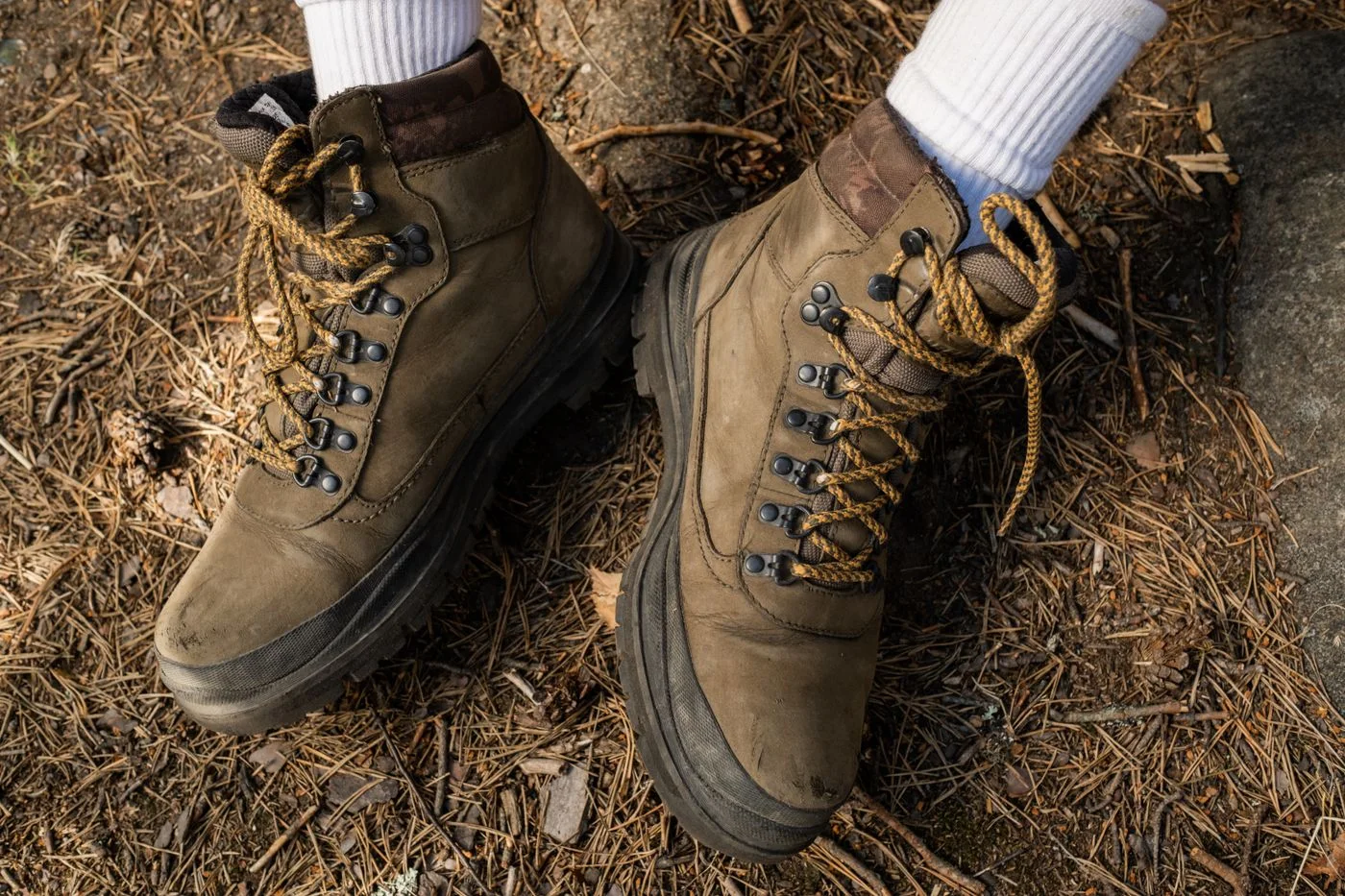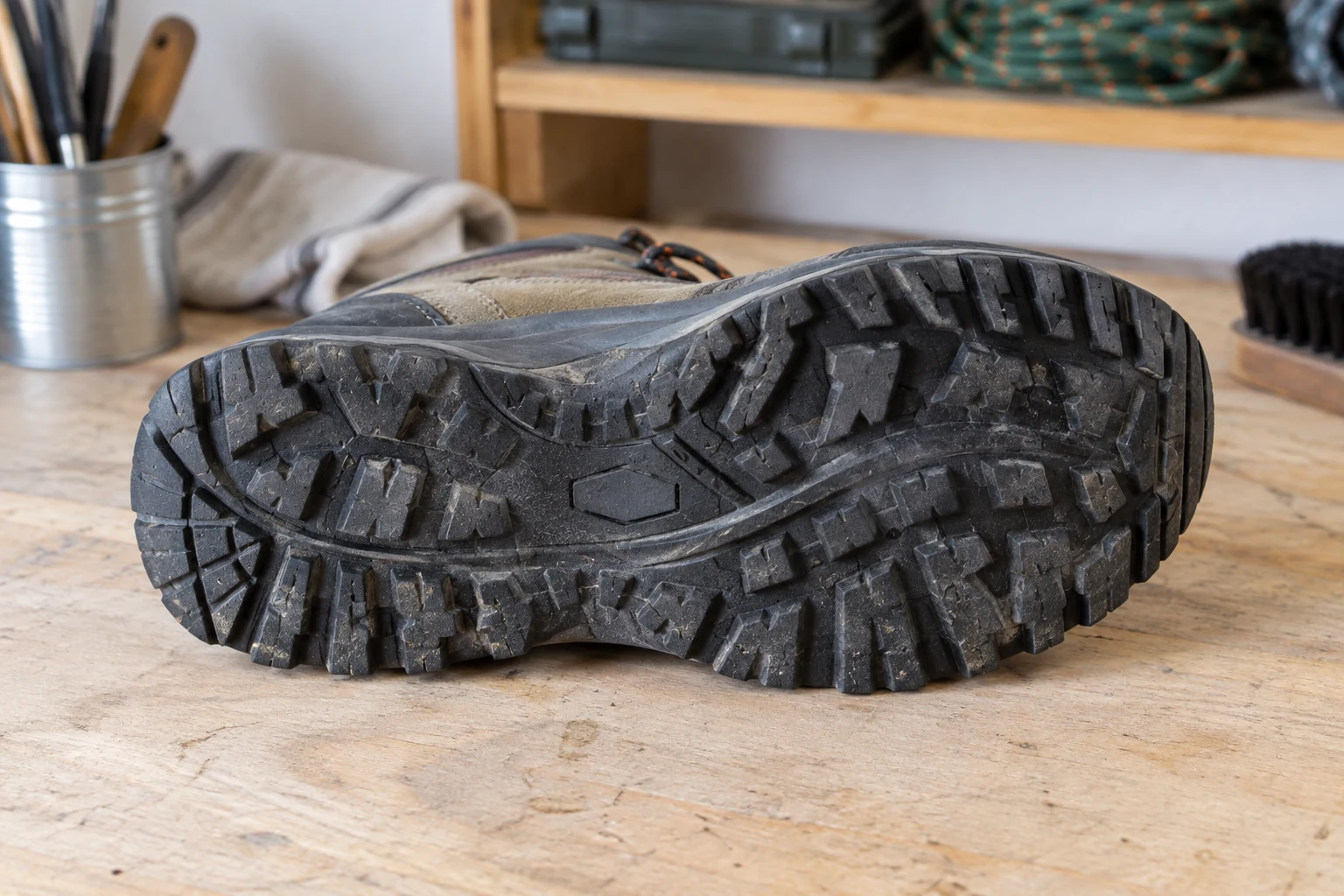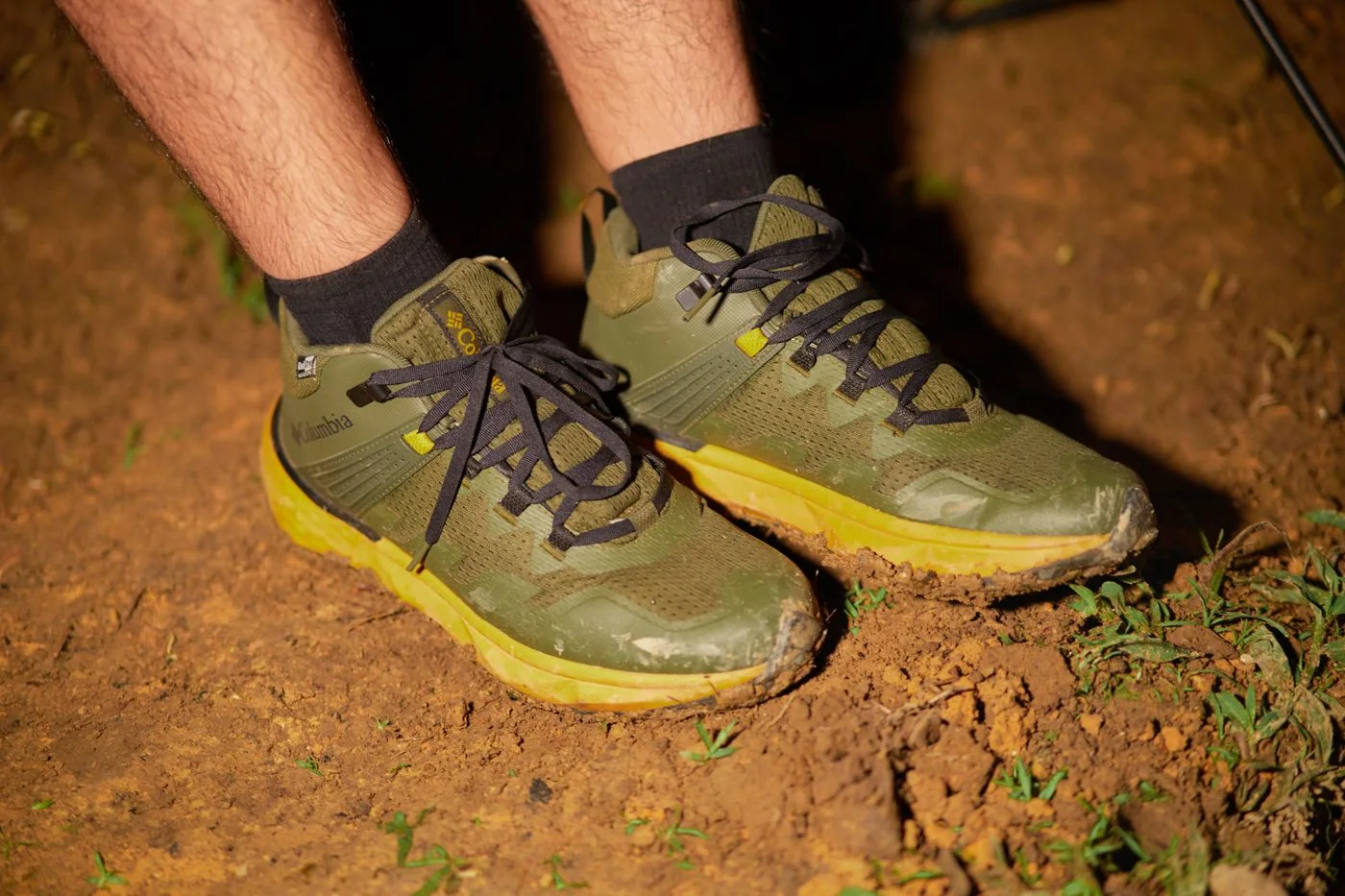
A warm-weather shoe still needs to fit your foot and the route. An airy upper is an additional feature, not an excuse for inadequate toe space or an unsuitable sole. Explain whether you walk dry field tracks, shaded woodland paths or changing surfaces. Summer temperatures do not turn a stony route into an easy stroll.
Look at the complete construction
Visible mesh may form part of the upper while other layers sit behind it. Read the model description for information about the lining and any waterproof construction. “Mesh” and “without a membrane” do not mean the same thing. Ask what the advertised ventilation refers to in that particular shoe.
KEEN identifies dry, warm hiking conditions as a situation in which waterproof equipment may not be necessary. Treat that as a selection consideration, rather than a general instruction to abandon weather protection. Include wet grass, expected rain and shoes you already own in the decision. Sometimes the new pair is a deliberate addition that does not need to cover every season.
Compare models with similar intended uses. Otherwise, you may set a lightweight summer shoe beside a much firmer trekking boot and attribute every difference to the upper fabric. Weight, collar height and sole construction also influence the impression.
Do not solve fit by changing socks at random
Use the socks intended for your warm-weather walks when fitting the shoes. If you later choose another thickness, assess that combination separately. A particularly thin sock can create room, but it also changes contact with the collar. It does not automatically correct a shoe whose width is unsuitable.
Notice whether your toes can move while the foot remains controlled inside the shoe. Loosening the laces may change the initial sensation, but it should not produce continual slipping. Do not try to create ventilation simply by buying footwear that is too large.
Plan for the whole summer day
A dry start tells you little about a meadow crossing on the return. Check the forecast together with the route. When choosing between two pairs you already own, record the actual surfaces and conditions after the walk. “Comfortable in dry woodland, unsuitable for the damp meadow section” is more useful than a blanket summer verdict.
Air and dry the shoes after walking according to their care instructions. Avoid immediately packing them with clean clothes for the journey home. A separate compartment or suitable shoe bag keeps other belongings clean; long-term storage should wait until the pair is dry again.