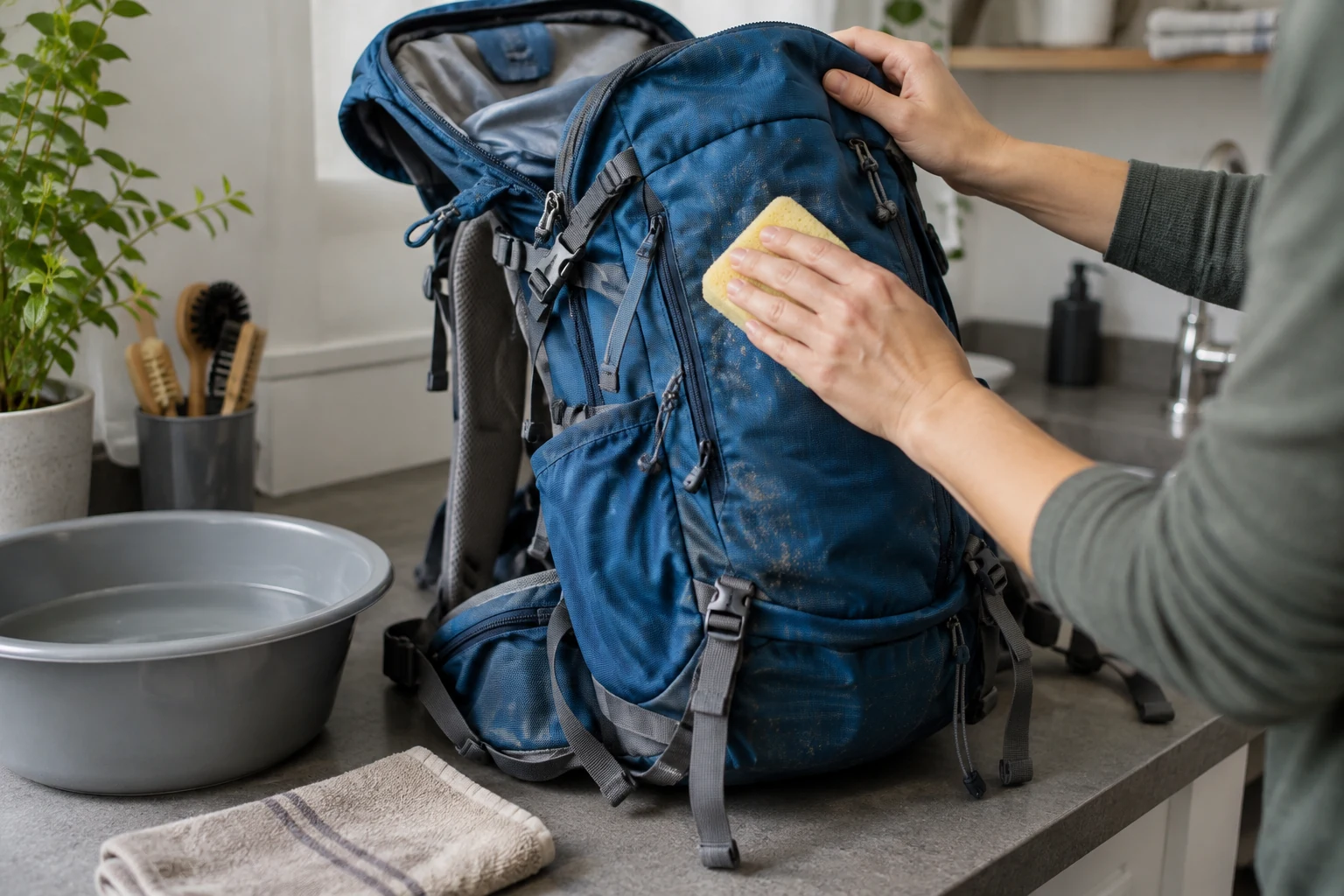
Open the packaging first
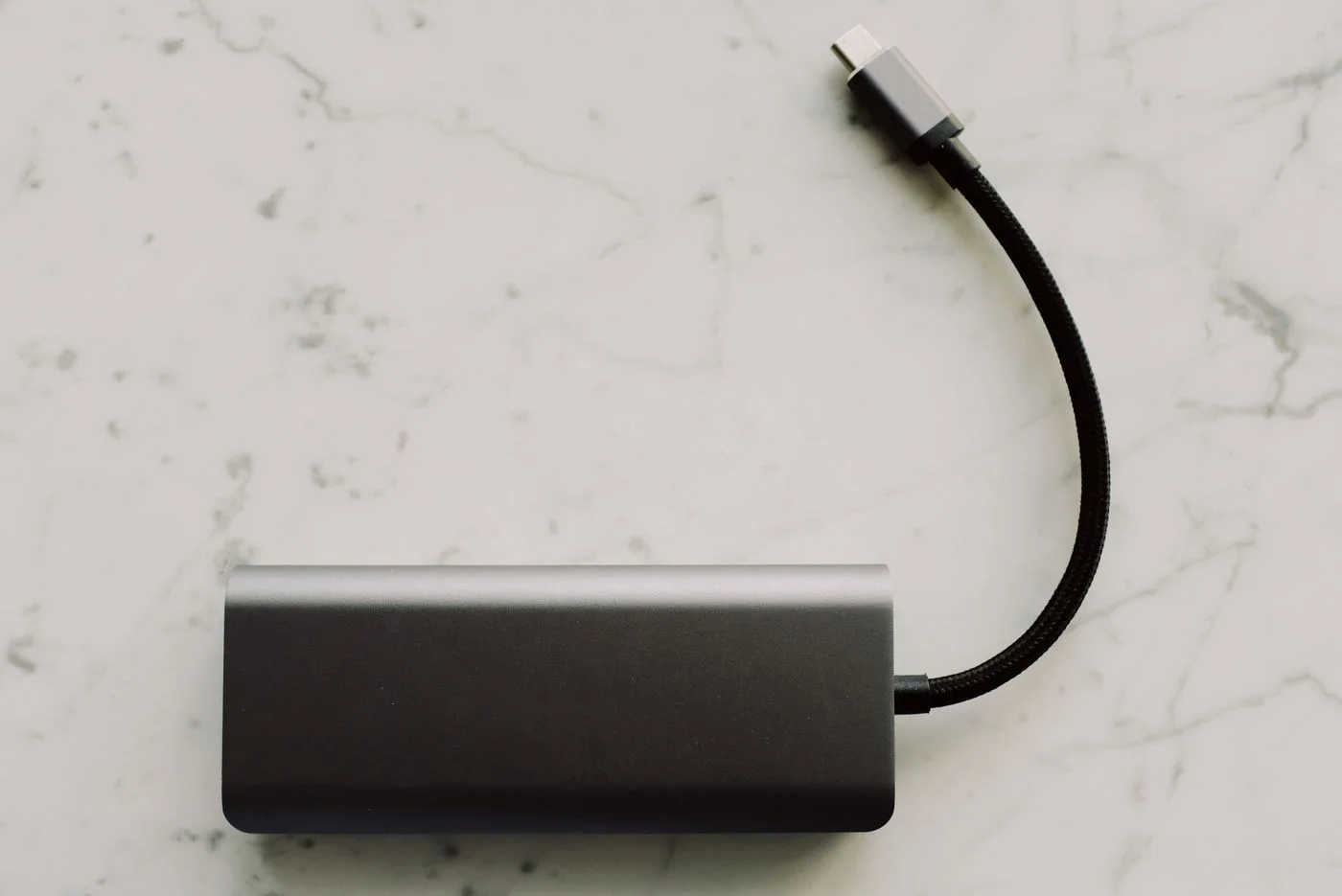
Remove power bank and cable from their pouch after a damp outing. Examine the exterior, connectors, and bag interior. A dry upper surface does not establish that no water sits below. Dry the pouch separately rather than returning a clean device to a damp enclosure.
Remove exterior dirt only as the device instructions permit. A power bank is not washable equipment like a dry bag. Do not spray into a port or connect a wet cable as a test. Protection ratings concern the actual construction, not every opening in an open state.
Treat ingress differently
Anker's guidance says to stop use after liquid enters and not dismantle the product yourself. A wiped exterior does not establish the internal condition. Consult support rather than charging to discover whether it still works.
Deformation, cracks, and altered connectors also require separate assessment. A new cable cannot repair a damaged socket. Do not open the housing for drying or apply strong heat. Keep the boundary between external care and electrical repair clear.
Avoid tight cable bends
Clean a cable as directed and inspect its jacket and plugs. Coil loosely rather than sharply bending directly behind the connector. Damaged insulation or a bent plug is not restored by tidier winding. Replace unsuitable parts with compatible ones.
Arrange cables so their purpose remains recognizable. One checked suitable cable is more useful than several unknown alternatives. Keep metal accessories such as keys separate from unprotected connections, particularly when the pouch also carries everyday items.
Follow storage guidance
Anker recommends dry ventilated storage away from moisture and high temperatures. Longer periods of non-use also have model-specific charge and inspection guidance. Do not import a calendar interval from another battery. Keep instructions accessible and inspect before reuse.
Prepare the carrying arrangement only when bag, cable, and device have each been assessed. A protective pouch may help during transport but is not a repair method. The useful routine separates inspection and suitable storage rather than quickly hiding a damp system. A label or dedicated pocket can help retain that separation when several devices share the same cupboard.