The usual entrance shapes the visit
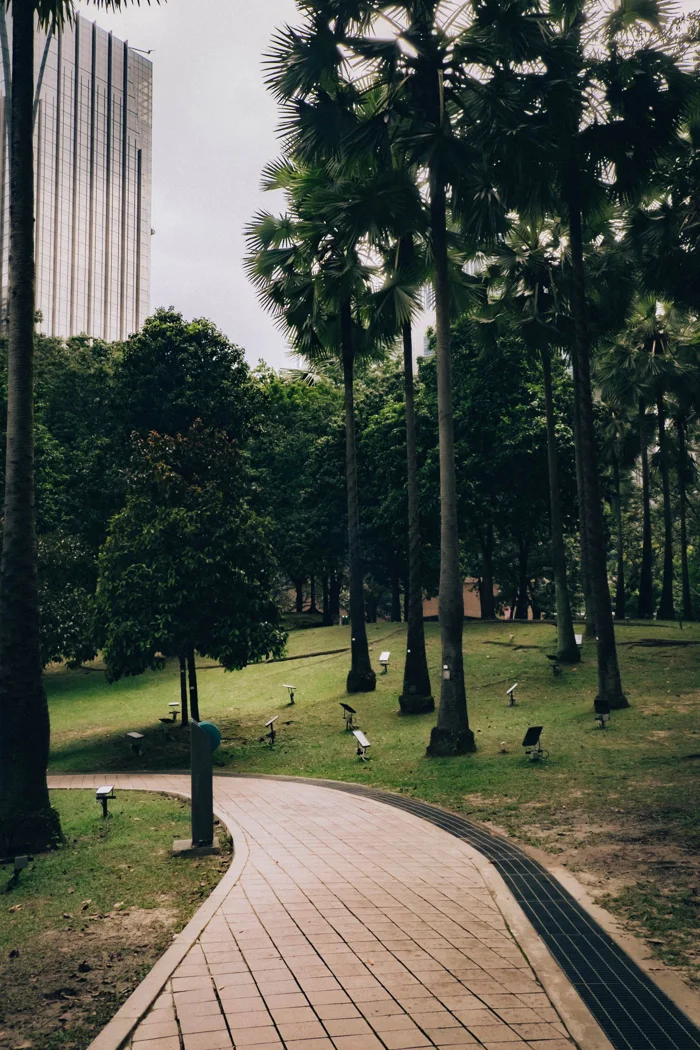
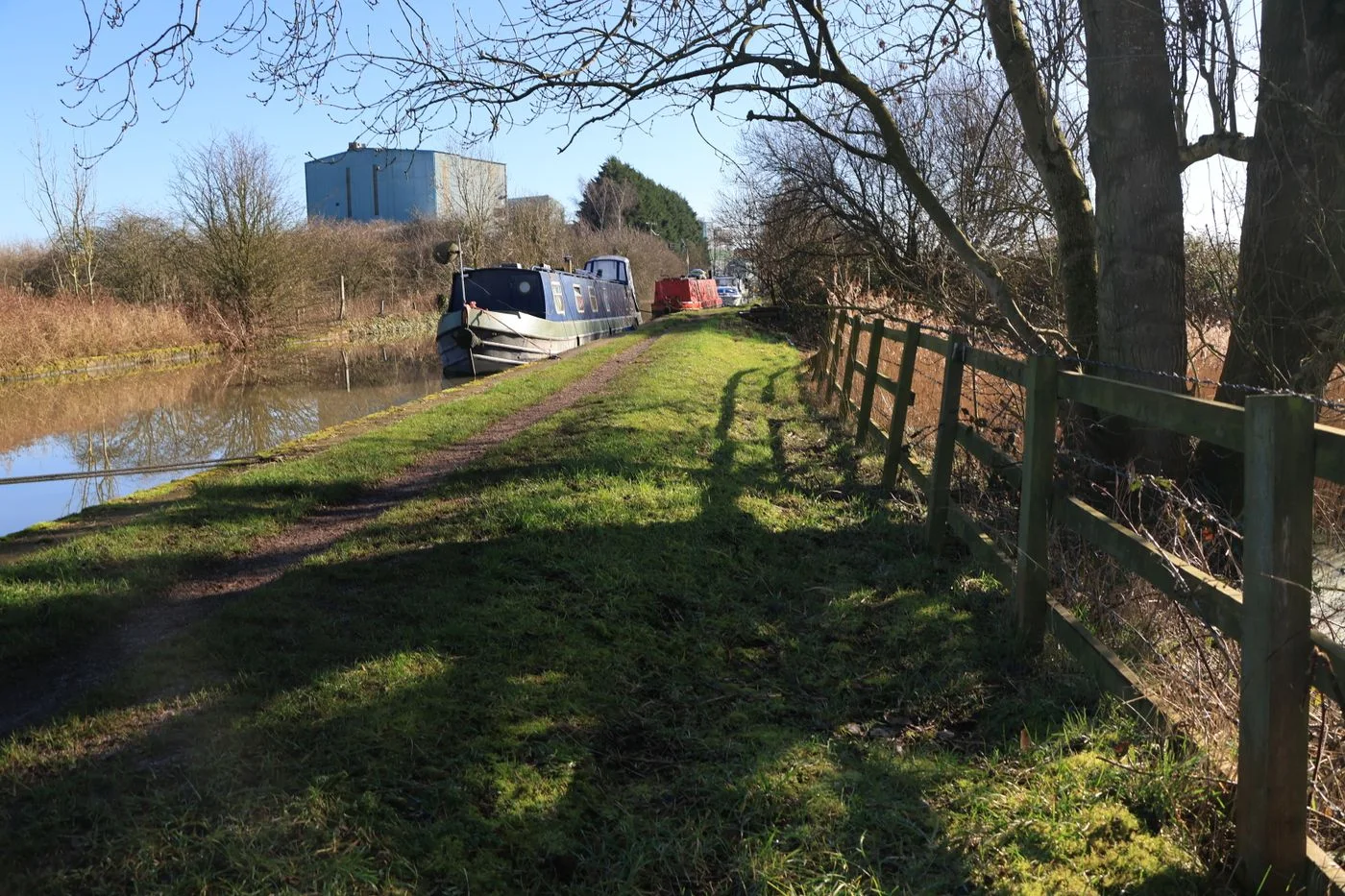
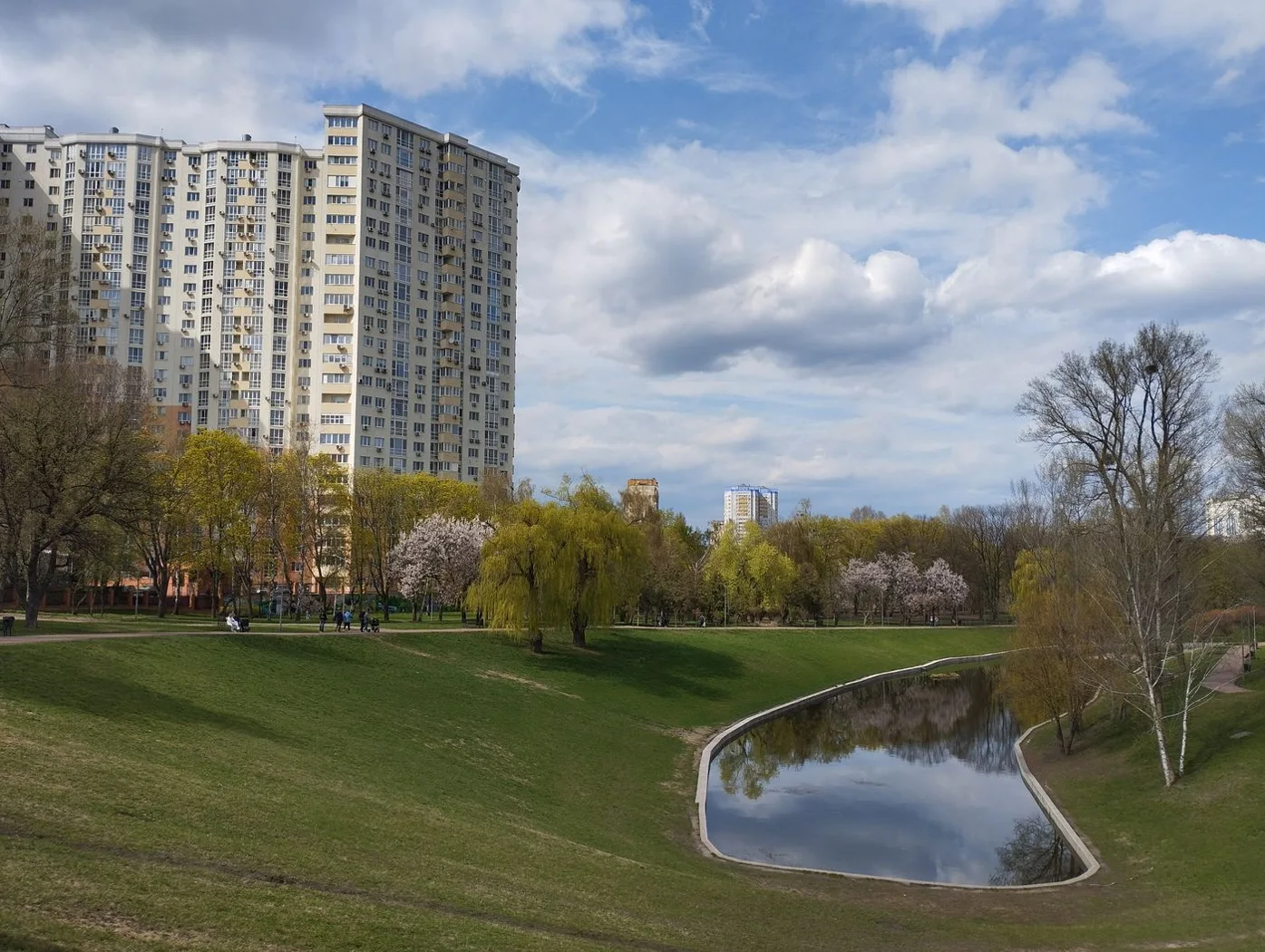
Entering a park through the same gate often produces the same opening path. The first turn becomes habitual while other areas remain unseen. Begin a new small outing by changing the access point. Check how to reach the second entrance and whether returning to the original starting place still fits the available time.
A different entrance need not add distance. It may connect with another stop or a quiet street. The same park then unfolds in another order. A familiar café or pond can move from the opening of the outing to its finish.
One change is enough
Choose a particular section normally omitted: a designated path beside a meadow, another edge of the pond, or an area beyond the garden. Stay with intended connections. A track in the grass does not need to join your walk merely because it looks shorter.
Reversing the main loop can also change views and the sequence of open and shaded places. Follow local directions where particular areas are managed. The idea is a new perspective on available paths, rather than using every possible passage.
With little time, select one part of the park deliberately. A useful out-and-back is a complete walk. It may leave more room for a pause than squeezing the entire outer circuit into a tight window.
Read the park through its uses
Notice how different areas work. A broad avenue may mainly provide a connection, a small square a place to stop, and the pond edge both. These differences help explain why two paths feel different at the same time of day. The busiest area need not always be avoided; choose according to the purpose of the visit.
A broad section may suit conversation. For looking around, a bench with a clear passage can work better than a narrow bridge. Photography benefits from somewhere to pause without obstructing the path. Route choice therefore includes what you want to do while outside.
Livelier places also change through the day. A quiet morning lawn may later become a meeting area. To compare impressions, revisit a small section at another time instead of forming a permanent description of the whole park from one visit.
Connect new access with a clear return
In a large park, gates, individual areas, or facilities may have separate opening arrangements. Check local information where the route depends on them. An entrance that appears closed should not remain the essential exit in a tight schedule.
On the first visit, identify an easily recognised point such as a signed main junction. It can reconnect the new section with a familiar route. A complete list of benches and paths is unnecessary. One clear connection is often enough.
The park can then become a set of small possibilities: a conversation loop, a short route to the water, or a different entrance on the way home. Variation comes from deliberate selection. It requires neither more kilometres nor a claim to have discovered every part of the place.