A clear line with changing conditions
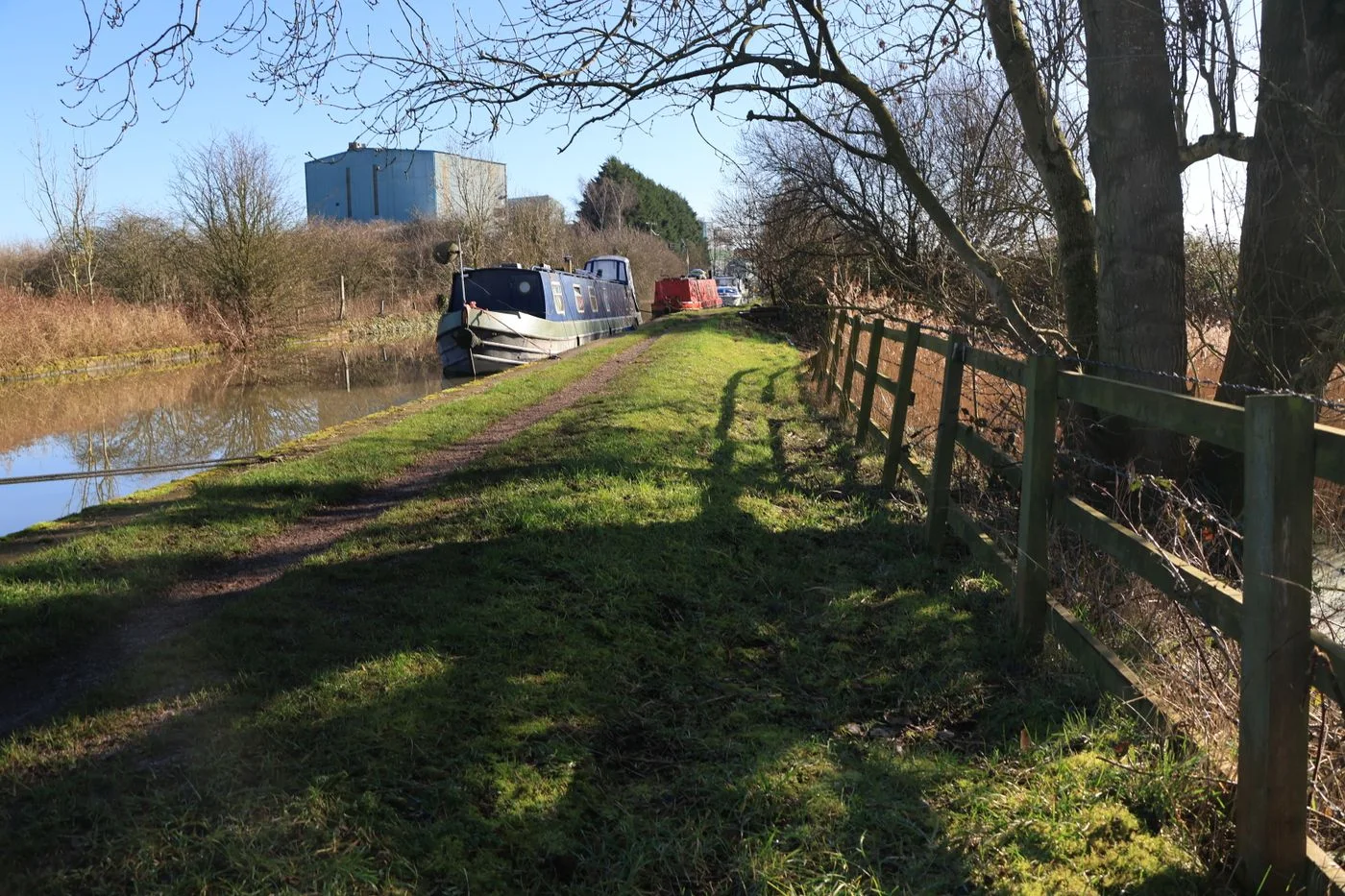
Beside a canal, the general direction is often easy to understand: follow the water. The surroundings change gradually, producing an appealing rhythm. Surface, width, and access can nevertheless vary between sections. Before a new walk, establish where to join the path and which known point will provide an exit or turnaround.
A bridge over the canal does not automatically give access to the towpath. There may be steps, or the next suitable entrance may lie farther away. Check the real connection. For a short outing, a readily reached section between clear access points may work better than the longest possible waterside line.
Britain's Canal & River Trust, for example, separates surface, gradient, and access types in its accessibility map. Those are useful questions elsewhere too, but the network's rules do not apply everywhere. Find information for the canal actually being visited.
Read the shared space at narrow points
Under bridges and along narrow sections, briefly walking in single file can make room. Notice the available space and other people before pausing. Conversation can resume beyond the pinch point. A bridge need not simultaneously become a meeting place, photography position, and rest stop.
People may be working, angling, or using boats nearby. Keep access and working areas clear instead of treating the bank as exclusively walking space. Considerate action at the relevant moment is more useful than assuming one kind of visitor always has priority.
With a dog, avoid extending a lead across the whole path. Groups benefit from clear stopping places with sufficient room. Find a suitable wider area instead of stopping precisely where the first person notices something interesting.
Observation does not require a long route
A short section can offer enough subjects: a bridge's shape, changing reflections, or the transition from town to open surroundings. Give one visit a small theme and stop where others can pass. Quiet attention does not depend on having an entirely empty towpath.
For a loop, examine the opposite bank separately. A path on one side does not establish a suitable return on the other. Bridges, access, and continuity must work together. On a first visit, returning by the known path on the same bank is often simpler.
If the section appeals, choose another access point next time. You can learn the canal in manageable pieces. Its continuous line provides orientation while the choice of start, finish, and pause shapes each outing.