A starting point rather than a promise
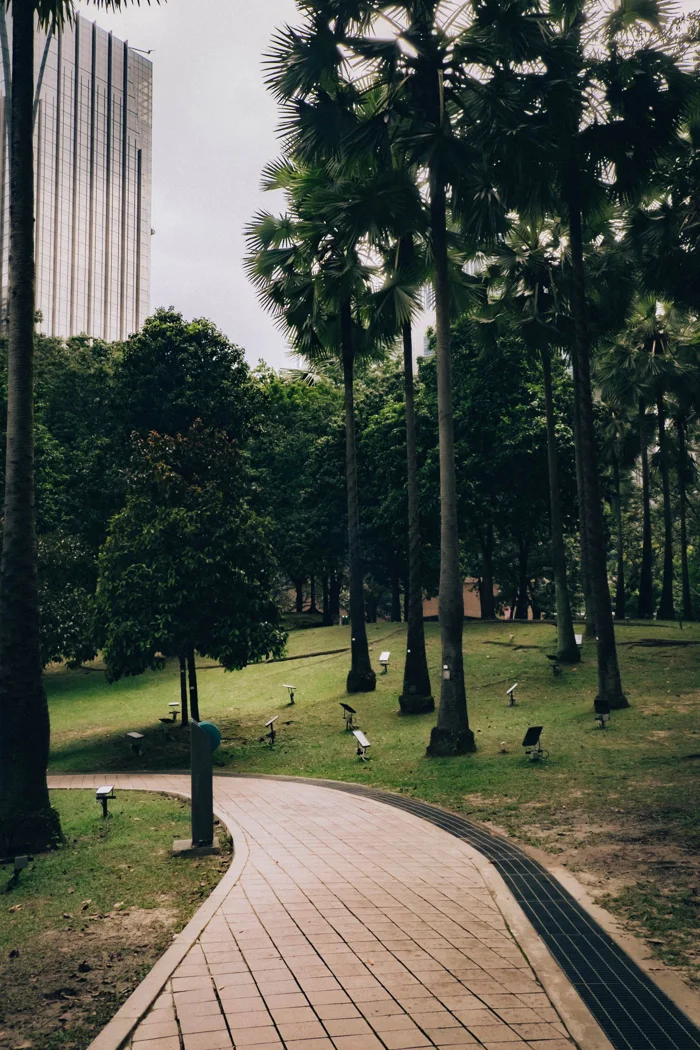
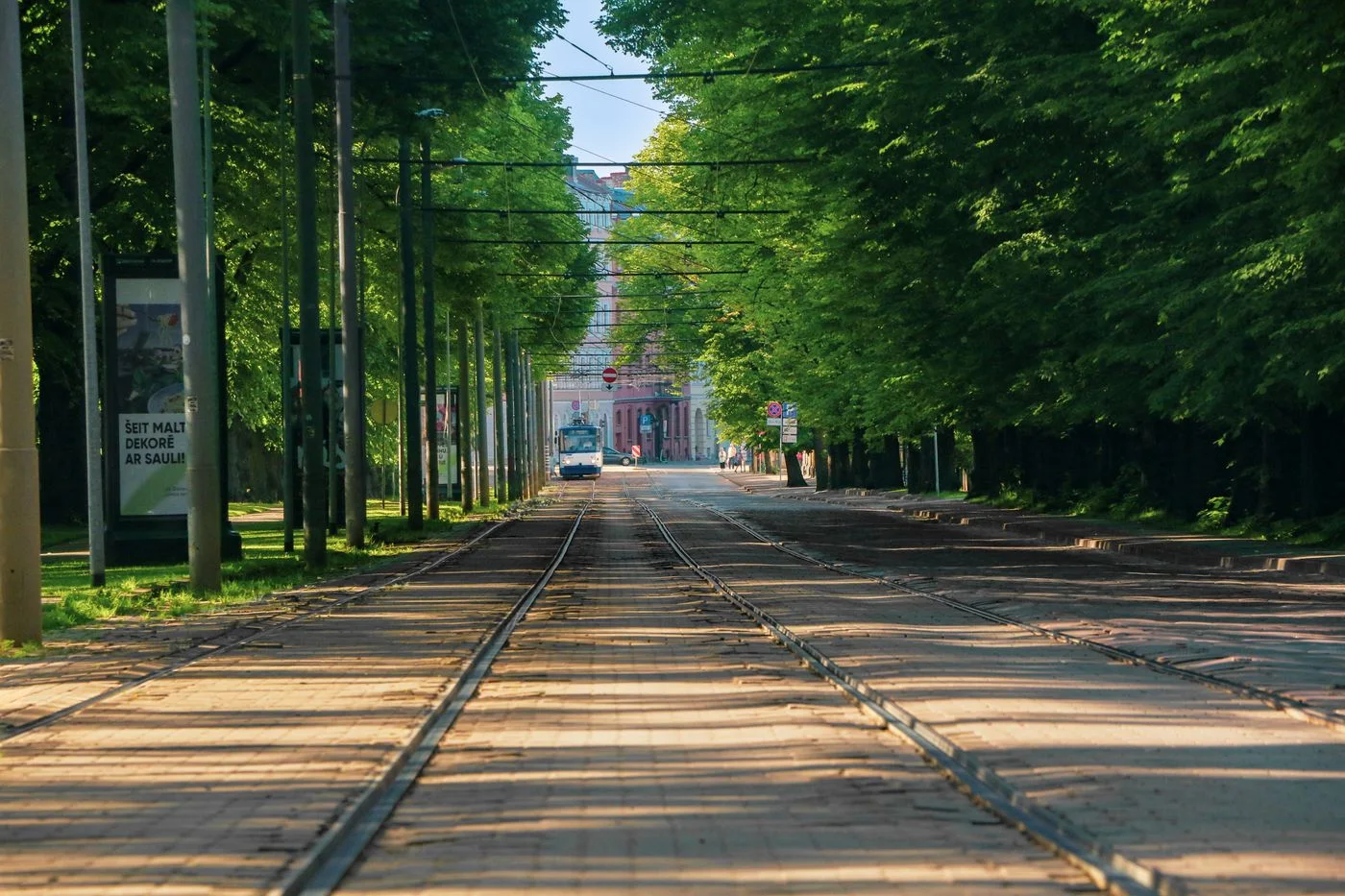
Taking a tram to its final stop can create a small change of scene without a long hiking journey. Parks, residential streets, or open surroundings may be nearby. The end of a line does not automatically provide a pleasant walking route, however. Examine the area and usable pedestrian connections rather than assuming green space begins beyond every terminus.
Find the real exit and next suitable link. A turning loop, operational site, or major road can determine the direction. A nearby park entrance on the map may not be directly reachable. For a first visit, a clear short connection to public paths is enough.
Begin with a small selection
Choose a concrete nearby destination: part of a park, an accessible public square, or a confirmed path along the settlement edge. Avoid immediately linking several unfamiliar areas. Seeing the city from another approach can supply the interest.
A small loop returning to the same stop simplifies the first visit. The return is known and another unfamiliar transport connection need not be organised simultaneously. If the area appeals, a later outing can continue to a different stop.
Check the whole walking route. The map should explain the streets before the green section as well as the main attraction. A pleasant park circuit with an unsuitable approach is not yet a suitable overall plan.
Choose transport and walking together
Search for the actual day and read operator notices. A familiar frequency need not apply at every time or to every endpoint. Do not rely on a general memory that trams arrive often.
Leave room to return to the stop without rushing. The day should not work only with the final service. If visiting another place, give the stop its own allowance. A short walking distance alone does not explain the outing's duration.
For a one-way version finishing elsewhere, check the second stop's name, direction, and access separately. Stops that look close may have an awkward link between them. A second known option helps; a second untested assumption does not.
Observe the city's edge
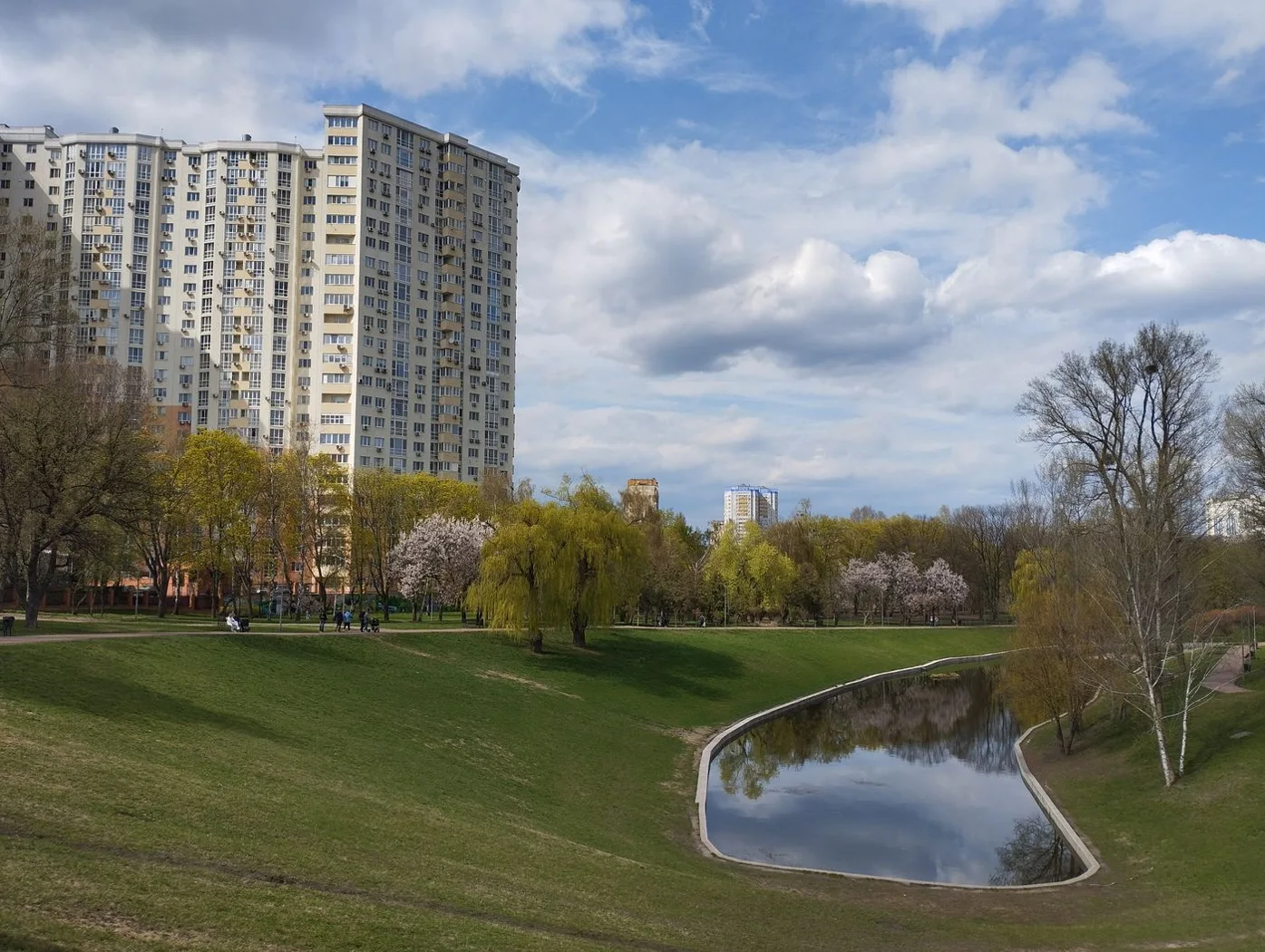
Notice transitions: where does dense building end, and where do gardens, open spaces, or another street pattern begin? These questions give the outing a subject without requiring a major landmark. Stay on public routes rather than treating residential spaces as freely explorable ground.
The tram ride can complete the change of scene instead of merely providing its necessary remainder. From the window, you may recognise how the walked section relates to the line. Next time, start at another known stop. Build the selection through clear entrances and manageable links rather than the most distant endpoints.