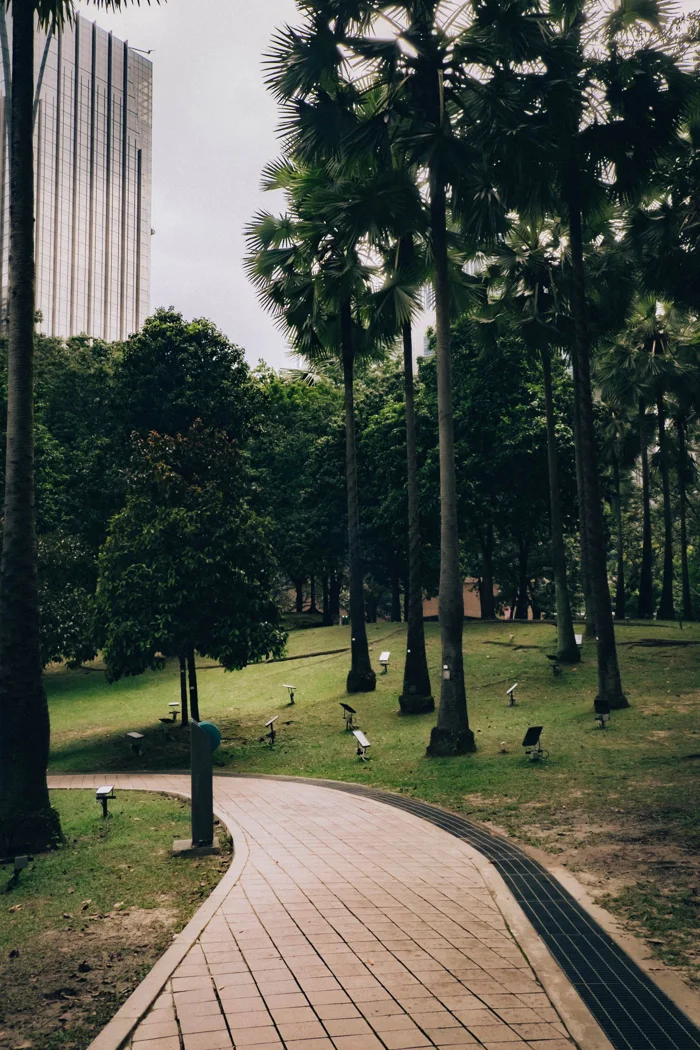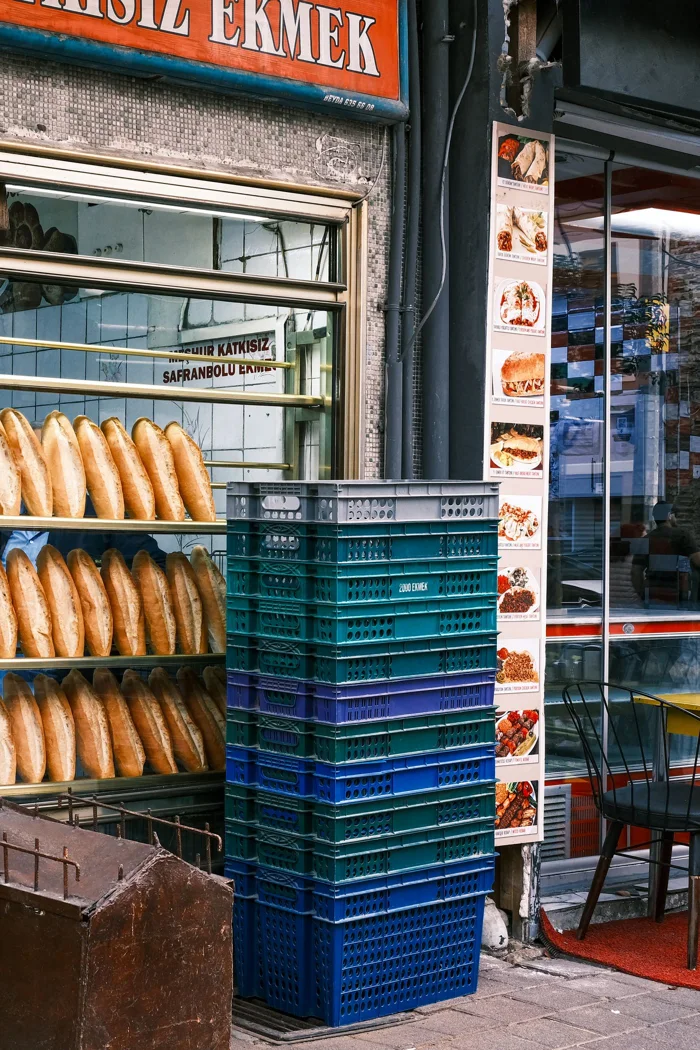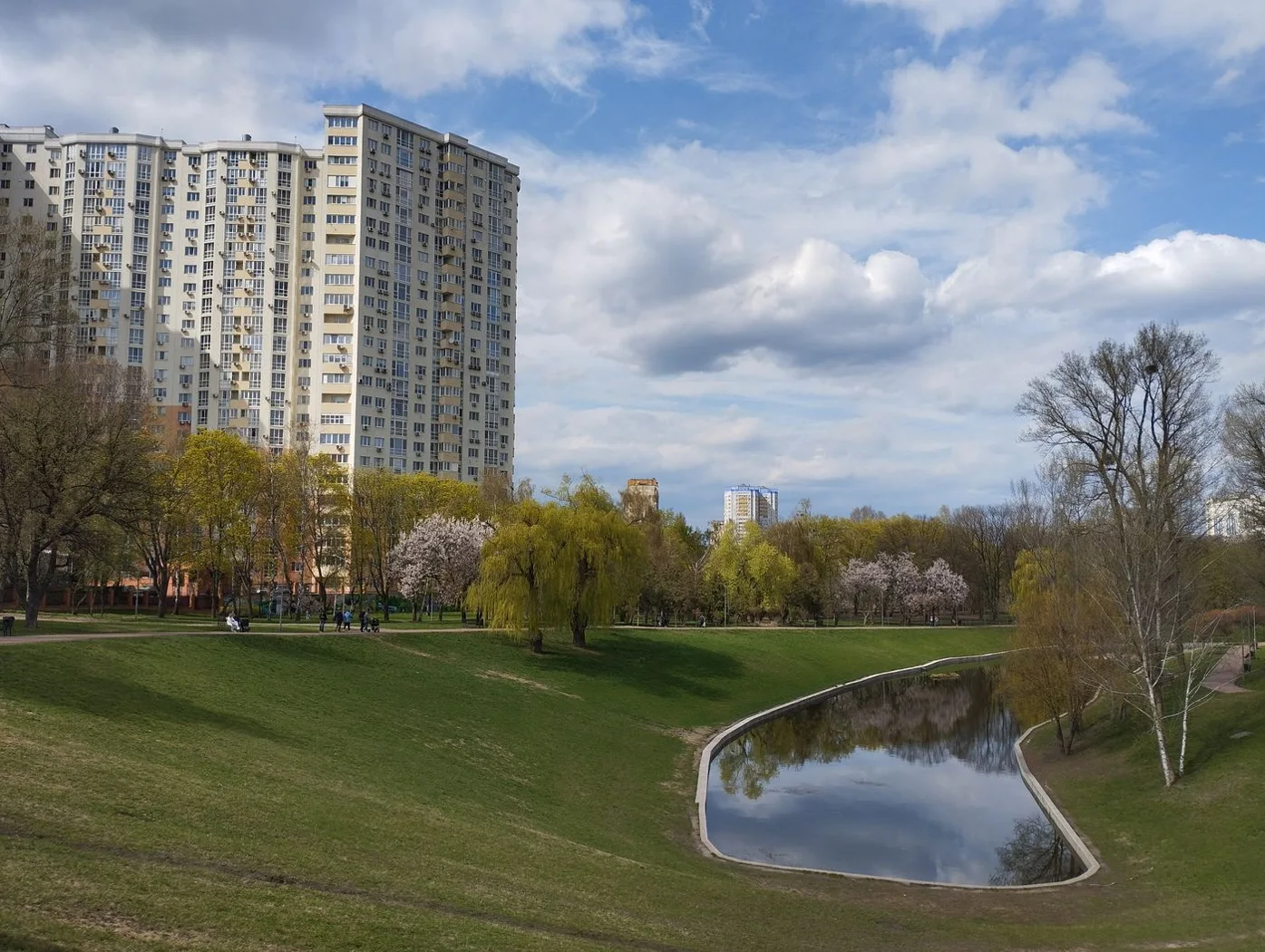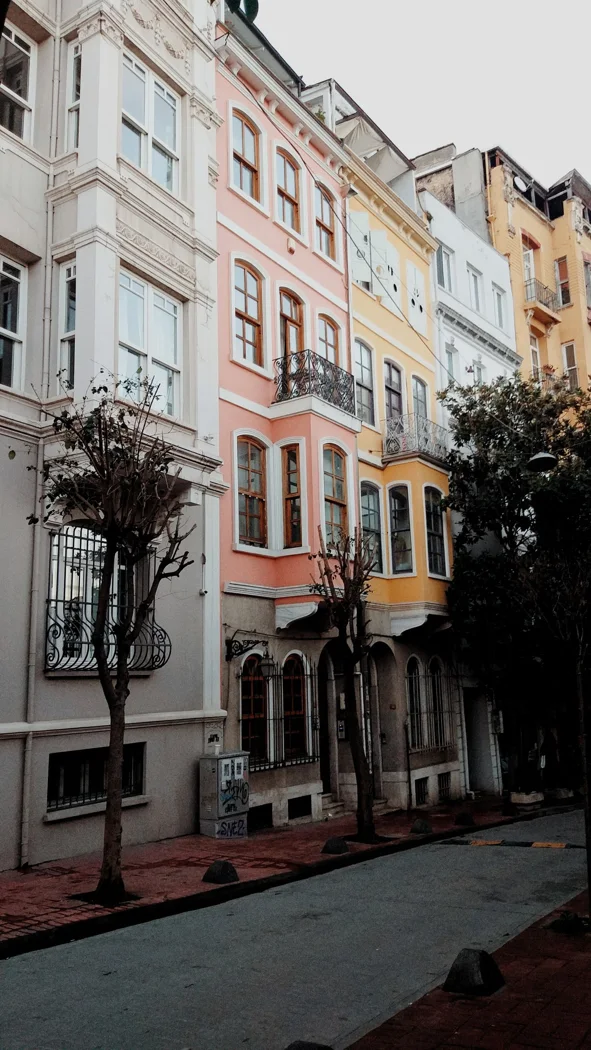
Choose a subject likely to appear
Doors along a street, shadows on a wall, or repeated colours can support a short photo walk. Choose something plausibly visible in the area that does not require a rare encounter. The outing remains complete even if one hoped-for image never appears.
A narrow subject is often easier than photographing an entire place. Architecture, wildlife, people, and landscape do not compete simultaneously. Comparing related subjects reveals differences, such as one colour across materials or entrances with very different forms.
Let the theme invite attention rather than become a list to finish. If another feature becomes interesting, change the idea. Notice what shifted your view instead of treating the outing as unsuccessful because too few suitable doors appeared.
Use a small recognisable route
Choose a manageable public route with a clear start and finish. A street and short return loop may be enough for a first visit. Subject count does not determine distance. Five interesting positions can deserve more time than a large circuit with continually changing views.
Allow for stopping. Ordinary walking time cannot describe the whole photo outing. If you want to return within an hour, reserve some of it for a few unhurried pauses and reduce the route accordingly.
An out-and-back can help. Notice possibilities outward and look again from the opposite direction on return. Not every image needs taking immediately. A second look may reveal that the initially striking object offers less than a quieter relationship nearby.
Choose the position as carefully as the frame
Remain on suitable publicly accessible ground and leave passages clear. A subject beyond a gate does not automatically make the interior a photography position. Façades can be considered from the pavement without private rooms and people becoming essential parts of the picture.
Notice whether photographing blocks a crossing, entrance, or narrow path. A suitable wider place may offer a different, equally interesting view. The perspective should not require standing in the through-route.
With companions, discuss the rhythm. Someone spending time on photographs and someone mainly wanting to walk may have different expectations. A short route with agreed pauses makes both visible. Nobody needs to wait continually or feel pushed toward the next subject.
Compare a few images together
Afterwards, select a small group of related photographs. Ask which work together to explain the subject, not only which looks most striking alone. Does one simply repeat what another shows more clearly? Three different views may communicate the idea.
Keep a connection with the actual place. A gate's image can show form without explaining history. If writing about it later, separate visible features from information needing a local source. An interesting photo walk requires no invented explanation.
On another visit, repeat the theme under different conditions or change one question. How does the street appear in reverse, and what remains similar at another time? Familiarity grows while image selection becomes more deliberate. Greater distance or additional equipment is unnecessary.