The board belongs to the start
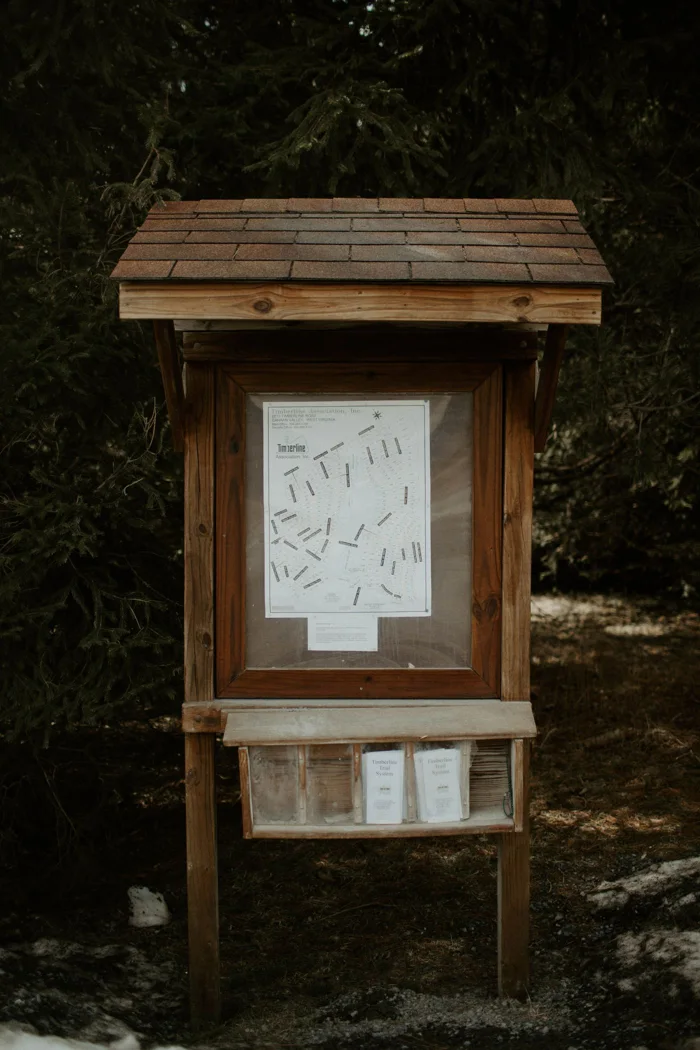
At the entrance, a large board combines a map, text, symbols, and pictures. It is easy to find the location marker and move on. A second look helps: which routes are intended for visitors, which sections carry special notices, and does the map match the saved walk? A brief pause at the entrance can prevent uncertainty at a later junction.
Begin with information that affects the day. A species overview may be interesting, while a closed-path notice requires an immediate decision. Read any date or period attached to it. That distinguishes a current update from general background information.
Learn the area's own symbols
Use the map legend. A colour may identify a zone, a recommended circuit, or something else. Do not transfer its meaning from another park. Find the chosen route's name and associated markers. When several lines look similar, labels help more than an assumption about familiar colours.
The Wadden Sea national park administrations, for example, direct visitors to approved paths shown in regional leaflets and on information boards. The useful approach is local: current information belongs to route selection. That area's rules do not thereby become a template for every protected landscape.
Check additional notices concerning dogs, stopping areas, and temporarily unavailable links. An ordinary outing does not require an improvised legal interpretation. The immediate question is which published, appropriate circuit works under the information given for this location.
Compare the day with what the board says
If the intended section is unavailable, look for an explicitly available alternative. An older route description may still show the former link. A saved line is not a reason to ignore a boundary on the ground.
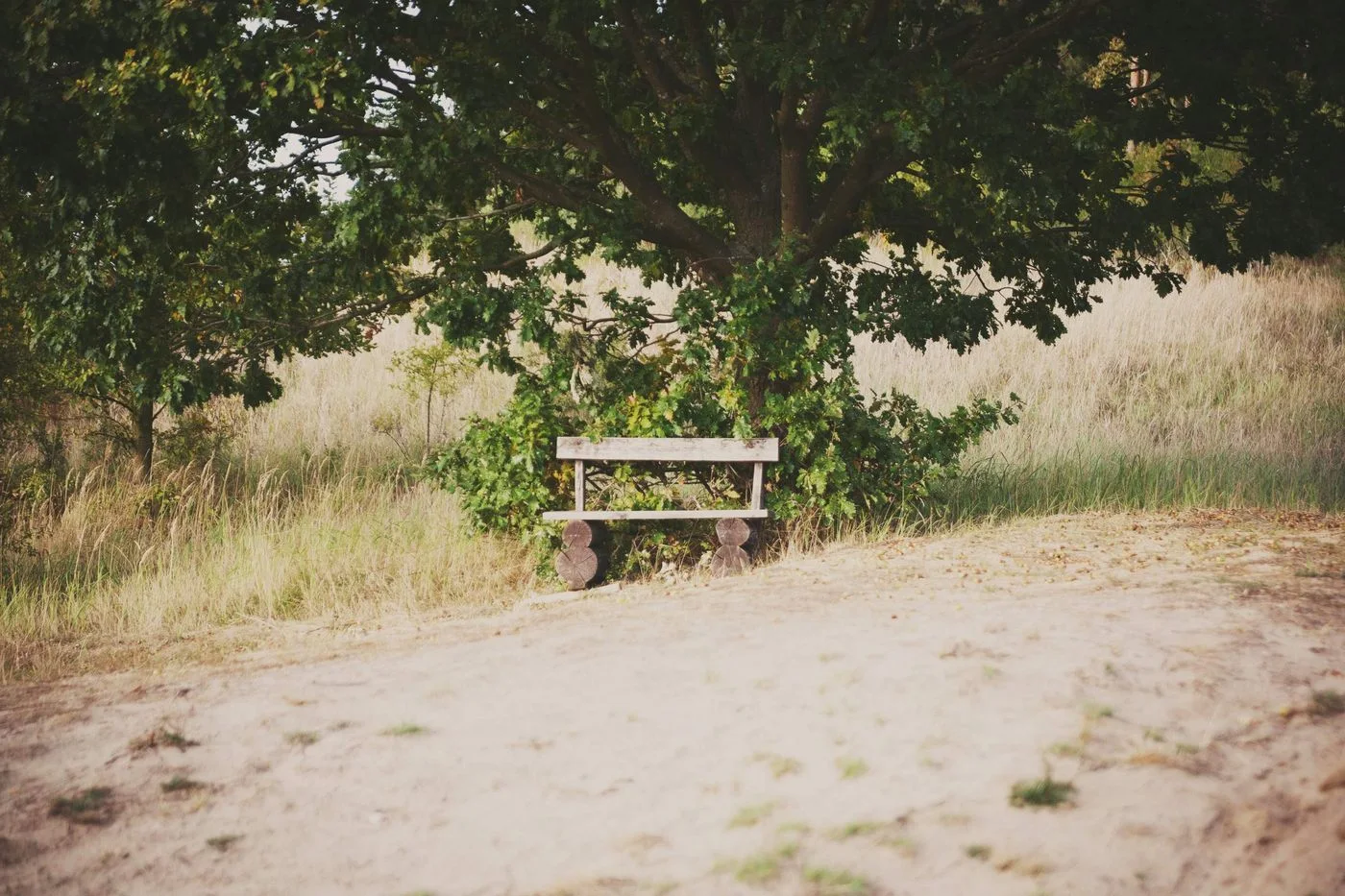
Find designated resting and observation areas too. They can allow a longer pause without leaving the route. If one is occupied, select another suitable place and keep narrow entrances clear. An attractive subject beyond the intended visitor path does not require an additional side trip.
In a group, avoid leaving one person reading while everyone else walks ahead. Summarise the relevant points together: chosen loop, changed link, and pause location. Information then becomes a shared plan instead of something only communicated when the group reaches a barrier.
Observe without forcing an encounter
A reserve does not promise a sighting of a particular animal. Give landscape, paths, and suitable observation places a role in the outing too. If wildlife does not appear, there is no need to prolong the visit or enter a quieter restricted area to compensate.
A defined route can make a small visit interesting by focusing attention on what is visible from it: transitions in vegetation, different habitats, or signs of management. A large circuit is unnecessary. A well-understood small section may offer enough for the afternoon.