The path and the field are different places
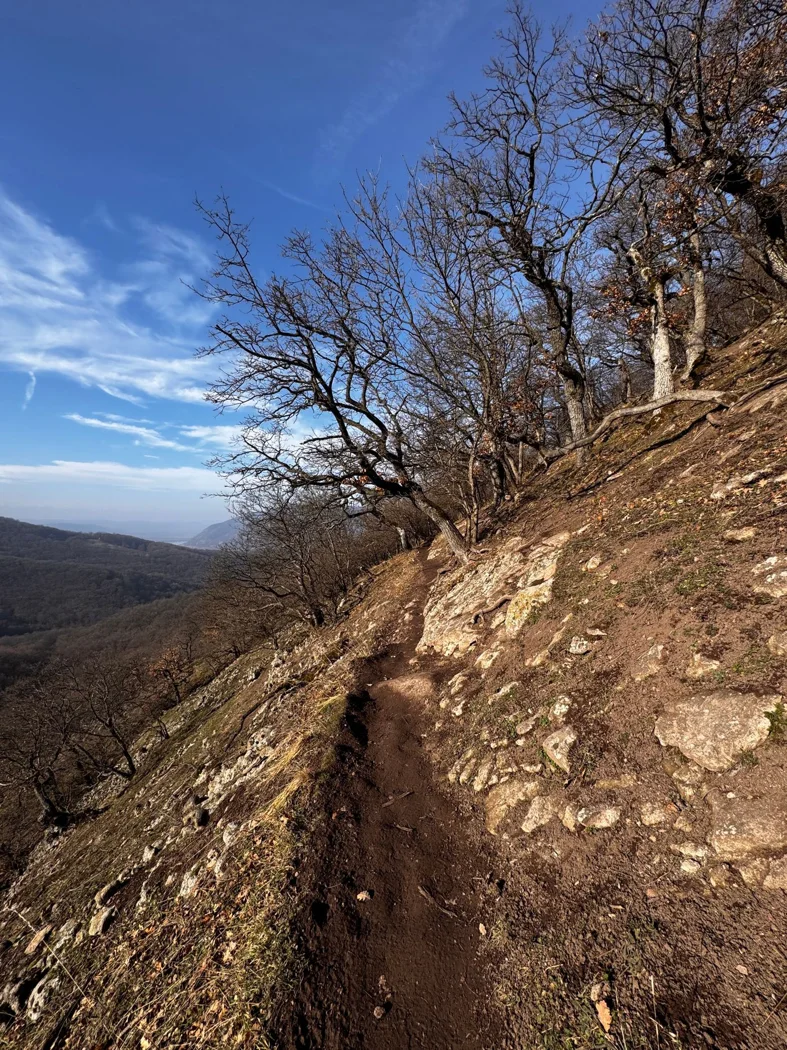
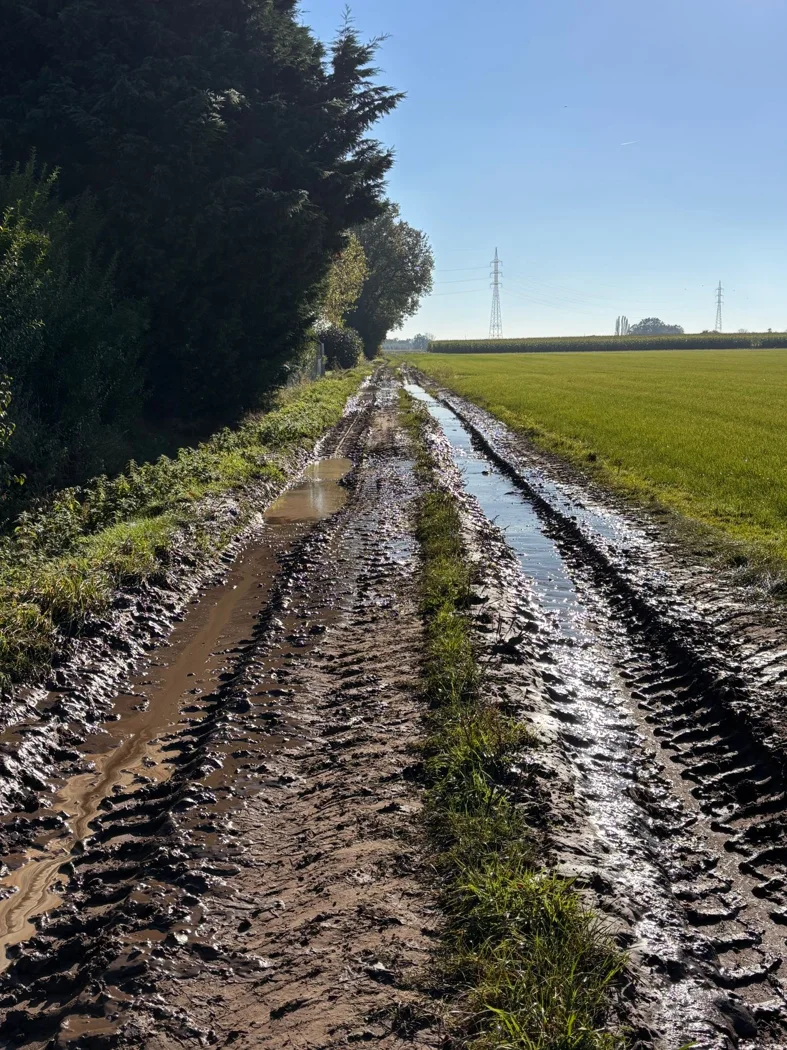
Walking beside fields can offer wide views and clear lines. The surroundings are also working land, rather than a park whose surfaces can be used freely. Choose a designated accessible route and remain on it. A mown strip or vehicle track through a crop does not establish the line of your walk.
Check connections particularly where map lines move between fields or appear to cross a farmyard. Find current local information rather than inferring general access from an open gate. If the continuation remains unclear, a confirmed alternative provides a better basis for an ordinary day outing.
Plan the open sections and the time together
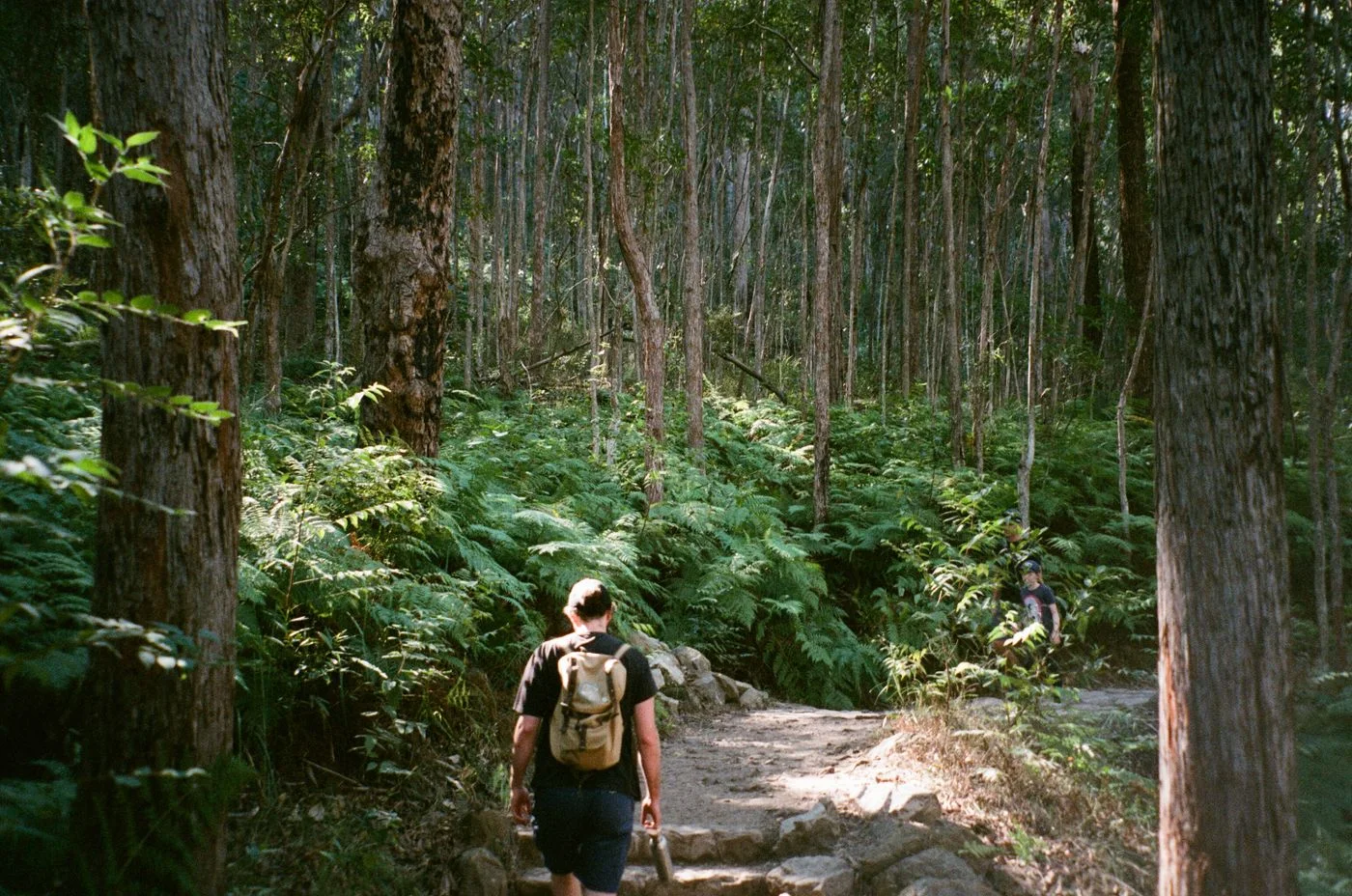
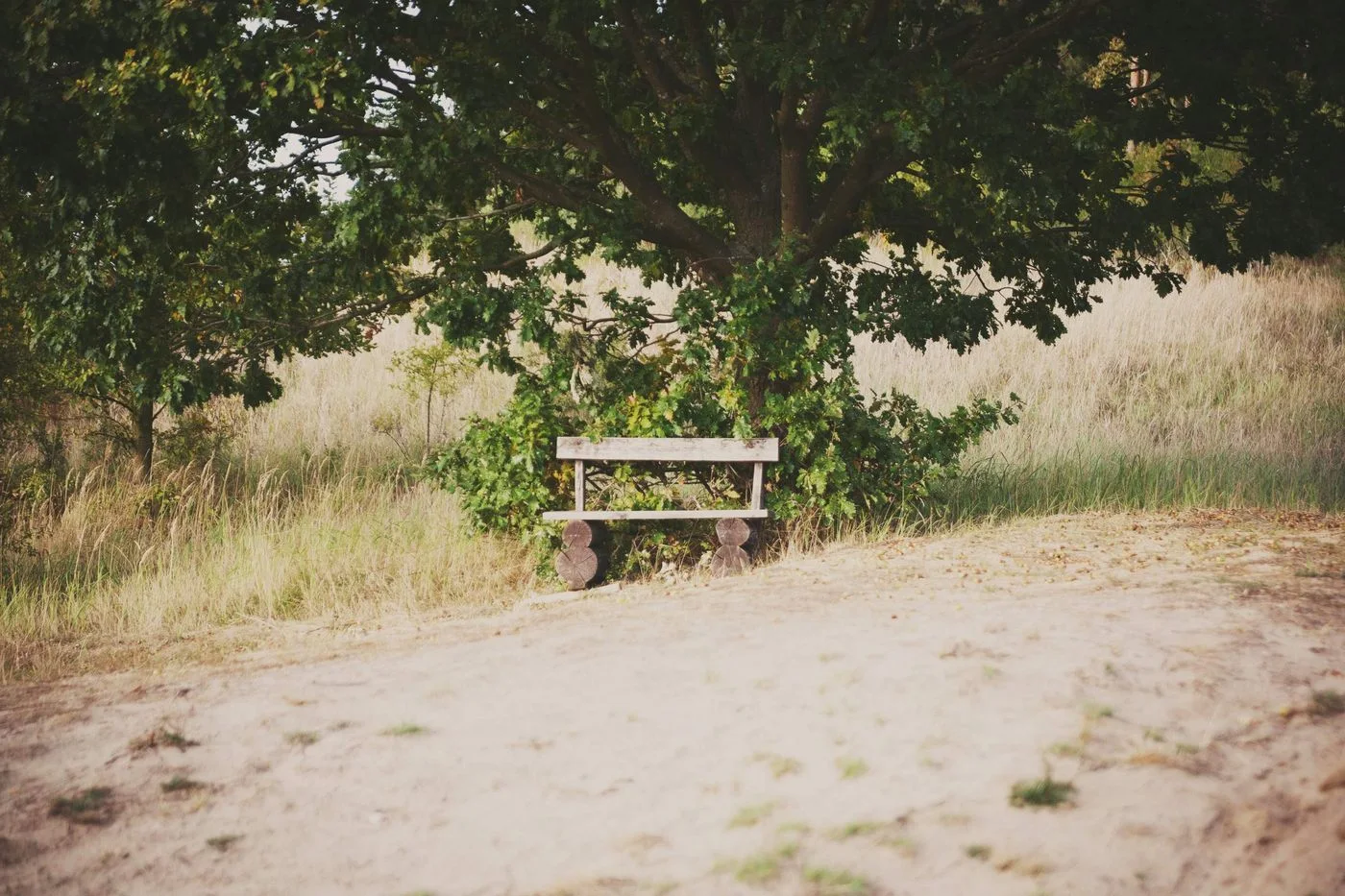
Shaded stopping places can be widely separated on a field loop. Examine long exposed sections alongside the forecast. An appealing distant rest point offers little help if it is not reached by an appropriate route or comes only near the finish.
Include the links between settlements and fields. The green part of a circuit may look pleasant while its opening requires a long roadside section. Check these transitions in full and look for a version that reaches the desired landscape without an unsuitable connection.
For a short outing, walking to a recognisable junction and returning can be simpler than a large loop through several unfamiliar links. The view changes on the return even when the path does not.
Leave room where work is taking place
Keep entrances and access routes clear when work is occurring on or beside the path. Choose a suitable designated area for a pause. A gate, yard entrance, or narrow strip beside a ditch is a poor meeting place even when nobody is immediately visible.
Follow current closures and notices. Seeing machinery in another field does not establish that a closed section is now available. Use a confirmed alternative instead of improvising between cultivated areas.
In a group, briefly agree where to wait if a narrow section is temporarily unsuitable. The answer should be a useful place rather than any available patch beside the track. The landscape can remain a workplace while the outing stays well organised.
Observe seasonal changes from the route
Fields change colour, height, and sightlines. A wide view in spring may be interrupted by taller growth later. That is a reason to revisit the same walk, rather than enter the field for a photograph. Patterns, edges, and work can be observed from the path.
When taking photographs, leave room to pass and respect people working nearby. An interesting subject does not justify entering uncertain ground or blocking an access point. A small, well-planned field walk provides plenty to observe without treating the surroundings as a stage set.