Look beyond rain during the walk
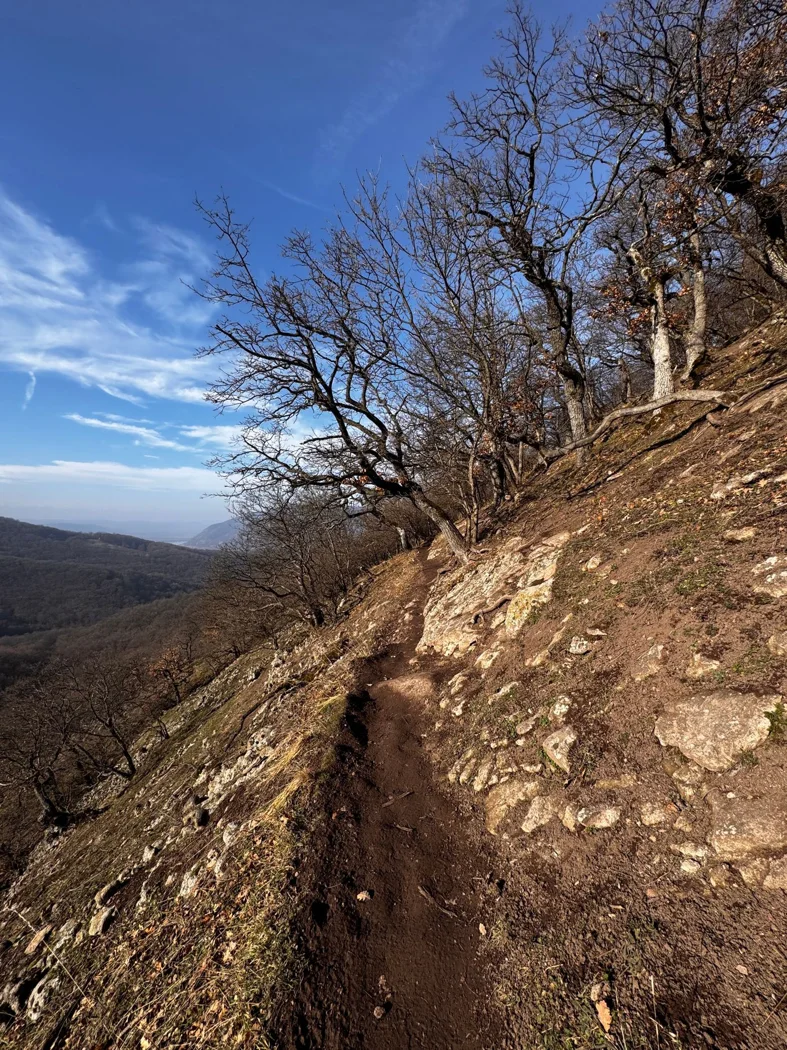
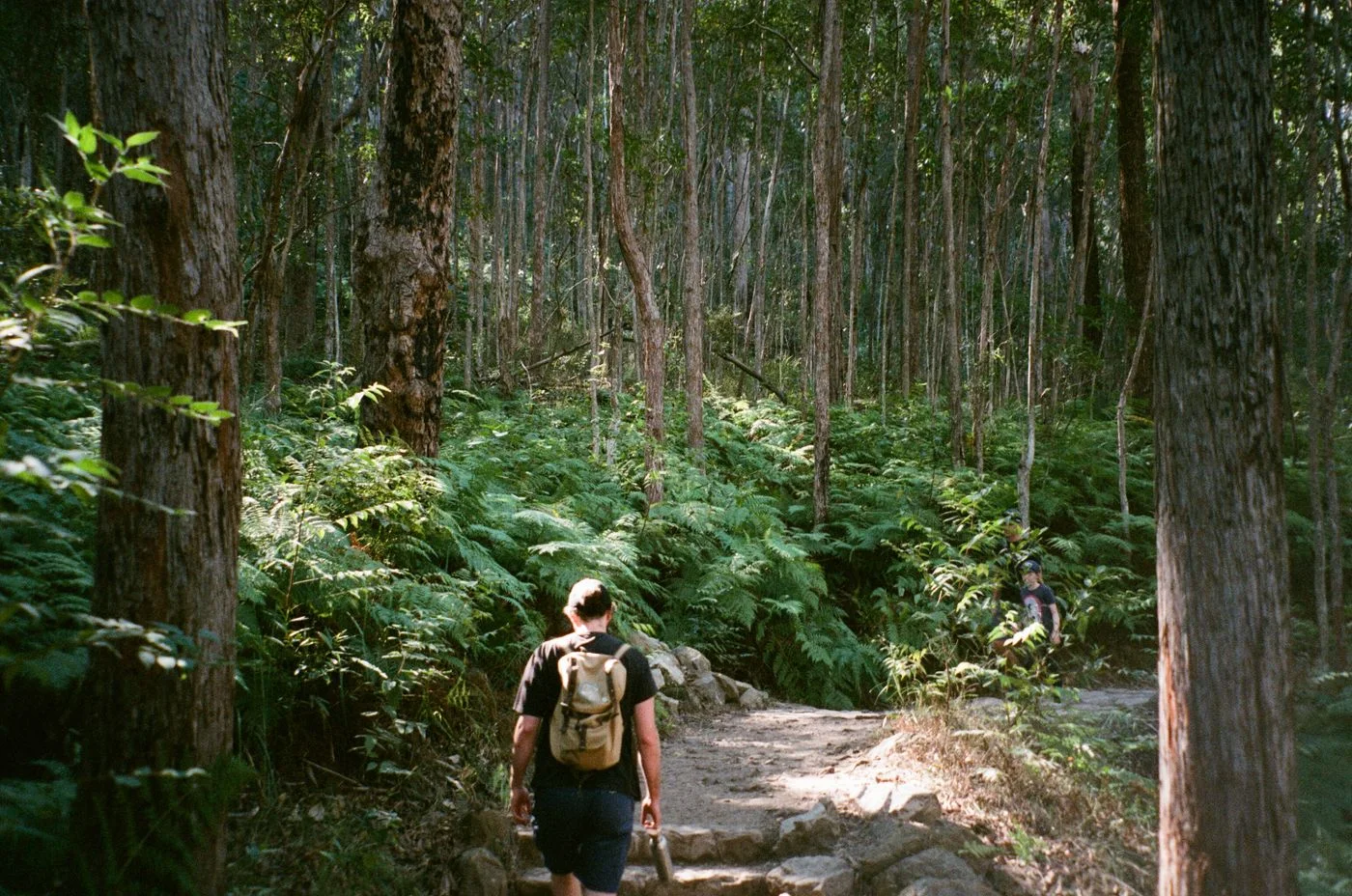
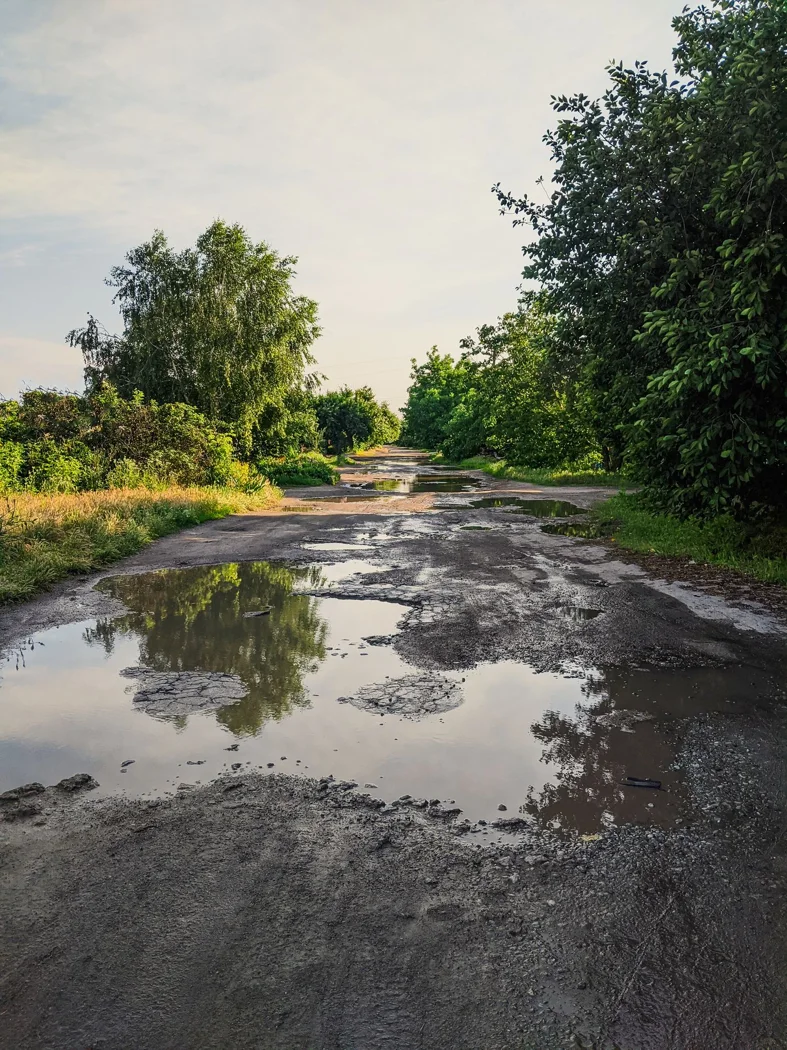
A dry starting time does not establish dry ground. Consider the preceding days and look for recent information about the route. This is particularly useful for a gentle day outing that includes meadow paths, narrow woodland tracks, or sections beside a stream. The forecast and the route description answer different questions.
Compare the walk with a surfaced alternative. You do not need to predict every puddle. Knowing whether almost the whole circuit uses natural ground or mainly follows broad tracks may be enough to make a useful choice. When recent information is limited, the latter can offer a more straightforward day.
Notice where the uncertain section occurs
A short wet section near the start is different from a long unsurfaced stretch late in a loop. Check whether a suitable return can still be chosen before that section. If the next link to the starting point lies several kilometres beyond it, the decision needs to be made earlier.
Look for current closures and information from the path manager. An old description calling the walk easy is not a report of today's ground. A broken or flooded route is no longer simply a question of how much mud you are willing to tolerate. Choose another path rather than inventing an unfamiliar detour around the interruption.
Take the group's expectations seriously too. Someone expecting a quiet walk on firm paths has not automatically agreed to a muddy trail. Describe the surface beforehand so the choice can be shared, rather than presented as an unavoidable surprise after everyone has travelled.
Avoid making a wet patch progressively wider
Stay on the intended route where it remains open and suitable. Existing tracks around a puddle are not a good reason to move farther and farther into the vegetation. If the section seems inappropriate without leaving the path, return to a known junction or finish the outing sooner.
Allow more time without treating the allowance as an obligation to continue. Slower ground can affect transport and daylight. Reconsider those consequences at a recognisable point while the remaining return is still manageable.
It helps to decide before departure what the alternative is for. A paved village loop can provide a pleasant outing after wet weather without trying to imitate a woodland hike. Selecting it does not require proving that every part of the original route would have been impassable.
Afterwards, keep a specific note: which section was wet, what the recent weather had been, and which alternative might have worked. Avoid turning one visit into a permanent verdict on the entire trail. The observation belongs to particular conditions and becomes useful again when read alongside new information.