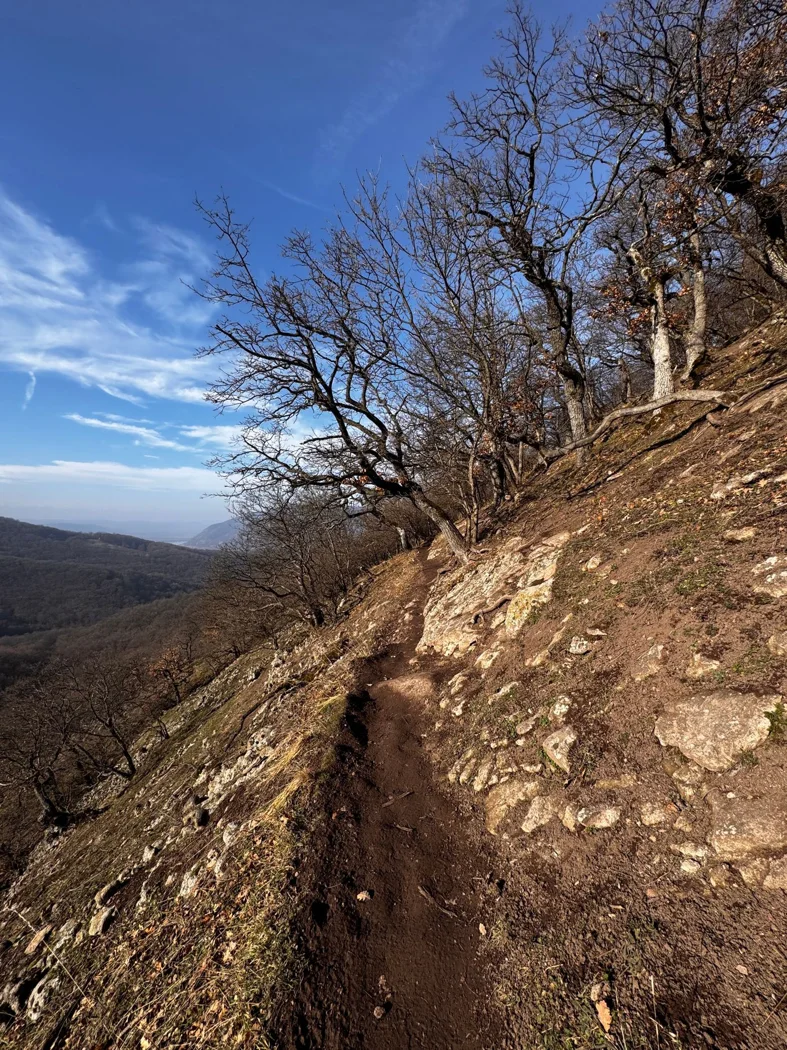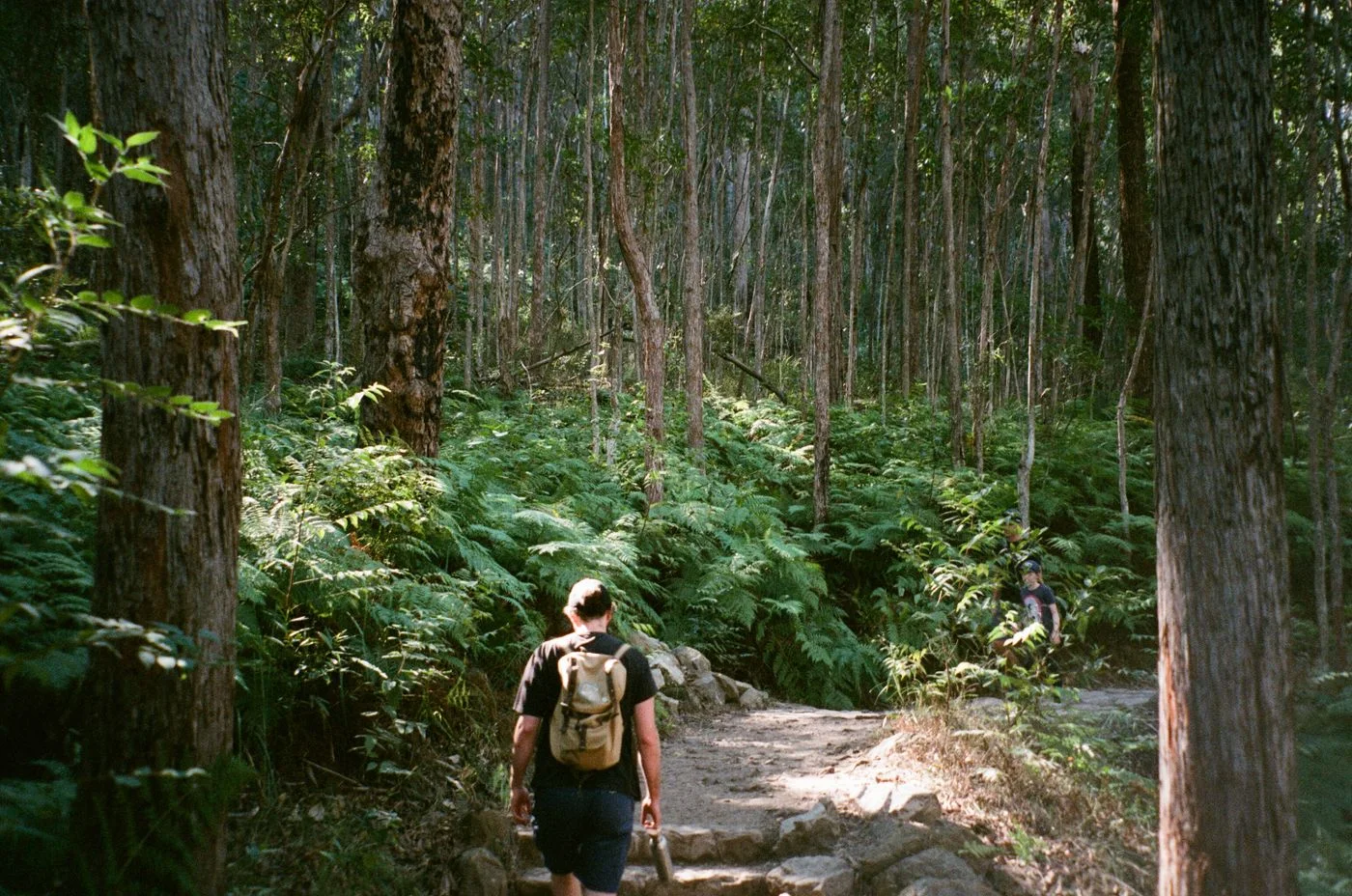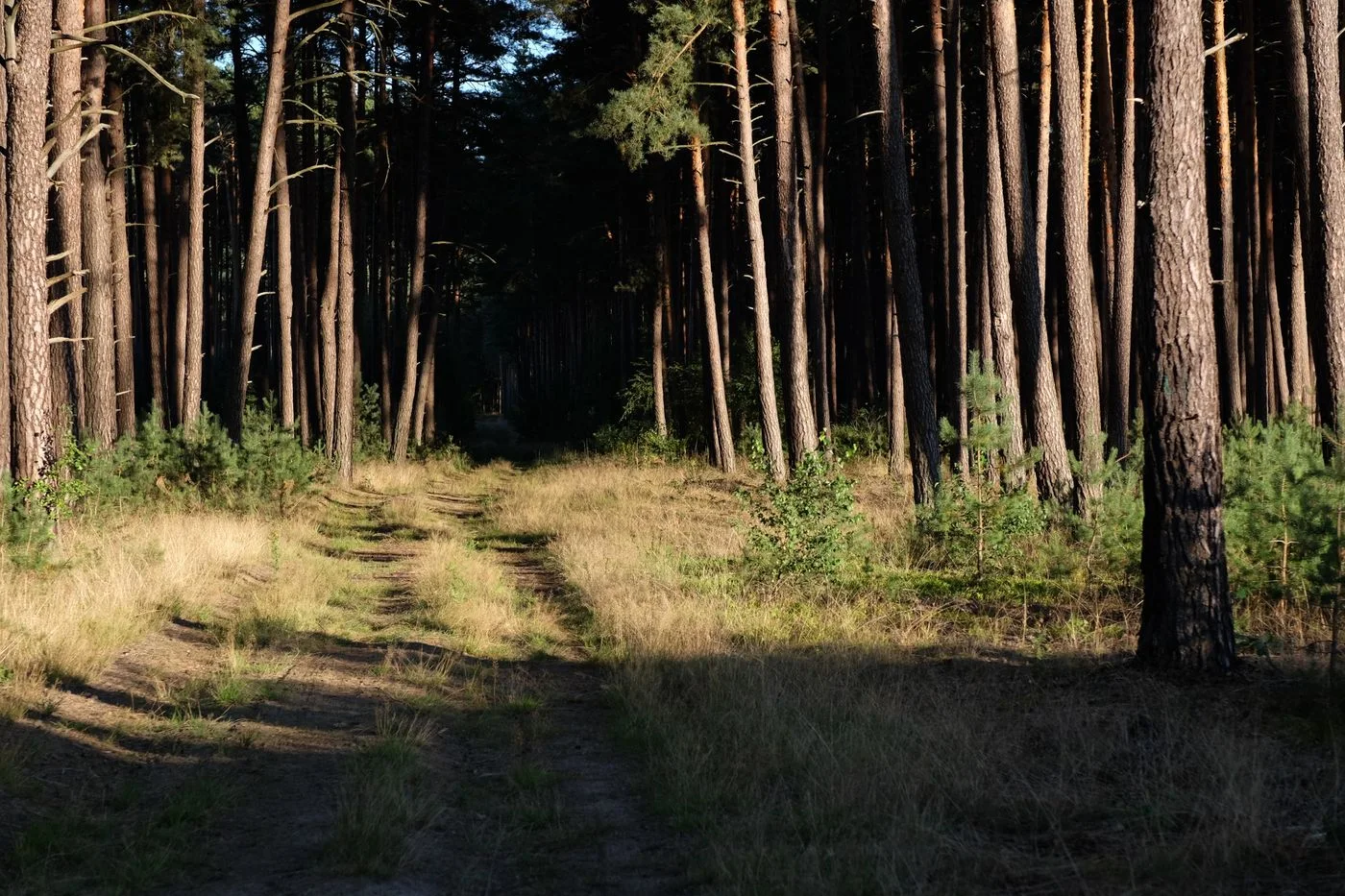
Begin with a daylight return
Find sunrise and sunset times for the place and date, then choose a walk that fits within the available daylight. Do not rely on how the same afternoon felt last month. If you cannot begin until later in the day, the appropriate route may be shorter than the one you would choose in midsummer.
Put the planned finish comfortably before the end of that window. There is no single margin that suits every route. An unfamiliar loop with many junctions needs more decision room than a short park path you know well. The allowance should be visible in the plan, rather than depend on walking the final section unusually quickly.
Know what the last section actually includes
A published route may finish at a car park while your journey still includes a walk to the station. Add that section. If the return follows a woodland path, check whether a shorter suitable link can be chosen earlier. An extra viewpoint near the end may be better saved for another visit when daylight is limited.
Sunset does not mean that every path looks equally bright beforehand. Dense woodland and tall buildings can create shade earlier. Where possible, place the simpler, familiar section toward the end. That does not replace a time allowance, but it makes the return easier to assess.
Carrying a light should not quietly change the nature of the plan. If the intention is a daylight outing, returning in daylight remains the aim. Extra equipment is not a reason to stretch the available hours to their limit.
Reconsider the remaining time while walking
Choose a clear place to make the return decision. Compare the remaining distance with the time the walk has actually taken so far. If longer pauses or slower ground have changed the schedule, use the prepared shorter option before its junction is behind you.
For an out-and-back walk, direction matters too. A quick descent at the beginning is not a useful time estimate for climbing the same section later. Do not base the turnaround solely on using half the available hours. Consider what the return requires.
Agree on the same boundary when walking with others. A person who expected a short daylight loop may not welcome a late extension simply because another member feels confident about it. An agreed return gives the group a clear basis for choosing the shorter branch without a debate about who is most enthusiastic.
A short day can still contain a complete outing. A well-chosen stretch of woodland, a pause, and an unhurried return do not require maximum mileage. The daylight boundary simply makes the actual size of the available day visible.