Let the note answer a future question
A complete trip report is unnecessary after a walk. Ask what you would want to know before returning. Perhaps the station link was longer than expected, the main pause belonged elsewhere, or the field section offered less than the woodland before it. These details change the next choice. A general description such as lovely or tiring explains little.
Record easily confused details while they are fresh. A junction name or bridge location is easier to describe the same day. Three clear sentences can be more useful than a long account reconstructed from photographs weeks afterwards.
Separate the parts of the day
Distinguish the whole outing from movement along the path. If the group stayed longer in a village, the route's walking time was not necessarily estimated badly. Give the visit its own place in the note. Next time there is then no need to change walking pace when the real requirement is more time for the stop.
Travel may deserve an observation too: the useful station exit, a clear meeting place, or an awkwardly tight connection. Keep what affected the day. A list of every departure becomes outdated faster than the observation that a change allowed little room.
For example: reaching the advertised start took longer than expected; the village pause was worth keeping; the extra field loop could be omitted on a short afternoon. Three concrete changes are visible without calculating an average speed.
Separate an observation from a permanent property
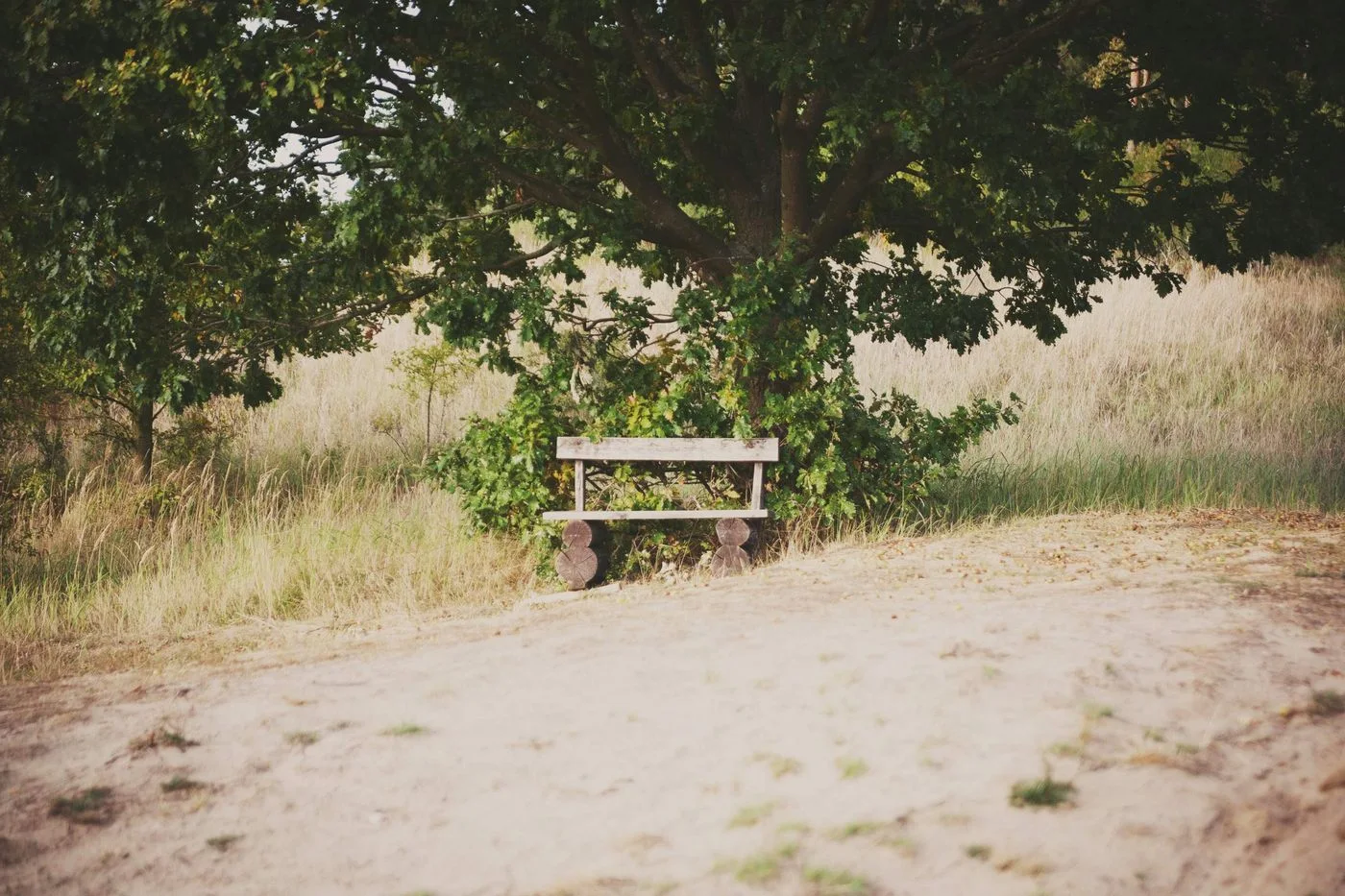
Attach path-condition notes to their date and circumstances. Mud after several rainy days describes that visit. It does not mean the route is always muddy. An empty bench likewise does not establish that the same stop will be available next time.
If a closure was present, record the section and the responsible information source. The next outing needs a fresh check. The older observation helps you look in the right place but cannot establish the current situation.
Store the note with the correct route. Several almost identical saved versions can otherwise leave a useful change attached to the wrong line. A distinct name and date are often enough. The collection should make decisions easier rather than create another planning task.