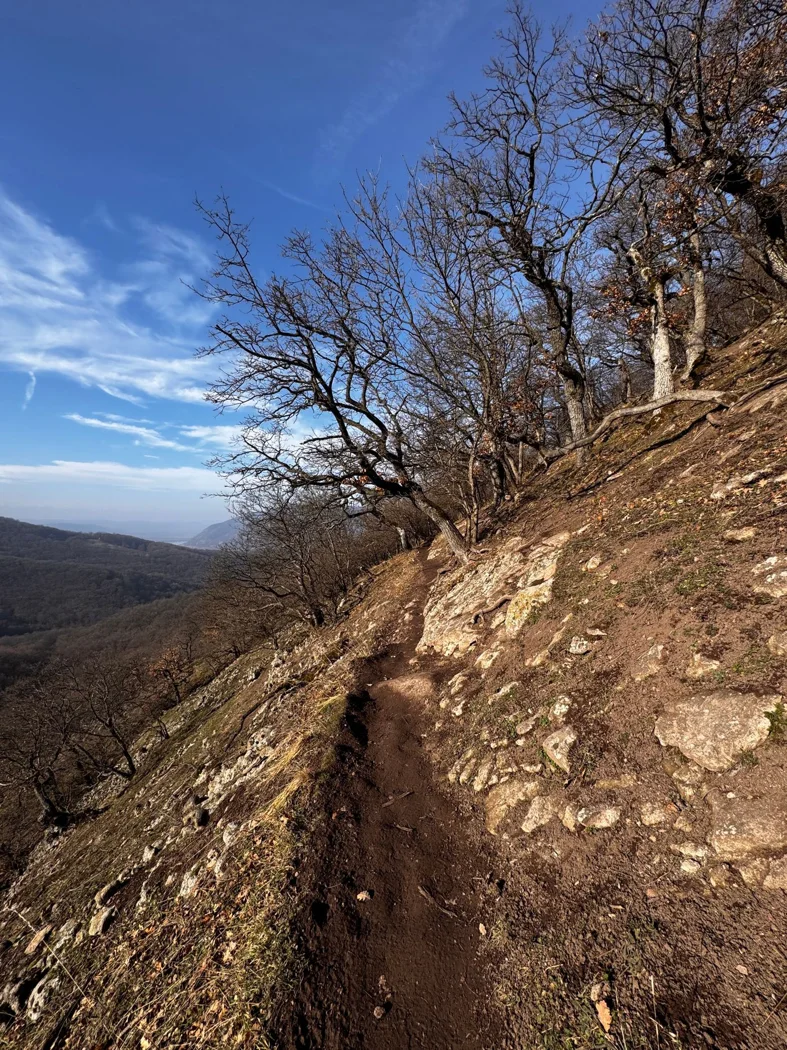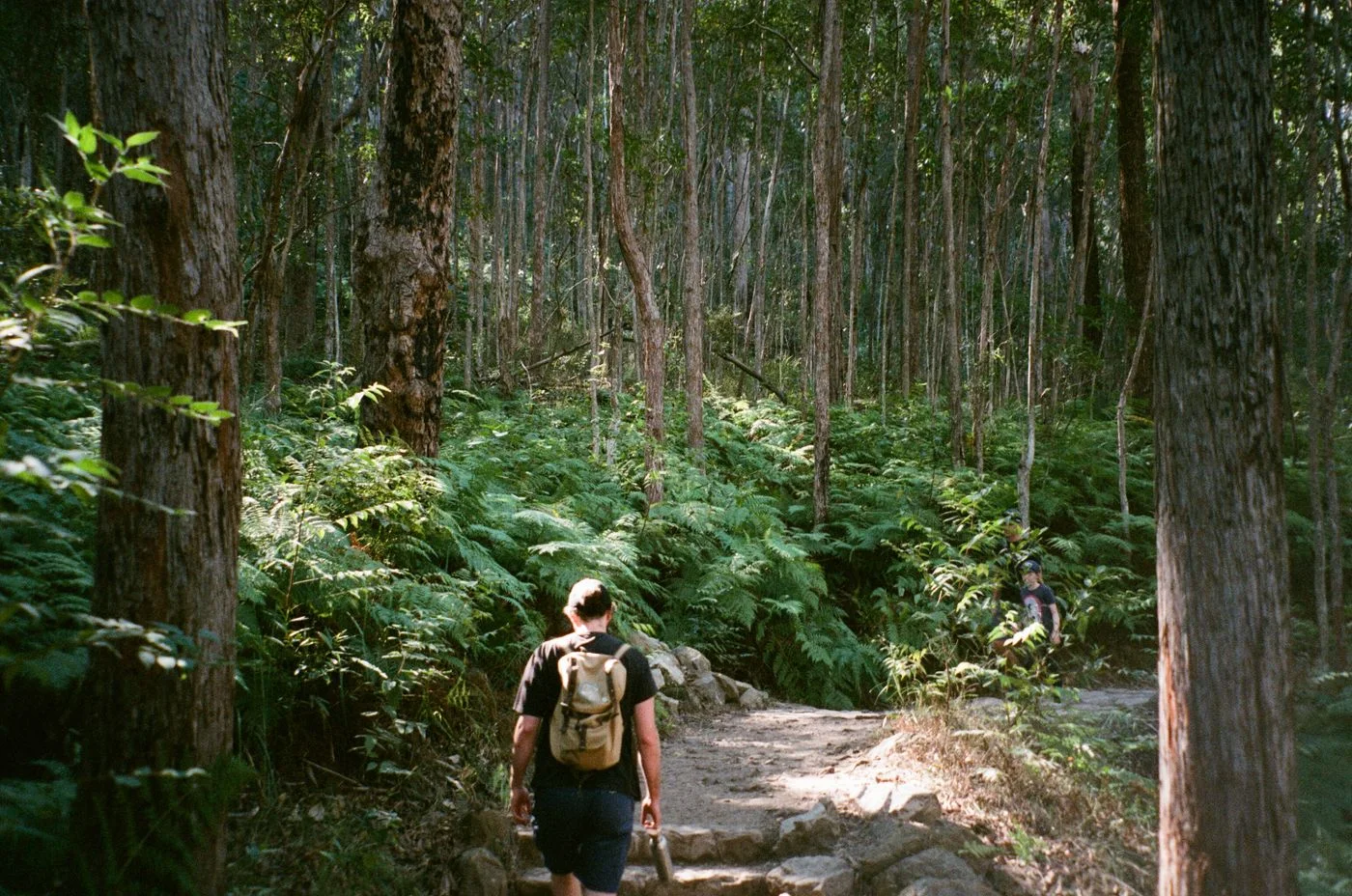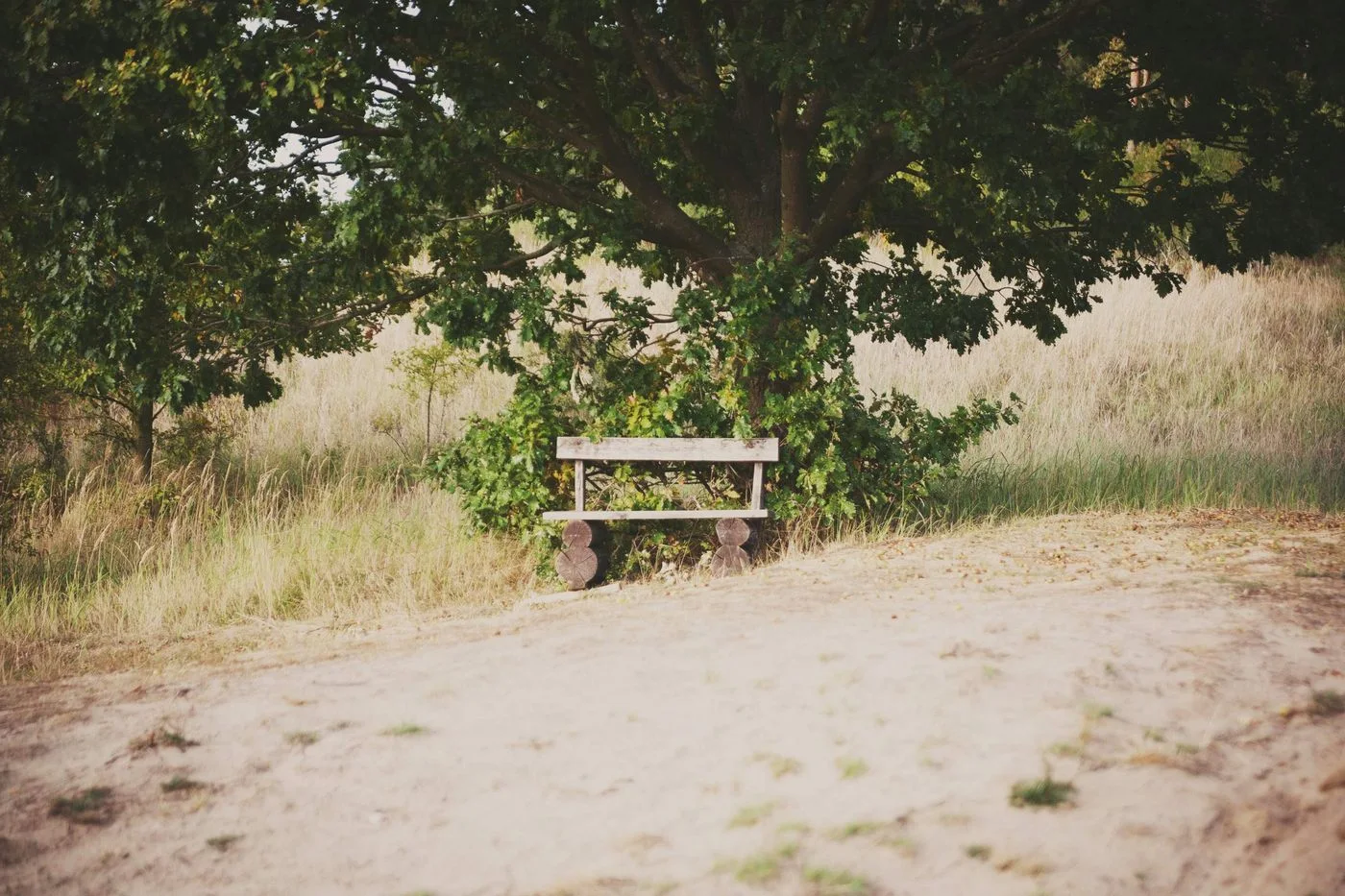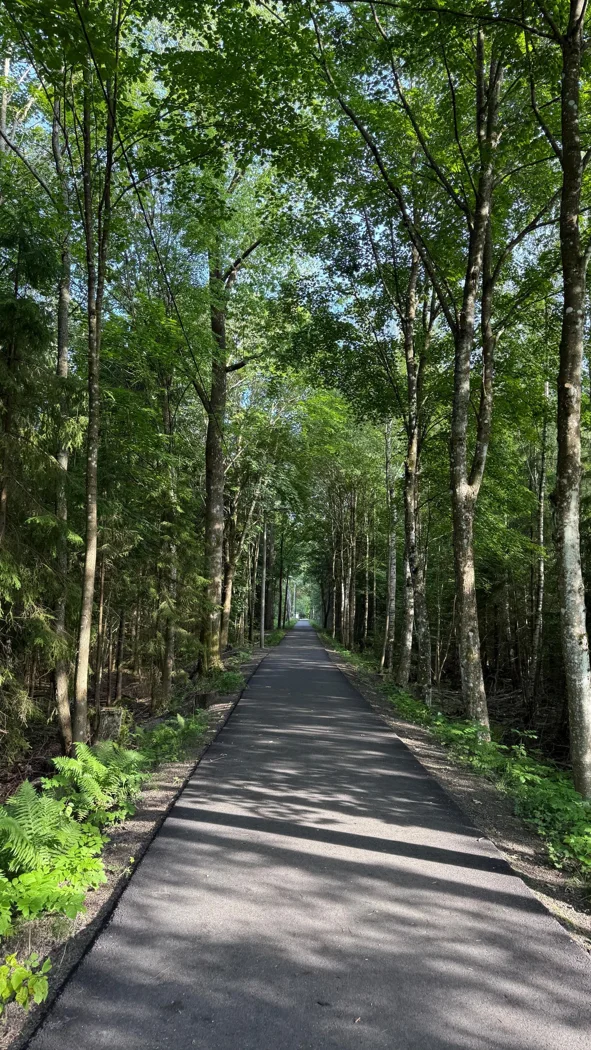
A green area on a map does not automatically make a walk shady. A broad forestry track may remain open to the sky, while a small park path beneath mature trees feels more sheltered. Look at the actual line of the path, rather than just the proportion of woodland. On a warm day, a short route you can assess may work better than a large circuit whose shaded sections arrive late.
Find the open links
Identify the transitions between wooded sections. Field paths, open slopes, wide roads, and the walk from the station can form a substantial part of the outing. A route description may show only its attractive woodland stretch, but the start, return, and connecting sections belong to the same day.
Compare alternatives by their longest open section. A route with more woodland overall may still contain a long stretch without a straightforward return. A smaller circuit that regularly approaches a settlement or stop is easier to adjust. Do not allow a label such as forest walk to decide the matter.
Recent photographs can help, but they are not a guarantee. Trees may have been removed, a young plantation may offer little cover, and the trail may be wider than the image suggests. If shade is essential to the choice and the information remains uncertain, use a familiar alternative.
Match the sequence to the time of day
The German Alpine Club identifies early starts and slope aspect among warm-weather planning considerations. For an ordinary day walk, the useful question is simple: when will the open or more demanding section occur? Connect that section with its likely timing instead of describing the entire route as cool.
Reversing a loop may move an exposed stretch earlier. That works only if the route and the rest of the day also make sense in that direction. A transport connection, a stop, or a steeper section can change the choice. Do not reverse the circuit solely because one detail appears favourable.
Choose a pause location you can identify without assuming that a particular bench will be free or a café open. A nearby alternative makes the plan less dependent on one spot. Ideally, the first useful opportunity should not arrive only after the longest open section.
Less distance may be the useful adjustment
Keep a short main route and remove extra side trips first. This preserves the main reason for going without requiring every available hour to be spent outside. In a group, make clear that the extension is genuinely optional rather than an unavoidable part of the return.
Check the latest forecast and relevant warnings before setting out. Shade does not make every weather situation suitable for walking. In unfavourable conditions, choosing another day may be the appropriate option. A shaded map image cannot establish how a path will feel or what conditions will be encountered.
After a successful outing, note which sections were actually shaded at the time you visited. That specific observation is more useful for a similar future day than calling the whole route permanently shady. Seasonal leaf cover and a different time can change the experience, so keep the observation attached to its circumstances.