What do you want to do while walking?
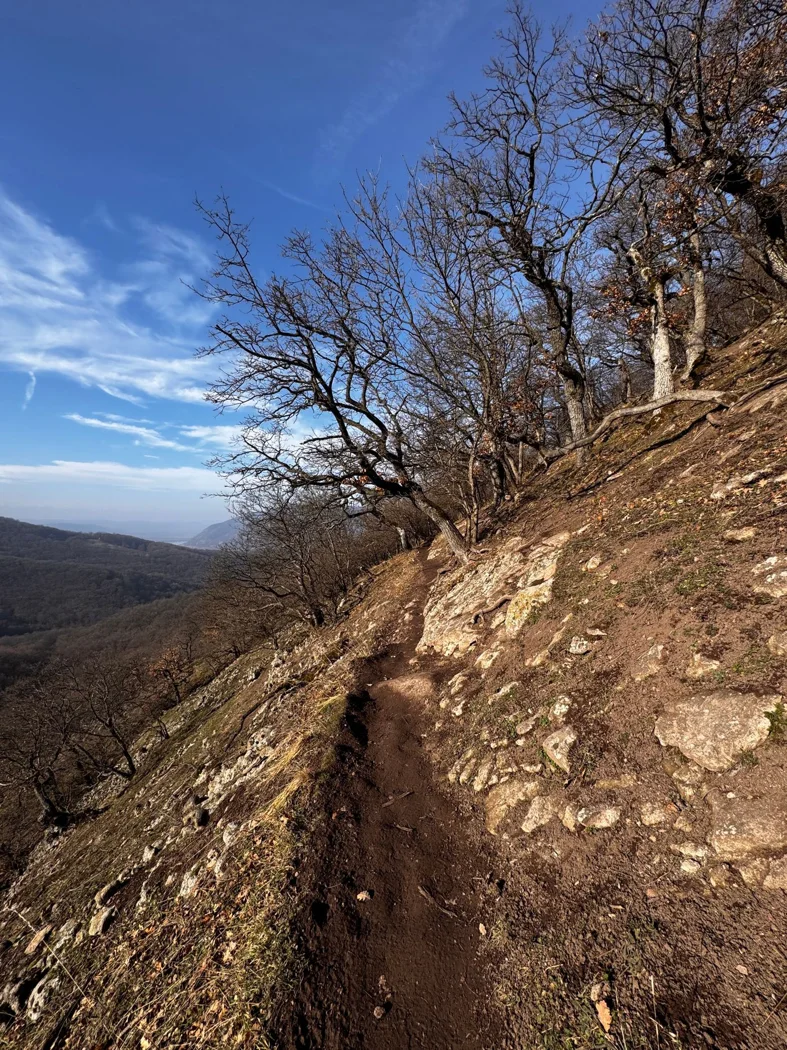
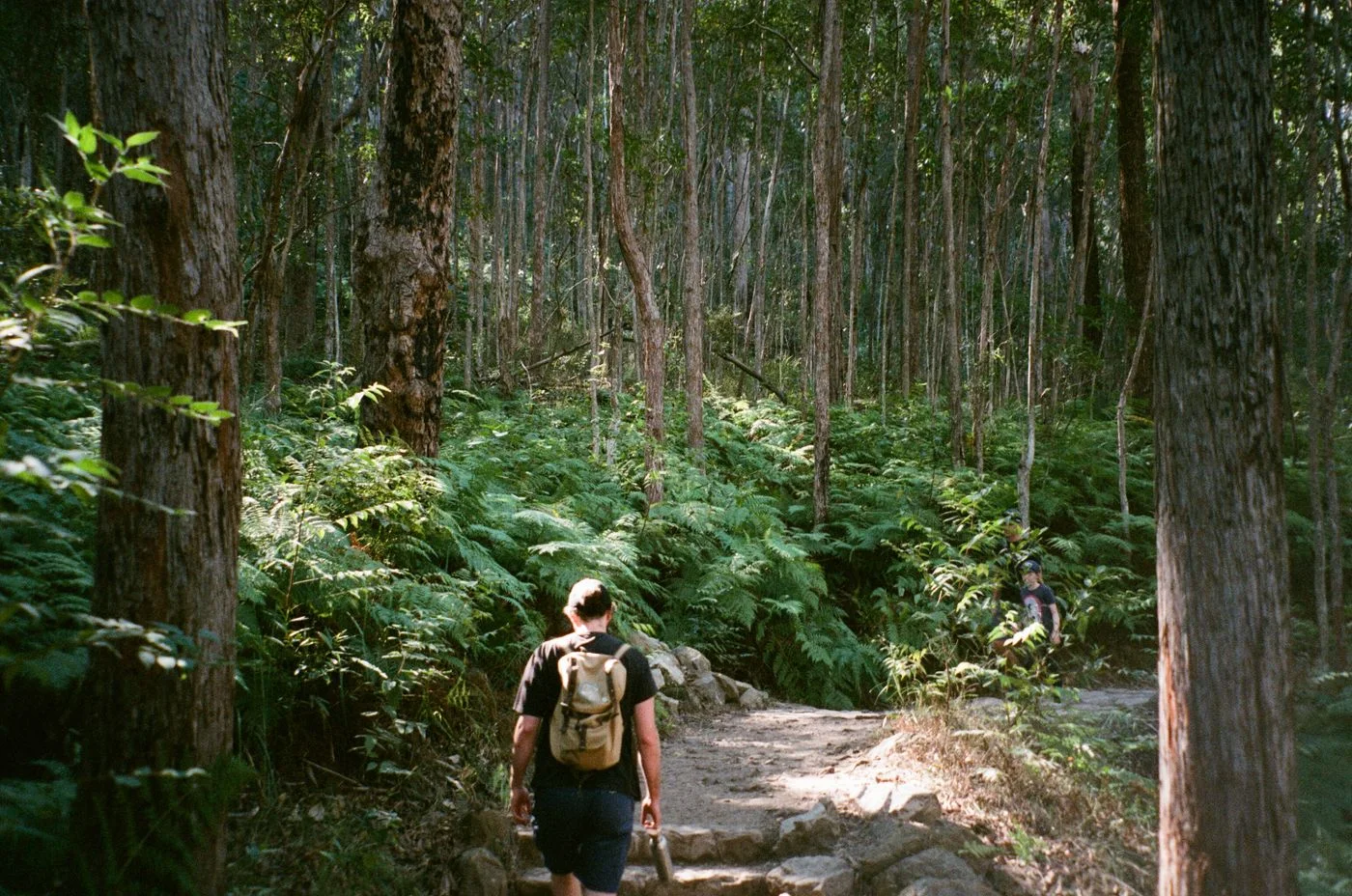
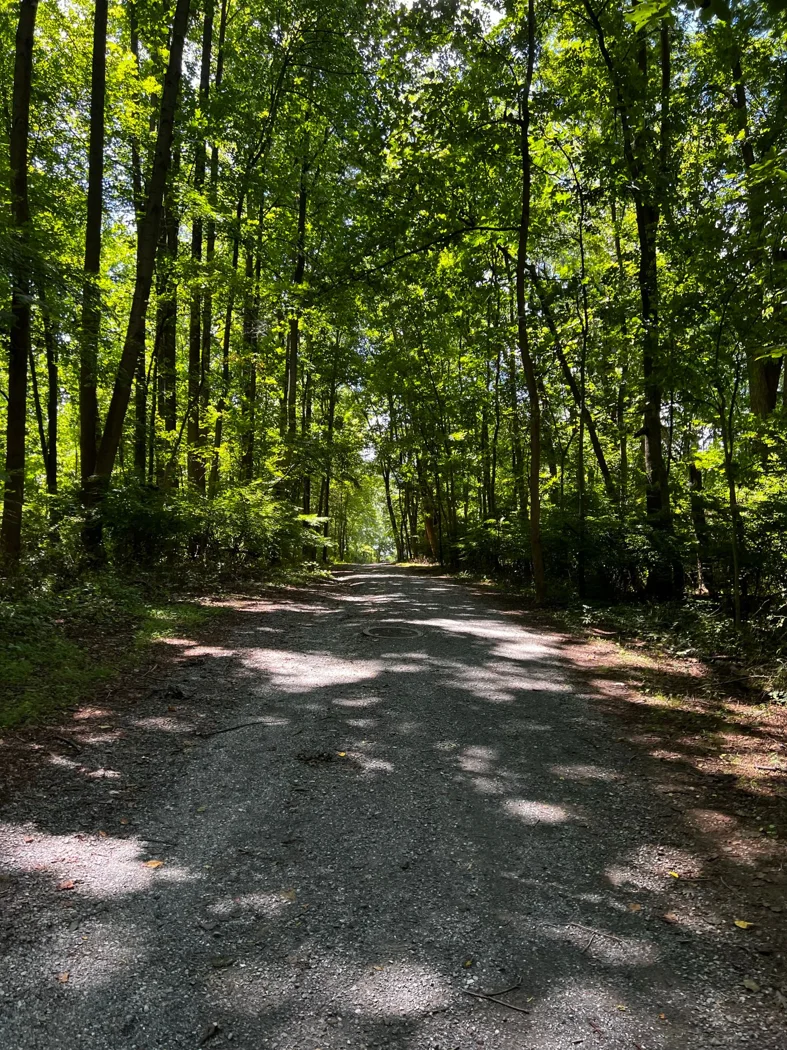
A broad woodland track gives room to walk together. A narrow path directs more attention toward the immediate ground and route. Either can suit a day outing. The choice becomes easier when you identify its purpose first: talking, observing the landscape, or learning an unfamiliar route. The path described as most natural is not necessarily the most appealing choice for every purpose.
For a larger group, broad sections may simplify the shared day. A narrow trail changes conversation and walking order more often. Examine the distribution of path types instead of selecting the whole outing for one attractive short section.
Separate width from surface
A broad track may consist of coarse gravel, while a narrow path may have a firm, even surface. Width does not fully describe the ground. Read descriptions and look at photographs showing the path itself, rather than only the view beside it.
Pay attention to transitions. A loop may begin on a forestry road and later enter a root-covered trail. If that final section does not fit the day, the pleasant opening does little to solve the problem. Find a confirmed alternative that remains on suitable paths.
Consider how the route is used. Forestry tracks can be working roads. Follow current notices, keep clear of ongoing work, and choose another route where sections are closed. A broad path is not permanently available under every condition.
Plan a mixture deliberately
A short narrow section can add interest when a broader stretch later restores room for a pause and conversation. Variety can therefore come from alternating sections. Describe that honestly in the invitation: mainly broad tracks with one short narrow passage says more than a general label such as forest walk.
If surface matters, check the entire alternative. A connection is not suitable merely because its beginning looks paved. Notice steps, openings, and later changes. For a quiet outing, a slightly longer familiar route may work better than a short unverified shortcut.
Afterwards, reflect on specific observations. Was walking side by side enjoyable? Was the gravel coarser than expected? Did the narrow stretch fit the rest of the day? Those answers describe preferences better than ranking forest roads against trails. The next choice can then follow the route's actual composition.