A date is not a condition report
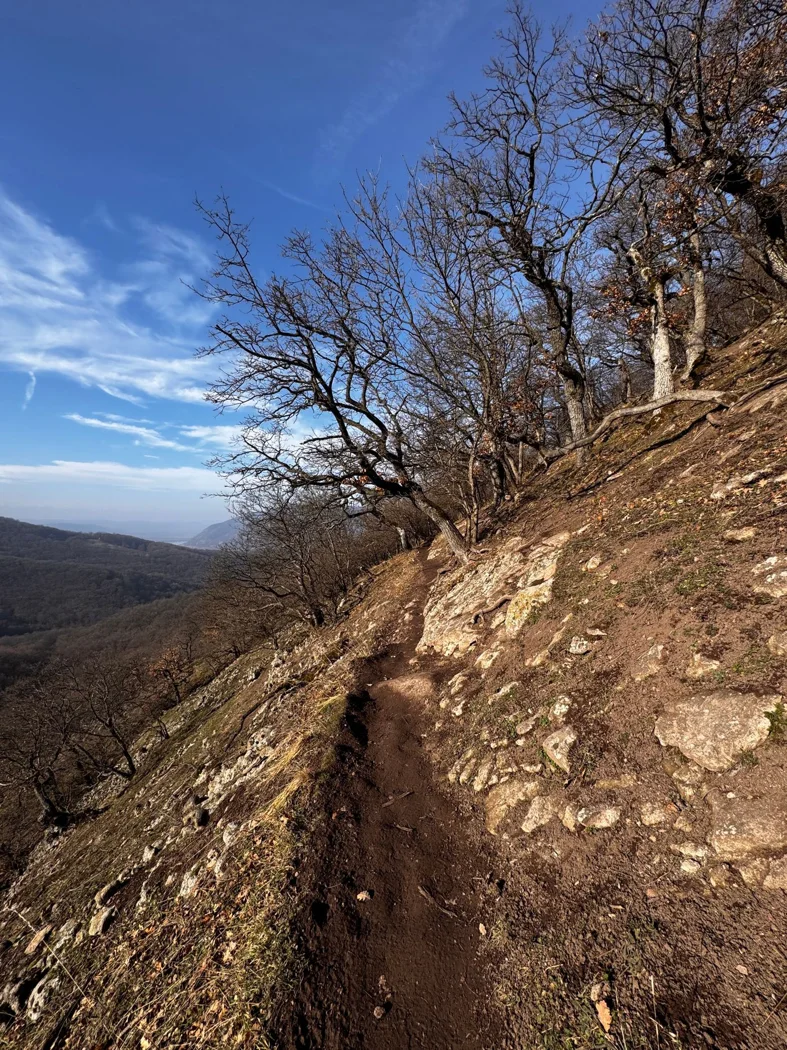
Spring trail, autumn hike, and winter loop are useful ideas, but they do not establish today's access or surface. A path photographed dry can look different after a wet week. Check recent information instead of treating the season as sufficient preparation.
Separate three questions for an ordinary day walk: what surface does the route normally use, what has recent weather changed, and are there current notices or closures? This sequence also helps select an alternative. A surfaced village path depends on different circumstances from a narrow meadow trail.
Notice changes within the route
A circuit may alternate between open and shaded sections whose conditions differ. The German Alpine Club's spring guidance identifies contrasts between sunny and shaded locations. For everyday paths, the useful lesson is to avoid extrapolating from an appealing opening section to the entire walk.
Give the less clear sections particular attention. Leaves can obscure the surface, grass can remain soft after rain, and a shaded stretch can differ from an open start. You do not need to predict every detail. Simply avoid building the plan around the most favourable-looking part of the route.
When conditions are unfamiliar, choose a shorter, clearly followed walk. Alternatives should be available without difficult improvised links. Snowy or icy mountain passages are not a casual extension of an ordinary walking outing.
Look for current information deliberately
Check the local path manager, nature park, or municipality for relevant notices. A dated update naming a specific section is more useful than a general rating. Trip reports can provide observations, but they do not replace present closure information.
Seasonal opening times matter if the day includes a café or visitor centre. A location can remain permanently mapped while operating only at certain times. Keep the pause flexible enough that a closed entrance does not determine the entire outing.
Continue comparing the plan with reality after setting out. If a section differs substantially from expectations, take a prepared alternative or return along a known path. The season is not a reason to continue through an unsuitable stretch.
Let change provide the interest
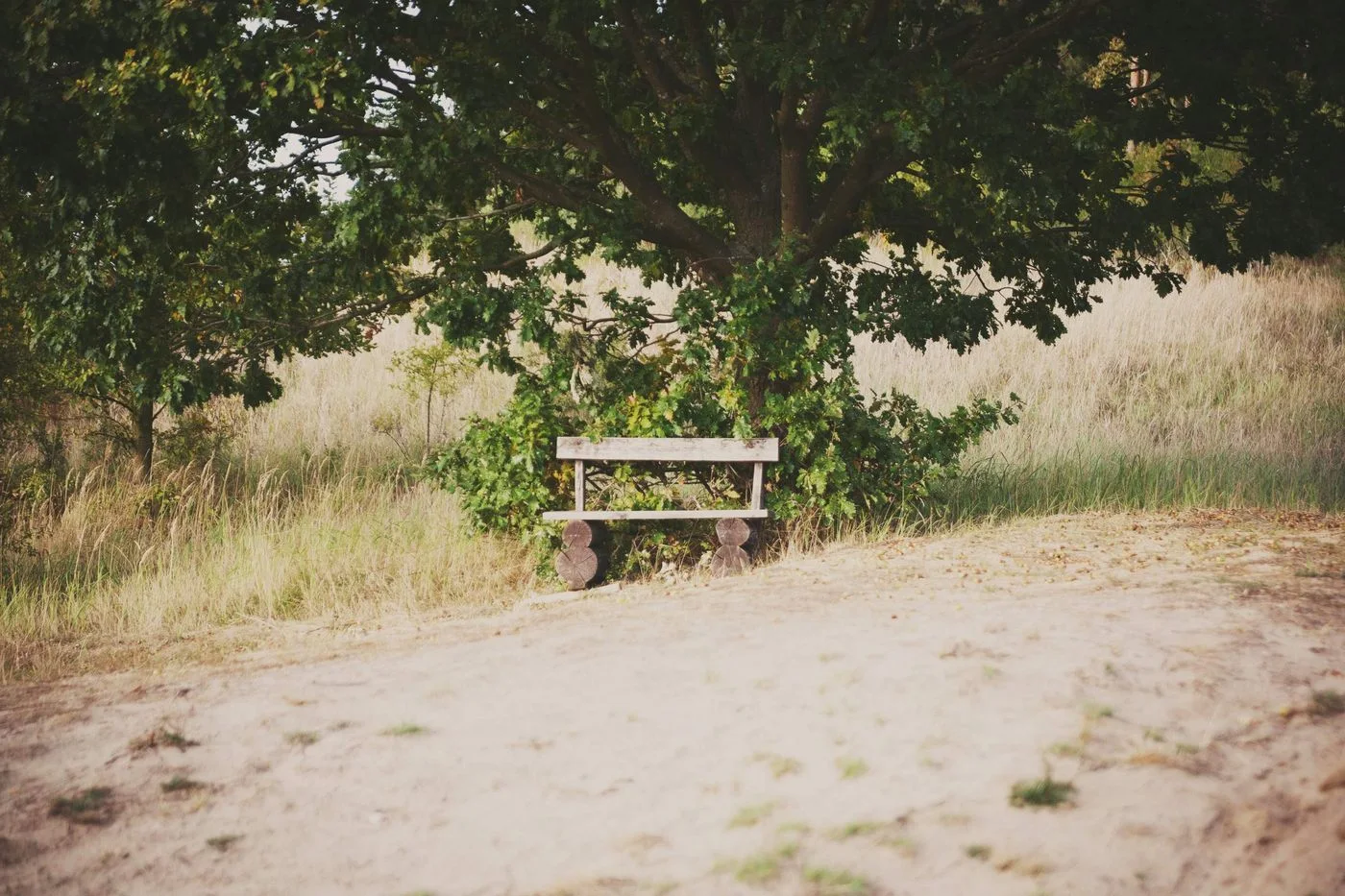
A familiar small loop may offer enough seasonal variation: different views between trees, a changed field edge, or a tree without leaves. A more distant destination is not necessary. The outing can retain its size while the landscape changes.
Keep observations attached to their date. You can then remember a particular visit without permanently labelling the whole route dry, muddy, or always straightforward. The next choice still begins with current conditions.