Learn the local marking system
Walking symbols do not look the same everywhere. The German Hiking Association notes that marking systems vary by region and individual signs can be missing. Learn the symbol for your chosen walk before starting. A familiar colour from another area should not silently acquire the same meaning here.
Save the route name or number alongside its symbol. This is particularly useful where several marked routes share a section. Three signs on one tree establish that several routes pass there; they do not yet explain which later branch belongs to your circuit.
Read the destinations before choosing a branch
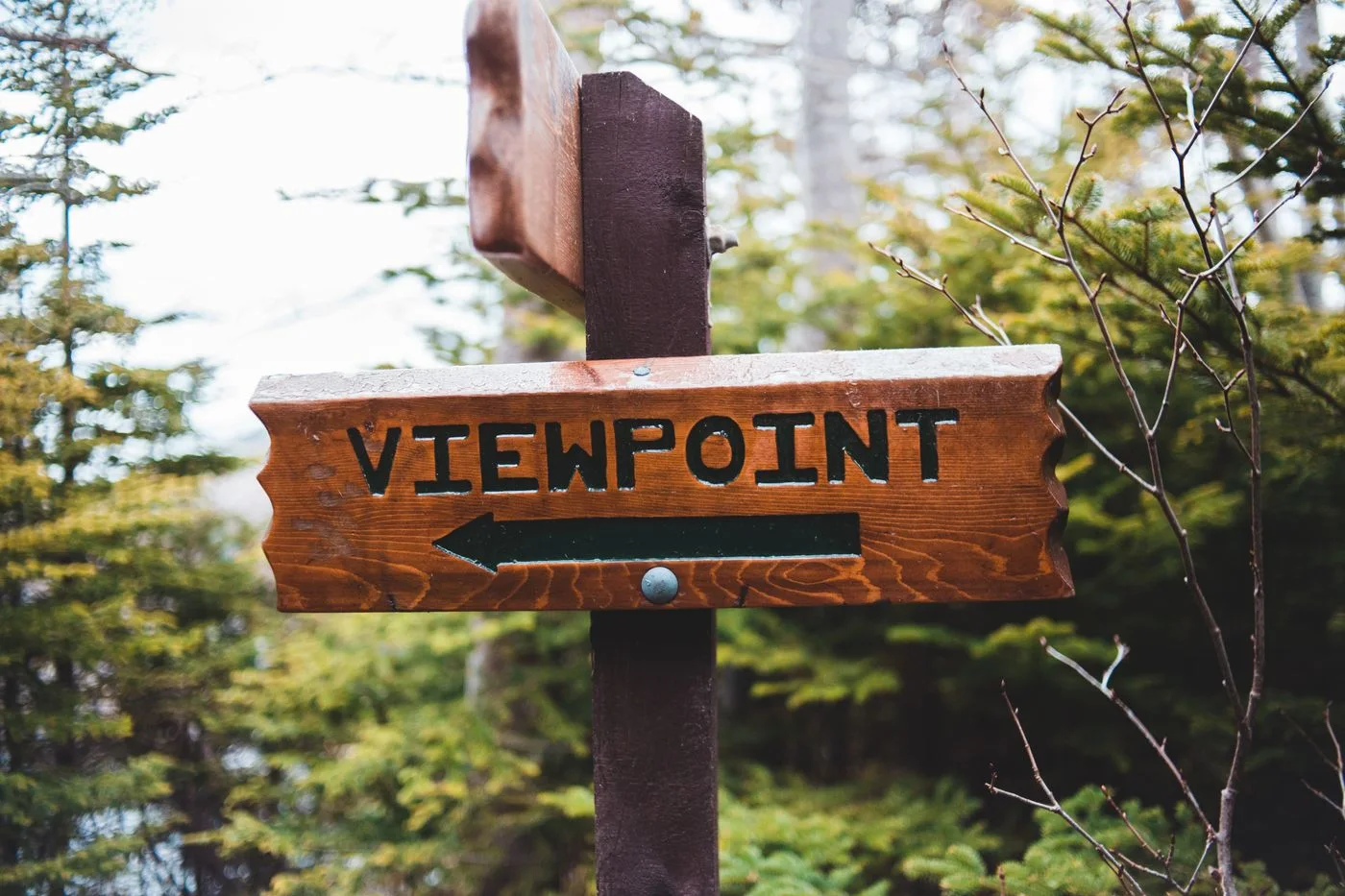
Pause in a suitable place and read the signpost before following a direction. Compare settlement names and intermediate destinations with your own route. The largest or most appealing label need not be the relevant one. A long-distance trail may initially head the same way and later diverge from a short loop.
Check which physical branch the arrow describes. Where paths begin close together, a sign can be ambiguous without a map comparison. Relate the map to recognisable features such as a bridge, stream, and woodland edge. The abstract arrow then becomes a decision that can be checked against the ground.
When walking together, wait until everyone understands the direction. Someone setting off early can accidentally turn a guess into a group decision. The short pause belongs to the outing and does not need to be compensated for by rushing afterwards.
Confirm the choice after turning
After a change of direction, notice whether the ground and path shape still fit the plan. Another marker may confirm the choice. Its absence alone does not prove that you are wrong, however. Compare several features rather than inventing a fixed rule about how many metres may pass between signs.
If uncertainty grows, stop again and return to the last clearly known place when needed. Do not keep going indefinitely in the hope of finding a symbol that eventually seems suitable. A destination on a sign is more useful when you already understand how it relates to your walk.
Current closures take precedence over a saved line. A marked route can still be temporarily unavailable. Read the whole notice and choose a confirmed diversion or an earlier return. Adding your own marks to trees or fences is neither necessary nor part of solving the problem.
Afterwards, a short note about a confusing junction can improve a future visit. Describe the place and the relevant destination rather than simply writing turn left. That instruction becomes meaningless if the route is approached from another direction.